




More Than Just a Meal
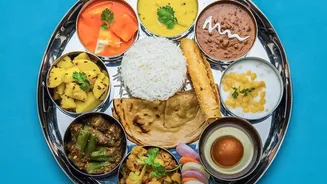
Not long ago, festival dining meant a special thali at a local restaurant. Today, the landscape is entirely different. Restaurants are curating immersive experiences that go beyond the food. For festivals like Onam, Durga Puja, or Diwali, chefs are acting
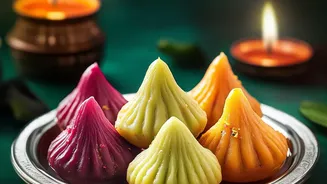
as cultural custodians, creating elaborate, multi-course menus that tell a story. For instance, Onam celebrations now see restaurants in Mumbai, Delhi, and Bengaluru offering sprawling Sadhya feasts with over 25 traditional dishes served on a banana leaf. These events are meticulously planned, often featuring traditional decor and an ambiance that transports diners straight to the heart of the celebration, creating a complete sensory experience. It's a move from merely serving food to crafting a memorable event that resonates with the spirit of the festival.
A Taste of Home for the Urban Dweller
The demand for these culinary events is driven by a significant social shift. In bustling urban centres, young professionals and nuclear families often find themselves with limited time and space to recreate the elaborate festive meals they grew up with. Restaurants have stepped in to fill this emotional and culinary gap. They offer a convenient way to connect with tradition and share it with loved ones without the stress of extensive preparation. Whether it's a meticulously prepared Onam Sadhya or a special Navratri thali with fasting-friendly grains, these meals provide a taste of home and a sense of community. For many, dining out during a festival is no longer a compromise but a new way to celebrate, blending the comfort of tradition with the convenience of modern life.
Beyond Festivals: Celebrating the Seasons
This trend isn't limited to religious festivals. Chefs and restaurateurs are finding inspiration in the cyclical rhythms of nature itself. The arrival of the monsoon, for example, now triggers a wave of creativity in kitchens across the country. Restaurants launch special monsoon menus featuring comforting dishes like spiced ramen bowls, cheese fondue, and creative takes on pakoras and chai. Similarly, the mango season is celebrated with dedicated menus where the fruit is the star, appearing in everything from savoury curries to inventive desserts. These seasonal menus allow chefs to showcase the freshest local produce while offering diners something new and exciting. It’s a smart way to keep menus dynamic and tap into the shared mood of the season.
A Win-Win for Heritage and Business
From a business perspective, these seasonal events are a powerful tool. They drive footfall during specific periods, create buzz on social media, and allow establishments to showcase their culinary prowess. A special festival menu can attract new customers and give regulars a compelling reason to return. But the benefits run deeper than just commerce. In their quest for authenticity, many chefs are researching and reviving lost or forgotten regional recipes. They consult with home cooks and culinary historians to ensure their festival menus are genuine. This process turns restaurants into living archives of India’s diverse culinary heritage, preserving traditions one plate at a time. The result is a vibrant dining scene where chefs are not just cooks, but storytellers and cultural ambassadors.