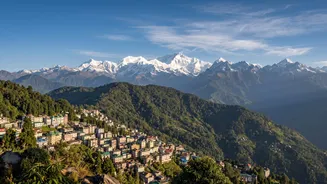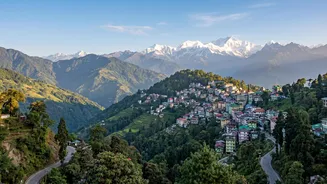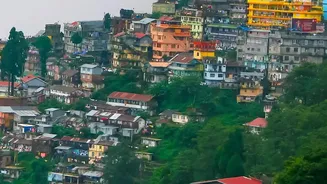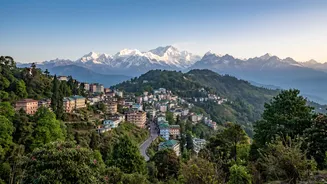






The Internet: Mountain Views vs. Buffer Wheels
Let’s start with the deal-breaker: internet. The good news is that Gangtok is surprisingly well-connected. Both Jio and Airtel 4G/5G services are strong in the main city areas, providing enough speed for video calls, streaming, and large file transfers.
However, consistency can be a challenge. Weather, especially during the monsoon season, can cause fluctuations. While many hotels and homestays offer Wi-Fi, it’s wise to have a mobile hotspot as a backup. For those needing guaranteed stability, Gangtok now has dedicated coworking spaces. Sanctorum Coworking, for example, offers fibre optic internet, a rarity that provides peace of mind for deadline-driven work. A monthly pass there can be a sound investment for serious remote work.
Your Office with a View: Cafes & Coworking
Beyond a home setup, Gangtok's café culture is a huge plus for remote workers. Places along the iconic, pedestrian-only MG Marg like The Coffee Shop and Bakers Cafe are popular spots. For a quieter vibe, book-filled cafes like Cafe Fiction offer a cosy corner to work from. Many cafes are accustomed to laptop-wielding patrons and offer decent Wi-Fi, though it's always polite to keep ordering. The coworking scene is also growing. Besides Sanctorum, which provides hot desks, meeting rooms, and even a podcast studio, other providers like MyBranch are establishing a presence. These spaces offer a more structured work environment and a chance to connect with other professionals, with monthly rates starting from around ₹6,000.
The Cost of Himalayan Living
Compared to metropolitan hubs like Delhi or Mumbai, Gangtok is significantly more affordable. A single person can live comfortably on a monthly budget that is a fraction of the cost in a big city. A 1BHK apartment in a decent area like Arithang or Tadong can be rented for ₹10,000–₹15,000 per month. Monthly groceries for one person might cost around ₹7,000–₹8,000, while a meal at an inexpensive local restaurant is very budget-friendly. Transport mainly consists of shared taxis, which are economical for getting around the hilly terrain. While some things are more expensive due to the location, the overall cost of living allows for a high quality of life on a modest budget, especially for those earning a city-level salary.
Finding Your Tribe in the Hills
The social scene in Gangtok is what you make of it. It’s a city with a gentle, unhurried pace. The community is a mix of locals, long-stay tourists, and a small but growing number of remote workers. Unlike a major digital nomad hub, you won’t find large, organized meetups every night. Instead, connections are often made more organically—at a coworking space, a local café, or through shared interests like hiking and music. The locals are generally welcoming and friendly. The city is also very safe, with a nightlife that is lively but tends to end early. It's a place best suited for those who are self-reliant and enjoy a quieter social life centered on nature and meaningful connections rather than constant parties.
When the Laptop Closes: Exploring Gangtok
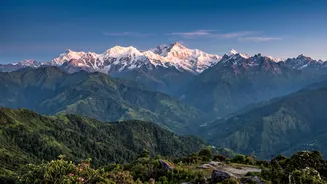
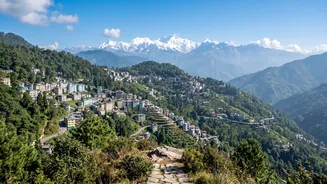
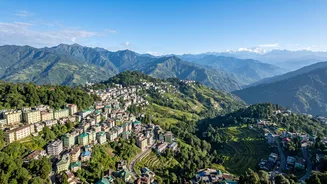
The biggest reward of working from Gangtok is what lies beyond your screen. The city is a gateway to the incredible beauty of the Himalayas. On weekends, you can take a trip to the stunning Tsomgo Lake or the historic Nathu La Pass. Within the city itself, you can explore numerous monasteries like Rumtek and Enchey, take a cable car ride for panoramic views, or simply stroll down MG Marg. For adventure lovers, there are countless trekking and hiking opportunities. The local food scene is another highlight, with chances to try authentic Sikkimese, Tibetan, and Nepalese cuisine at places like Nimtho. This easy access to nature and culture is what truly sets Gangtok apart as a remote work destination.