

A New Frontier on the Moon
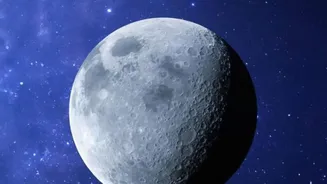
For decades, the Moon was seen as a dry, barren world. But recent discoveries, including crucial data from India’s Chandrayaan missions, have changed everything. We now know that the lunar south pole contains significant deposits of water ice, locked
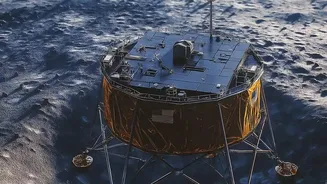
away in craters that haven't seen sunlight in billions of years. This has made the south pole the most coveted real estate in the solar system. The presence of water is a game-changer for future space exploration. It can be used for drinking water, to create breathable oxygen, and to produce rocket fuel. This potential has ignited a new space race, with nations and private companies alike planning robotic and crewed missions to explore and potentially exploit these resources. The success of Chandrayaan-3, which made India the first country to soft-land near this region, has placed the nation at the forefront of this new lunar age.
The Golden Rule of Space Exploration
When exploring other worlds, space agencies follow a principle called 'planetary protection'. Guided by the international Committee on Space Research (COSPAR), the goal is twofold: prevent contaminating other celestial bodies with life from Earth (forward contamination) and ensure that nothing extra-terrestrial is brought back to harm our own planet (backward contamination). Historically, the Moon was considered a low-risk environment. Its surface is bombarded by harsh ultraviolet radiation and experiences extreme temperature swings, which were thought to be lethal to any stray microbe from Earth. As a result, missions to the Moon have not required the stringent, costly sterilisation procedures mandated for missions to places like Mars, which is considered to have a higher potential for harbouring life.
Why the South Pole is Different
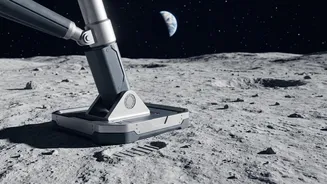
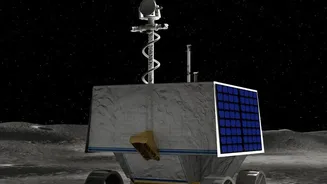
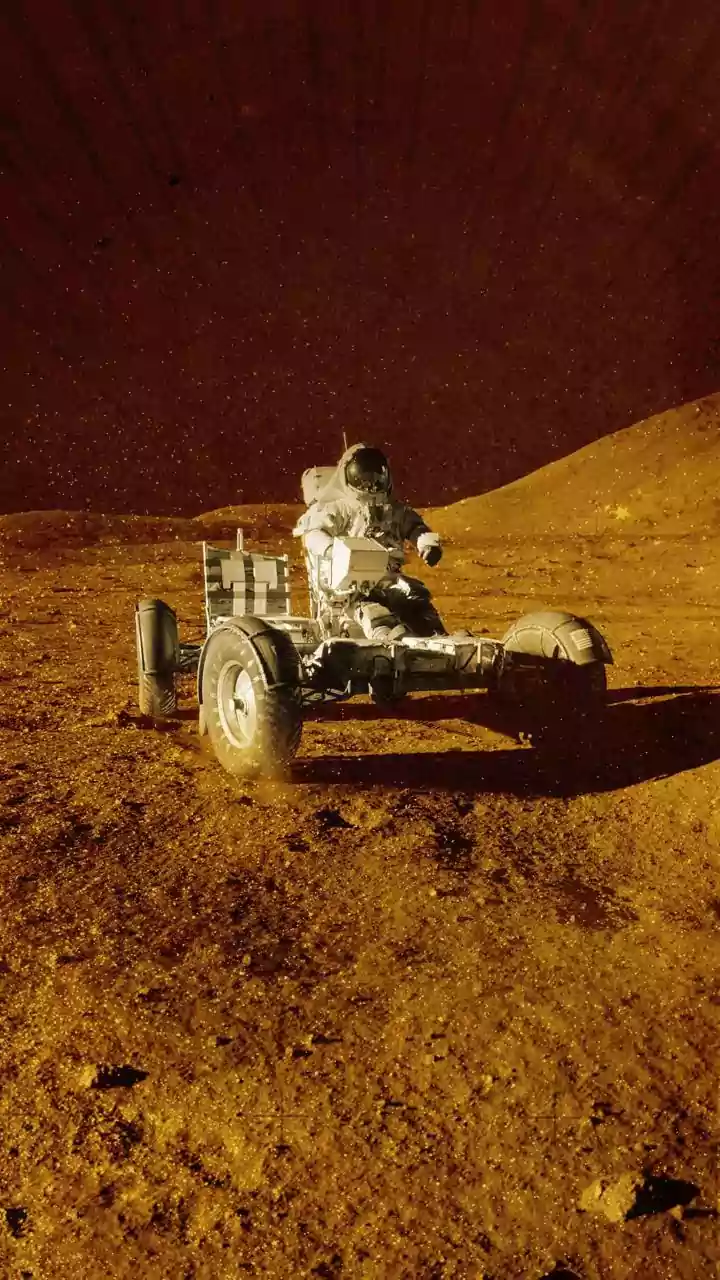
The lunar south pole is unlike any place humans have visited before. Its unique topography creates 'permanently shadowed regions' (PSRs) — deep craters and depressions that are never touched by direct sunlight. Temperatures in these areas can plummet to as low as -200° Celsius. Recent studies, including modelling by NASA scientists, have revealed that these ultra-cold, dark conditions could act as perfect refrigerators for Earthly microbes. While the harsh radiation on most of the Moon would destroy hitchhiking bacteria, the shadows of the south pole offer protection. A recent NASA study found that some hardy microbes could survive, albeit in a dormant state, within these sheltered niches. The study noted that even a rover's tread mark or an astronaut's bootprint could create a small, protected environment where microbes could persist.
The Risk to Science
The primary concern isn't that Earth microbes will start growing and colonising the Moon; the conditions are likely too harsh for them to thrive or reproduce. The real danger is scientific contamination. The ice in these PSRs is a pristine, multi-billion-year-old record of the solar system's history. Scientists want to study it for clues about the early Earth and the origins of life. If we introduce our own microbes—even dead or dormant ones—we risk confusing the science. Imagine discovering complex organic molecules in a lunar ice sample, only to be unsure if they are genuinely lunar or just contamination from the lander that collected them. This could compromise one of the most important scientific quests of our time. It would be like trying to study an ancient archaeological site after someone has scattered modern objects all over it.
A Call for Stricter Protocols
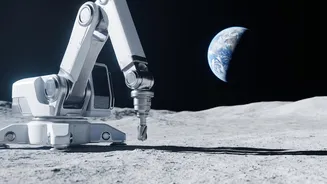
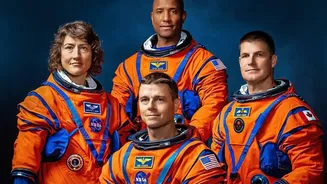
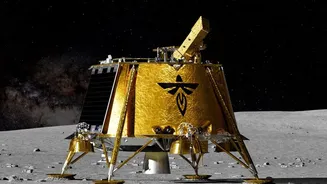
In light of these findings, many scientists are arguing that the planetary protection rules for the Moon need an update. While COSPAR has created a special sub-category for missions to the polar regions that requires more documentation, some experts believe this doesn't go far enough. They are calling for stronger checks, which could include more rigorous cleaning of spacecraft components or even heat sterilisation for parts of landers and rovers destined for PSRs. Crewed missions, like NASA's upcoming Artemis program, present an even greater challenge. Humans inevitably shed millions of microbes, and it's impossible to sterilise an astronaut. This makes it even more critical to establish a baseline of the lunar environment before we arrive in large numbers, to ensure we can distinguish what was originally there from what we brought with us.