







Understanding the 'Cure' Misconception
First, let's clarify the terms. In medicine, a 'cure' eliminates a disease entirely, so it does not return. A 'treatment' or 'remedy' manages symptoms to provide comfort and improve quality of life. Nasal congestion itself is not a disease; it is a symptom.
It's your body's response to an underlying issue, such as a cold virus, allergies, or a sinus infection. These conditions cause the tissues and blood vessels inside your nose to swell and become inflamed, sometimes with a buildup of mucus. Home remedies can't 'cure' the virus or allergy causing the inflammation. What they can do is provide significant, albeit temporary, relief by addressing the symptoms directly.
The Soothing Power of Steam and Humidity
One of the oldest remedies is inhaling steam. Whether from a hot shower, a bowl of hot water, or a vaporizer, the warm, moist air helps soothe irritated nasal passages. This moisture can also help thin and loosen stubborn mucus, making it easier to clear from your nose and promoting drainage. While some studies question its effect on chronic congestion, many people find it provides immediate, temporary comfort. Using a humidifier in your room, especially while you sleep, adds moisture to the air, which can prevent your nasal passages from drying out and may reduce stuffiness. Keeping the humidity between 30% and 50% is often recommended to prevent the air from becoming too damp.
Flushing It Out With Saline
Saline (saltwater) rinses and sprays are a highly effective, medication-free option. A saline solution mimics your body's own fluids, so it's gentle on delicate nasal tissues. These sprays and rinses work in several ways: they add moisture to dry nasal passages, thin out thick mucus, and help wash away irritants like pollen, dust, and germs. By flushing out these substances and reducing inflammation, saline can effectively relieve congestion. You can use a pre-made spray or a device like a neti pot. If you use a neti pot or create your own solution, it is critical to use distilled, sterile, or previously boiled water to avoid introducing harmful bacteria.
Hydration and Positioning Matter
What you drink and how you rest can make a surprising difference. Staying well-hydrated by drinking plenty of water, juice, or clear broths helps thin the mucus in your nasal passages, making it less likely to cause a blockage. Warm beverages like herbal tea can be especially soothing. It's wise to avoid alcohol and excessive caffeine, as they can lead to dehydration. When you lie down, gravity can cause mucus to pool, worsening congestion. Simply propping your head up with an extra pillow at night can help promote natural sinus drainage and make breathing easier while you sleep.
Do Spicy Foods Really Work?
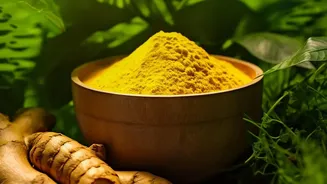
Many people swear by eating spicy foods to clear a stuffy nose. There's some science to this. Foods containing capsaicin, the compound that gives chili peppers their heat, can temporarily open up nasal passages. This effect is often accompanied by a runny nose, which helps drain mucus. Similarly, the strong scent of ingredients like menthol (in mint) or ginger may trick your brain into feeling like you're breathing more easily. One study even found ginger extract to be as effective as a common antihistamine in relieving nasal allergy symptoms. This relief is real, but it's temporary and addresses the symptom, not the underlying inflammation.