
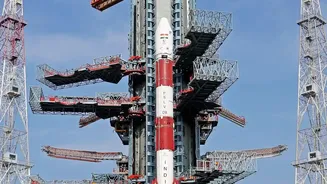
A New Space Race Begins
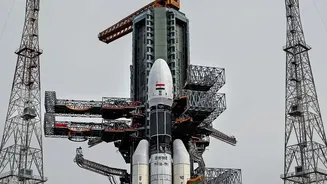
For over half a century, the Indian Space Research Organisation (ISRO) was the sole custodian of India's spacefaring dreams. From launching its first sounding rocket in the 1960s to the historic Chandrayaan missions, ISRO has been a symbol of national
pride and scientific achievement. But a quiet revolution has been taking place. The global space economy is projected to be a trillion-dollar industry, and India is making a strategic shift to claim a larger piece of the pie. The government has realised that for India to become a true space superpower, ISRO cannot be the only player. This has paved the way for the rise of a dynamic private space sector, creating a new ecosystem of innovation, competition, and collaboration that promises to propel India into a new orbit.
The Policy That Opened the Airlock
The game-changer was the Indian Space Policy 2023. This landmark policy framework formally ended the government's monopoly and opened the doors for private companies—termed Non-Governmental Entities (NGEs)—to undertake end-to-end space activities. This includes everything from designing and building rockets and satellites to owning and operating them. To oversee this transition, the government established the Indian National Space Promotion and Authorisation Centre (IN-SPACe) in 2020. Acting as a single-window agency, IN-SPACe's role is to promote, authorise, and supervise private space activities, ensuring a level playing field and providing access to ISRO's world-class facilities and expertise. This policy shift has redefined ISRO's role, allowing it to focus on what it does best: cutting-edge research, deep space exploration, and national security missions.
The New Rocket Pioneers
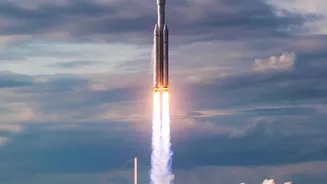
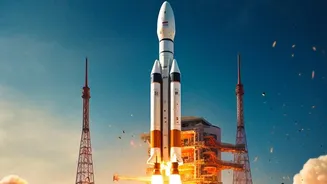
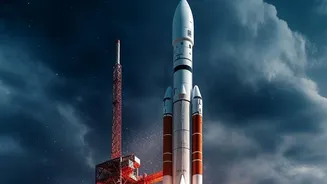
This new policy landscape has energised a wave of startups. Leading the charge are companies like Skyroot Aerospace and AgniKul Cosmos. Hyderabad-based Skyroot Aerospace made history in November 2022 with the launch of Vikram-S, India's first-ever privately developed rocket. The successful sub-orbital flight, named 'Prarambh' (The Beginning), was a powerful demonstration of private enterprise capability. More recently, in July 2026, Skyroot achieved another milestone with the orbital launch of its Vikram-I rocket.
Not far behind is Chennai-based AgniKul Cosmos, incubated at IIT Madras. In May 2024, AgniKul successfully launched its Agnibaan SOrTeD (SubOrbital Technological Demonstrator). This mission was significant for multiple reasons: it was the first launch from a private launchpad in India and it featured the world's first single-piece 3D-printed rocket engine, a testament to indigenous innovation. These launches are not just technical achievements; they are crucial steps in building a reliable, low-cost commercial launch service for the booming small satellite market.
Building the Broader Ecosystem
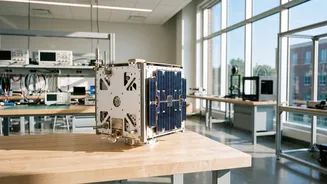
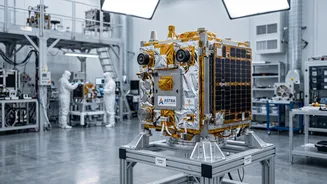
The rise of commercial rockets is just one part of the story. A whole ecosystem is developing around these launch capabilities. Over 400 space startups are now active in India, working on everything from satellite manufacturing and ground station services to data analytics and propulsion systems. Companies like Pixxel are building constellations of hyperspectral imaging satellites, while Dhruva Space focuses on satellite platforms. This diversification is crucial. India’s space economy, valued at $8.4 billion in 2022, is projected to surge to over $40 billion by 2033. This growth will be driven not just by launch services, but by the myriad downstream applications in sectors like agriculture, telecommunications, disaster management, and urban planning.
Challenges on the Launchpad
The journey, however, is not without its challenges. Space is a capital-intensive and high-risk business. Indian startups face stiff competition from established global players like SpaceX and Rocket Lab. Access to funding, particularly for growth-stage companies, remains a significant hurdle. There is also a need for a larger pool of specialised talent in areas like propulsion engineering and avionics to sustain this growth. Furthermore, while the Indian Space Policy 2023 provides a vision, a comprehensive legislative framework, including a Space Activities Bill, is still needed to provide greater regulatory clarity on complex issues like liability and insurance.