
The Hidden Power of Polyphenols
Before we get to the kitchen, let's talk about polyphenols. These are naturally occurring compounds found in plant-based foods like fruits, vegetables, tea, and even dark chocolate. Think of them as the plant's own defence mechanism. In the human body,
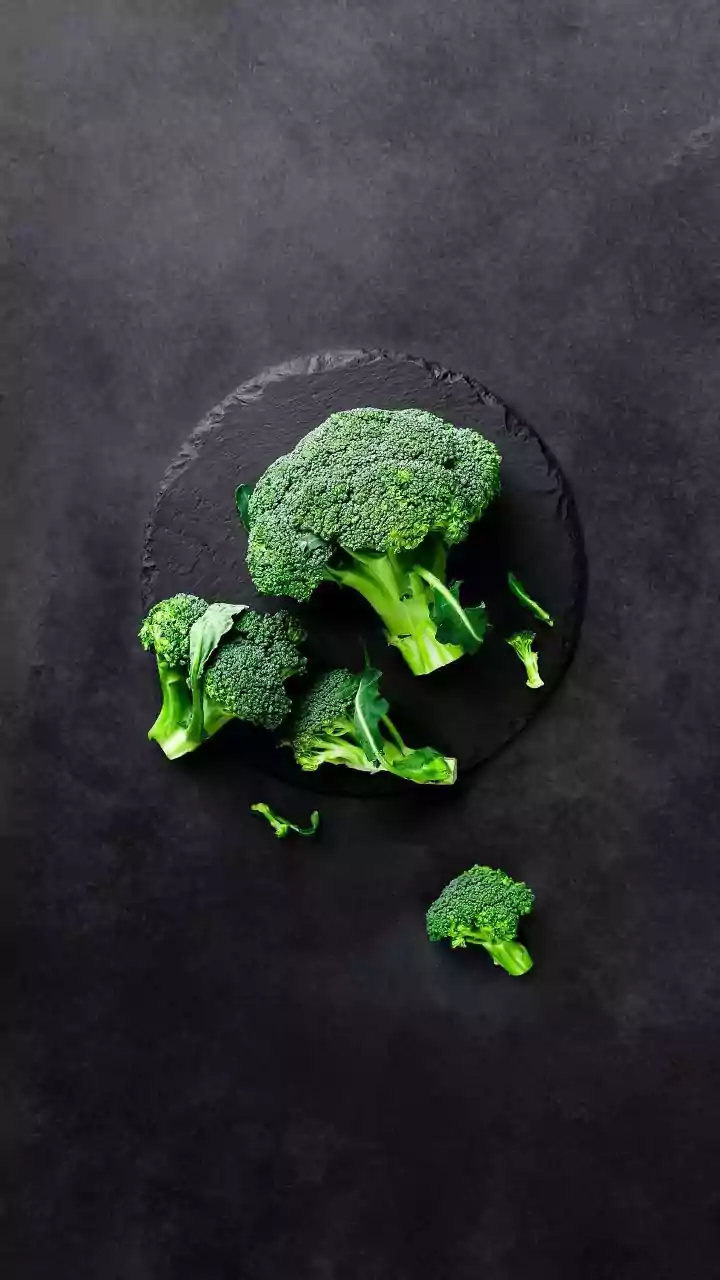
they act as powerful antioxidants. This means they help protect our cells from damage caused by unstable molecules called free radicals, which can contribute to ageing and various health issues. A diet rich in polyphenols is linked to numerous benefits, including improved heart health, better brain function, and a reduced risk of certain chronic diseases. Broccoli and cabbage, both members of the cruciferous vegetable family, are packed with these beneficial compounds.
The Steaming Advantage
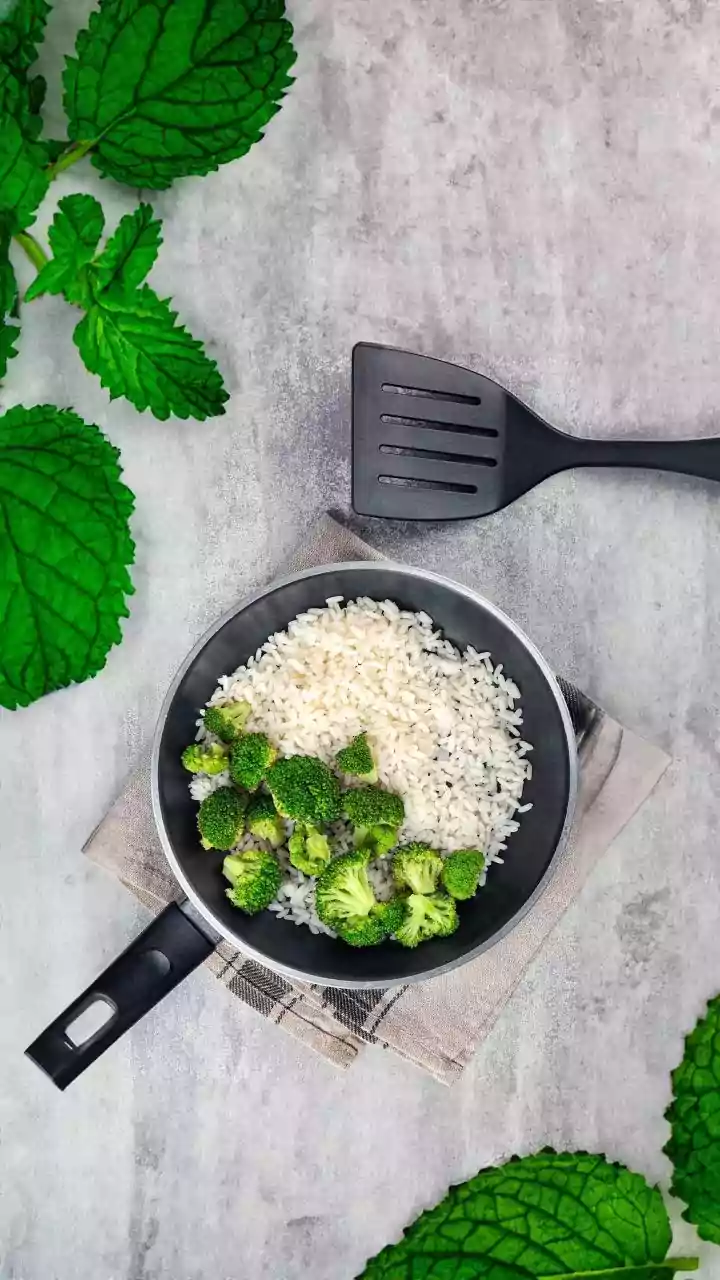
So, how do we get the most out of these powerhouse vegetables? The answer lies in how we apply heat. While boiling is a common cooking method, it can be nutritionally disastrous for vegetables like broccoli and cabbage. Many of the most valuable nutrients, including water-soluble polyphenols and vitamins, leach out into the cooking water, which often gets poured down the drain. Steaming, however, offers a brilliant alternative. By cooking the vegetables with the heat from steam rather than submerging them in water, the nutrients stay locked within the vegetable. Several studies have shown that steaming not only preserves the polyphenol content but can actually make them more available to our bodies. The heat from steaming can help break down the plant's cell walls, making it easier for our bodies to absorb these healthy compounds. While 'doubling' is a strong claim, research consistently shows that steaming leads to significantly higher retention of these compounds compared to boiling.
More Than Just Polyphenols
The benefits of steaming broccoli and cabbage don't stop at polyphenols. These vegetables are also famous for a group of compounds called glucosinolates. When we chop or chew these vegetables, an enzyme reaction converts glucosinolates into isothiocyanates, like sulforaphane, which are renowned for their health-promoting properties. Unfortunately, harsh cooking methods can damage both the glucosinolates and the crucial enzyme needed for this conversion. Boiling, in particular, has been shown to cause significant losses. Steaming, being a gentler method, is much better at preserving these valuable compounds. Some studies suggest steaming is the best cooking method for retaining glucosinolates in broccoli and cabbage, ensuring you get the full spectrum of their benefits.
How to Steam Perfectly
Embracing steaming doesn't require any fancy equipment. If you have a steamer basket, simply place it in a pot with an inch or two of water, making sure the water doesn't touch the bottom of the basket. Bring the water to a boil, add your chopped broccoli or cabbage, cover, and let the steam work its magic. For broccoli florets, this usually takes about 5-7 minutes. You're looking for a bright green colour and a texture that is tender-crisp, not mushy. For cabbage, the time can vary based on how it's cut, but it generally takes a similar amount of time. If you don't have a steamer basket, you can easily improvise one using a metal colander placed in a large pot, or even by placing three balls of aluminium foil on the pot bottom to elevate a heatproof plate.
What About Other Methods?
While steaming is a clear winner for nutrient retention, what about other popular methods? Microwaving with a small amount of water has been shown to be quite good at preserving nutrients, sometimes performing similarly to steaming. Stir-frying, if done quickly over high heat with minimal oil, can also be a good option that retains more nutrients than boiling. However, it can also lead to losses of certain compounds depending on the temperature and duration. The main takeaway is that cooking methods that use less water and shorter cooking times tend to be superior. Boiling, especially for extended periods, consistently ranks as one of the worst methods for preserving the delicate and beneficial compounds in our vegetables.