








The Power of a Single Word
The word "natural" creates what marketers call a "health halo." It makes us feel that a product is automatically safer, healthier, and better for us. We associate it with ingredients sourced from nature, free from synthetic chemicals and heavy processing.
This perception is driving a massive trend in the wellness industry, where consumers are actively seeking out products they believe are cleaner and more aligned with a healthy lifestyle. Brands know this, and the "natural" label has become marketing gold. However, the reality is far more complex. The emotional trust consumers place in the word often doesn't match the technical or legal reality behind the product's formulation.
What Does 'Natural' Mean in India?
Here’s the surprising truth: in India, the term 'natural' is largely unregulated on product labels. Unlike 'organic,' which requires strict certification to be used, 'natural' can be applied by almost any brand without needing to prove it to a regulatory body. The Food Safety and Standards Authority of India (FSSAI) and the Advertising Standards Council of India (ASCI) have guidelines against misleading claims, but 'natural' itself doesn't have a strict legal definition. This means a product labelled 'natural' can still legally contain synthetic preservatives, artificial fragrances, or other additives. Recently, the FSSAI has cracked down on absolute claims like "100% natural" unless they can be fully proven, which signals a move towards greater accountability.
Natural vs. Organic vs. Clean
These terms are often used interchangeably, but they mean very different things. Studies show that a large percentage of shoppers are confused about the distinction. 'Natural' simply suggests the ingredients originated from nature. 'Organic' is a legally protected term. For a product to be labelled 'organic' in India, its ingredients must be grown without synthetic pesticides or fertilisers and meet strict government certification standards, often indicated by a logo like 'India Organic'. 'Clean' is another popular but unregulated marketing term, generally implying a product is free from a list of controversial ingredients like parabens and sulphates. Of the three, only 'organic' offers a legally backed guarantee of its production methods.
How to Be a Smarter Shopper
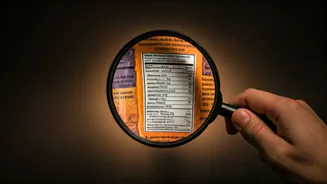
In a marketplace full of confusing claims, the power returns to the consumer. The single most important habit is to ignore front-of-pack buzzwords and read the full ingredient list. A truly natural product will have a list you can mostly recognise, featuring plant and botanical names. Be wary of vague terms like "fragrance" or "perfume," as these can hide hundreds of synthetic chemicals. Also, check for certifications. While 'natural' isn't certified, a product might have an 'organic' certification or a 'cruelty-free' logo, which shows it has met specific, verifiable standards. Finally, understand that even ingredients from nature can be heavily processed or cause irritation, so 'natural' doesn't automatically equal 'better for you.'