





The Unstable Link Between Climate and Kitchens
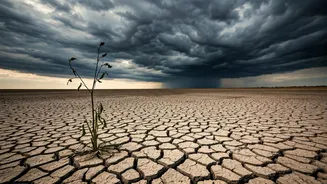
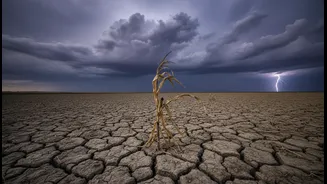
For generations, agriculture has relied on predictable weather patterns. But as climate change intensifies, that predictability is fading. Extreme weather events are becoming more frequent and severe, creating a direct and often immediate shock to our
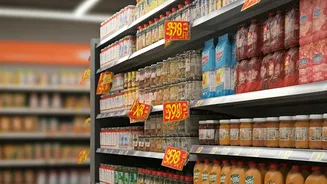
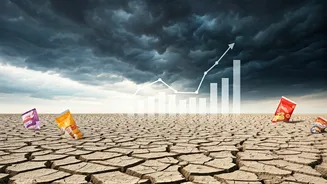
food supply chain. When there is too much rain, or too little, or a sudden, blistering heatwave, crop yields suffer. This isn't a minor inconvenience; it disrupts the fundamental balance of supply and demand. Damaged crops lead to smaller harvests, which means less food makes it to market. With supply tightened and demand remaining constant, prices inevitably rise. This volatility is no longer a temporary or occasional issue; experts now see climate shocks as a recurring driver of food inflation in India.
India’s Monsoon Gamble
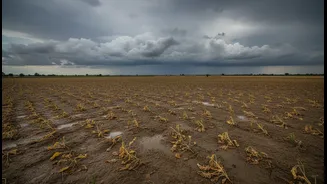
The southwest monsoon is the lifeline for a vast portion of Indian agriculture, with over 60% of the country's farmland being rain-fed. A healthy monsoon season recharges reservoirs and ensures adequate soil moisture for critical kharif crops like rice, pulses, and soybeans. However, recent trends show a worrying pattern of erratic performance. A report from early July 2026 noted that cumulative rainfall was significantly below the long-period average after the worst June in a decade. A weak or delayed monsoon directly impacts sowing activity, causing a domino effect that leads to lower output and puts upward pressure on prices for staples that form the backbone of Indian diets. The India Meteorological Department (IMD) has forecast a below-normal monsoon for 2026, intensifying concerns about food price inflation in the latter half of the year.
When Heatwaves Hit Your Vegetable Basket
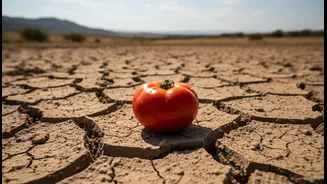
Beyond the monsoon, intense and frequent heatwaves are emerging as a major threat to food price stability. Perishable, short-duration crops—especially the kitchen staples of tomatoes, onions, and potatoes—are highly sensitive to sudden temperature spikes. Extreme heat can damage plants at critical growth stages, leading to reduced yields and lower quality produce. For example, past heatwaves have caused significant damage to wheat crops, forcing shrivelled grains and yield losses of up to 25%. This isn't just a problem for farmers; it translates directly to market shocks. Heavy rains and heat damage in key growing states have previously caused tomato production to plummet and wholesale prices to more than triple in a matter of weeks. As temperatures rise, these price shocks are becoming a regular feature of the vegetable market.
Global Weather, Local Prices
The issue extends beyond India's borders. Global weather phenomena like El Niño—a warming of the Pacific Ocean—can have a profound impact on local prices. El Niño events are often linked to suppressed monsoon rainfall and higher temperatures in India. The last strong El Niño event contributed to retail food inflation averaging over 8.5% for an extended period. This global weather pattern also affects other major agricultural regions, disrupting the production of commodities that India imports, such as edible oils and certain pulses. When international supply chains for items like palm or soybean oil are hit by weather-related disruptions, the higher import costs are passed on to Indian consumers, adding another layer of pressure to household budgets.
What's on the Price Watchlist?
So, which items are most vulnerable in this new era of weather-driven price volatility? Vegetables remain at the top of the list, particularly tomatoes, onions, and potatoes, due to their perishability and sensitivity to weather shocks. Pulses (like tur and moong) and oilseeds are also highly exposed, as they are largely grown in rain-fed areas and are susceptible to both weak monsoons and El Niño effects. Even staple cereals like wheat and rice are not immune; while irrigation provides a buffer, extreme heat during the grain-filling stage can significantly reduce yields. Economists and agricultural experts are now closely monitoring weather forecasts not just to predict the weather, but to anticipate the next wave of food price inflation.