


Why Fungus Appears on Indoor Plants
Fungal spores are practically everywhere, but they only become a problem when conditions are right. For houseplants in India, this often happens during the monsoon season when humidity soars, but it can occur any time of year. The main culprits are a trio
of environmental factors: overwatering, high humidity, and poor air circulation. When soil stays soggy, it creates a low-oxygen environment where fungi thrive. Stagnant, humid air allows moisture to sit on leaves, inviting infections like powdery mildew. Crowded plants also limit airflow, creating the perfect breeding ground for these unwanted guests.
Identify Your Foe: Common Fungal Foes
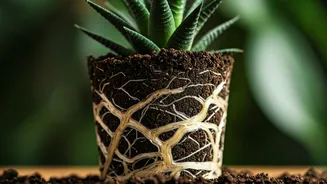
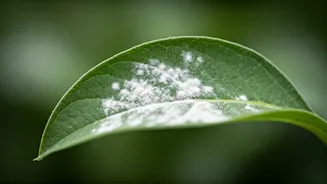
Knowing what you're up against is the first step to winning the battle. Here are the most common fungal issues you'll encounter: Powdery Mildew: This looks like someone has dusted your plant's leaves with flour or white powder. It starts in small spots but can quickly cover entire leaves, hindering photosynthesis and weakening the plant. Root Rot: This sneaky problem starts below the soil. The first signs are above ground: yellowing leaves, wilting even when the soil is wet, and stunted growth. If you check the roots, they will be brown, black, and mushy instead of firm and white. Black Spot / Leaf Spot: These appear as dark, often circular spots on the leaves, sometimes with a yellow halo. They are caused by various fungi that flourish in damp conditions. Over time, the spots can merge, and the affected leaves may drop. Sooty Mould: This is a black fungus that grows on a sticky substance called honeydew, which is left behind by pests. While it doesn't infect the plant directly, it covers the leaves and blocks light.
Your Fungus-Fighting Action Plan
Once you’ve identified a fungal problem, immediate action is crucial to prevent it from spreading. Follow these steps: 1. Isolate: The first thing you must do is move the infected plant away from all your other healthy plants to stop the spores from spreading. 2. Prune: Using sterilised scissors or pruning shears, carefully cut off all affected leaves, stems, or flowers. For root rot, you'll need to remove the plant from its pot, wash the roots, and trim away all the mushy, dark parts until only healthy, white roots remain. 3. Treat: For leaf-based fungi, you can use a natural fungicide. A spray made from neem oil is highly effective. Alternatively, a solution of one teaspoon of baking soda mixed in a litre of water with a few drops of mild liquid soap can also work. Spray the entire plant, including the undersides of leaves. For root rot, after trimming the bad roots, you can treat the remaining healthy ones with a diluted hydrogen peroxide solution before repotting. 4. Repot if Necessary: In severe cases of root rot or soil-borne fungi, it's best to discard the old soil and repot the plant in a fresh, sterile, well-draining potting mix and a clean pot.
Prevention Is the Best Cure
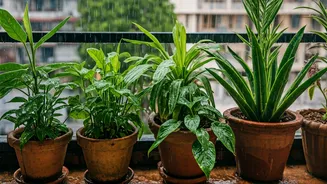
Once you've treated the infection, the goal is to prevent it from coming back. The key is to fix the environmental issues that allowed the fungus to grow in the first place. Water Wisely: Overwatering is the number one cause of fungal problems. Always check the top inch or two of soil before watering. If it's still damp, wait. Ensure your pots have good drainage holes. Improve Air Circulation: Good airflow is vital. Avoid crowding plants too closely together. You can also use a small, oscillating fan on a low setting to keep air moving gently around your plants, especially in humid rooms or during the monsoon. Manage Humidity: While many tropical plants like humidity, stagnant moisture is the enemy. Water plants in the morning so the leaves have time to dry during the day. Avoid getting water on the foliage if possible by watering the soil directly. Quarantine New Plants: Keep any new plant isolated for a few weeks to ensure it's not bringing any hidden pests or diseases into your home.