









Your Body’s Natural Air Conditioner
Your body has a brilliant, built-in cooling system: sweating. When you run, your muscles generate heat, raising your core body temperature. In response, your sweat glands release moisture onto your skin. The magic happens when this sweat evaporates. The process
of evaporation requires energy, which it draws from your skin in the form of heat. As the sweat turns from a liquid to a gas, it carries that heat away, effectively cooling you down. In dry conditions, this system is incredibly efficient. The air readily accepts the moisture, allowing for quick evaporation and effective temperature regulation.
How Humidity Breaks the System
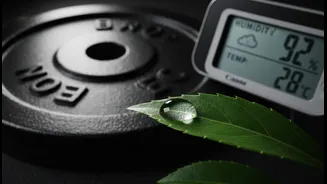
High humidity throws a wrench in the works. Humidity is simply the measure of moisture already present in the air. When the air is saturated with water vapor, there's little room for your sweat to go. Evaporation slows down dramatically because the surrounding air can't absorb any more moisture. Instead of vanishing and taking heat with it, sweat clings to your skin, leaving you feeling drenched and sticky. You might feel like you're sweating more, but in reality, the sweat just isn't evaporating. This breakdown in your primary cooling mechanism means heat gets trapped, causing your core body temperature to rise more quickly than it would in dry heat.
The Dehydration Domino Effect
When your body senses it isn't cooling down, its only response is to try harder by producing even more sweat. This is where the danger of early dehydration begins. Because the sweat isn't cooling you effectively, your body enters a cycle of producing useless sweat, rapidly depleting your fluid reserves. This accelerated fluid loss can lead to dehydration much faster than you might expect. Dehydration isn't just a matter of feeling thirsty; it means you're losing both water and essential electrolytes like sodium and potassium, which are crucial for muscle and nerve function.
The Strain on Your Heart
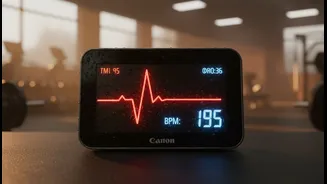
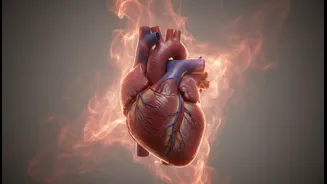
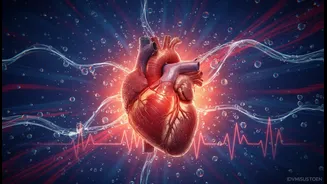
This is where the cardiovascular stress comes in. As you become dehydrated, the volume of plasma in your blood decreases. This makes your blood thicker and harder to pump. At the same time, your body is still trying to cool down by sending more blood to the skin's surface. Your heart is now faced with a double challenge: it has to pump a reduced volume of thicker blood, and it has to pump it harder and faster to supply both your working muscles and your skin. This results in a significantly elevated heart rate for any given pace, a phenomenon known as cardiovascular drift. This increased strain can make a normal run feel incredibly taxing and, over time, can put significant stress on your entire cardiovascular system.
Know the Warning Signs
Running in high humidity requires you to be extra vigilant and listen to your body. Early signs of heat-related illness and cardiovascular strain are often subtle but shouldn't be ignored. Watch out for unusual fatigue that sets in early, dizziness, light-headedness, or nausea. An excessively high heart rate that doesn't decrease when you slow down is a major red flag. Some people even experience chills or goosebumps despite being hot, which can be a sign of heat exhaustion. If you notice any of these symptoms, it is critical to stop running, find a cool place, and rehydrate immediately.
Smarter Strategies for Humid Runs
You don't have to hang up your shoes when the dew point rises, but you do need to adjust your approach. Start by hydrating well before you even step out the door. During your run, carry water or an electrolyte drink. Choose lightweight, light-colored, and moisture-wicking clothing to help pull sweat away from your skin. Run during the coolest parts of the day, such as the early morning or late evening. Most importantly, adjust your expectations. Accept that you will run slower in high humidity and focus on effort rather than pace. Your body is already working hard just to stay cool, so pushing for a personal best is not only unrealistic but also risky.