


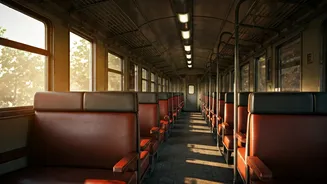


The Backlash Against Burnout Travel
For years, the budget travel mantra was to squeeze as much as possible into the shortest time. This often meant racing between cities, fuelled by cheap flights and a fear of missing out. The result? Travellers would return home more exhausted than when
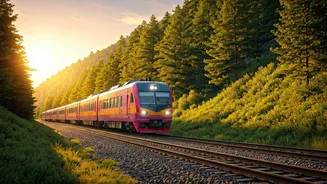
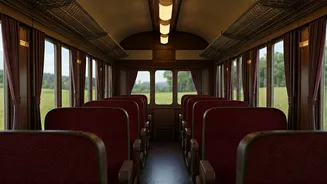
they left. Now, a different philosophy is taking hold: 'slow travel'. This approach prioritises quality over quantity, encouraging deeper connections with a single place rather than a superficial tour of many. Instead of a five-city European tour in a week, travellers are opting to spend that entire time in one region, exploring local culture and daily life. This intentional slowing down is a direct response to a hyper-productive, digitally saturated world, with many seeking a mental reset on vacation. Trains, with their steady pace and scenic views, are the natural vehicle for this new, more mindful way of exploring the world.
The Sleeper Train Renaissance
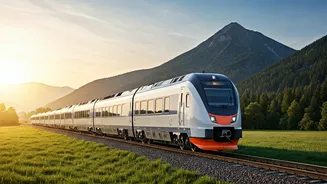
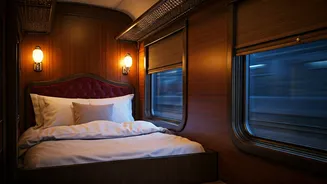
A key part of this shift is the remarkable comeback of the sleeper train. Once seen as a relic of a bygone era, overnight trains are now a practical and exciting option for budget travellers. The logic is simple and compelling: you combine your transport and accommodation costs into one, travelling while you sleep and waking up in a new city with a full day ahead. Europe is at the forefront of this revival, with a host of new sleeper routes launched or planned for 2026, connecting major capitals like Paris, Berlin, Brussels, and Milan. These services are being driven by a mix of national rail operators and sustainability-focused startups. The appeal is cross-generational, but particularly strong with younger, eco-conscious travellers who value experiences over pure speed.
When the Journey Becomes the Destination
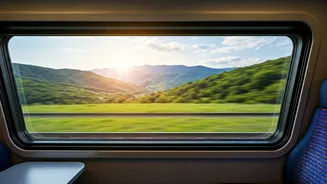
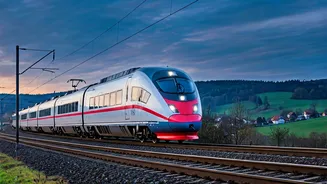
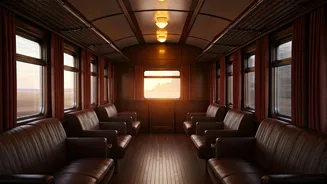
Frustration with air travel is another major factor pushing people towards the rails. Crowded airports, long security lines, and a constant barrage of extra fees for everything from luggage to seat selection have made flying a stressful experience. Train travel, by contrast, offers a more relaxed and civilised alternative. Stations are typically located in city centres, eliminating the costly and time-consuming trek to a distant airport. Onboard, passengers enjoy more spacious seating, the freedom to move around, and often, free Wi-Fi and scenic views that turn travel time into productive or relaxing time. This shift is part of a broader trend toward 'experiential travel,' where the journey itself is valued as a core part of the holiday.
A Greener Way to Go
For a growing number of travellers, the decision is also an ethical one. As awareness of the climate crisis grows, so does the desire to travel more sustainably. Aviation is a significant and fast-growing contributor to global emissions, and many travellers are grappling with 'flight shame'. Rail travel offers a much lower-carbon alternative. On average, travelling by train emits significantly fewer greenhouse gases per passenger than flying. In some cases, choosing a train over a plane can cut a journey's carbon emissions by up to 90 percent. This makes rail an appealing choice for younger generations like Gen Z and millennials, who increasingly prioritise sustainability when making purchasing decisions.
Is It Always Cheaper?
While the trend is shifting, the 'budget' aspect requires careful planning. A common myth is that trains are always cheaper than planes, but reality is more complex. On many cross-border routes in Europe, aggressive pricing by low-cost airlines—who benefit from tax exemptions on fuel—can still make flying seem cheaper at first glance. However, once you factor in the 'hidden' costs of air travel—such as expensive airport transfers and steep baggage fees—the train often becomes more competitive. For domestic travel and on many routes in Central and Eastern Europe, rail is frequently the more affordable option. The key for budget travellers is to book in advance, look for rail passes, and compare the total door-to-door cost, not just the headline ticket price.