





Visit the Historic Bonedi Baris
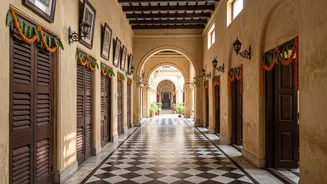
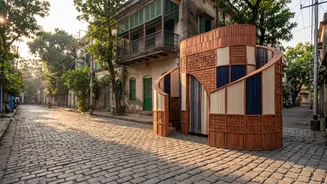
Step back in time by visiting a 'Bonedi Bari' or the ancestral home of Kolkata's erstwhile aristocratic families. Unlike the theme-based community pandals, these pujas are steeped in centuries-old traditions passed down through generations. Each family
has unique rituals, from the style of the idol (often with a single frame, or 'ek chala') to the specific food offerings, or 'bhog'. Many of these grand, crumbling mansions in North and Central Kolkata open their doors to visitors during the five days of Puja. Witnessing a Bonedi Bari puja at places like Sovabazar Rajbari or the homes of Chatu Babu and Latu Babu offers a quieter, more intimate glimpse into the festival's heritage. Guided tours are available, which help in understanding the history and specific customs of each household.
Embrace the 'Para' Culture
The true community spirit of Durga Puja thrives in the city's neighbourhoods, known as 'paras'. Long before massive theme pandals became the norm, local residents would pool resources for their own neighbourhood celebration. These smaller-scale pujas foster a sense of belonging and camaraderie. Residents actively participate in everything from organising cultural programmes to distributing 'bhog'. Strolling through a 'para' in the evening, you'll find people dressed in their festive best, engaging in lively conversations ('adda'), and children playing freely. It's in these lanes that you can feel the warmth and collective joy that defines the festival for most Kolkatans.
Savour the Flavours of Puja
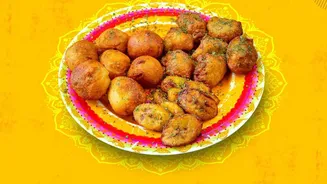
Durga Puja is a feast for the senses, and taste is paramount. The culinary landscape of Kolkata transforms during the festival. Beyond the community kitchens serving 'khichuri bhog', the streets come alive with food stalls. Indulge in classic street foods like 'phuchka', 'jhalmuri', and Kathi Rolls, which are perfect for munching on while pandal-hopping. Many restaurants also offer special Puja menus featuring traditional Bengali delicacies. The celebration is incomplete without sampling Bengali sweets ('mishti'). Shops are filled with favourites like 'rosogolla' and 'sandesh', embodying the sweet spirit of the occasion.
Witness the Pre-Puja Rituals
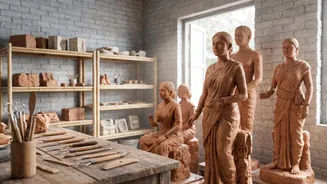
The festive air begins long before the main five days. Mahalaya marks the official start of the 'Devipaksha', the fortnight of the Goddess. Waking up before dawn to listen to the iconic 'Mahishasura Mardini' radio broadcast is a cherished tradition in almost every Bengali household. On this day, many gather at the ghats of the Hooghly River to perform 'Tarpan', a ritual of offering prayers to ancestors. Another fascinating pre-puja sight is a visit to Kumortuli, the potters' colony, where skilled artisans sculpt the clay idols of Goddess Durga, breathing life into them in the weeks leading up to the festival.
Experience the Grand Immersion
The festival culminates on Vijayadashami with 'Bisarjan', the immersion of the Durga idols in the river. This final farewell is both emotional and spectacular. Before the procession begins, married women participate in 'Sindoor Khela', smearing vermilion on each other and the goddess, praying for marital bliss. The idols are then carried through the streets with music and dancing, heading towards ghats like Babughat and Princep Ghat. Watching the beautifully crafted idols being submerged in the Hooghly as devotees chant "Asche bochor abar hobe" (It will happen again next year) is a poignant and powerful experience.
Attend Local Cultural Programmes
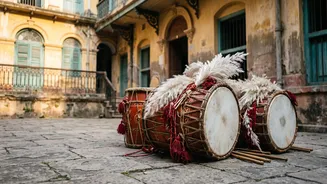
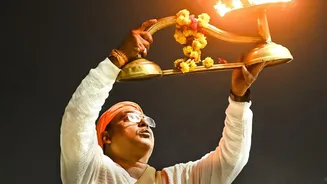
Durga Puja is as much a cultural festival as it is a religious one. Most neighbourhood pandals and residential complexes host cultural evenings featuring music, dance, and theatre. These events showcase local talent and are a wonderful way to experience Bengali performing arts. From traditional folk dances and Rabindra Sangeet recitals to contemporary band performances and plays, these gatherings are the cultural soul of the celebration. Don't miss the 'Dhunuchi Naach', a devotional dance performed with earthen incense burners to the rhythmic beats of the 'dhak' drum, especially on Ashtami and Navami evenings.