





The Familiar Pull of the Famous
There’s a certain magic to visiting a place you’ve seen a thousand times on screen. Cities like Paris, London, or domestically, the bustling beaches of North Goa, are popular for a reason. They are packed with iconic sights, world-class restaurants, and an energetic
vibe that’s undeniably infectious. For many Indian travellers, these destinations represent a rite of passage—a chance to see the Eiffel Tower sparkle or experience the legendary nightlife of Baga Beach. This familiarity is comforting; you know what to expect, what to see, and the infrastructure is built to make your visit easy and exciting. These hubs offer convenience and a checklist of famous experiences that are easy to plan and execute.
The Hidden Cost of Popularity
But that popularity comes at a price, and not just a financial one. The reality of visiting a major tourist hub often involves battling crowds, standing in long queues, and paying inflated prices for everything from a simple meal to accommodation. The very things that make a place famous can also dilute the experience. That charming local cafe might be overrun, the serene viewpoint might be a struggle for space, and the authentic culture can sometimes feel buried under a layer of tourist traps. This phenomenon, known as 'overtourism', can leave you feeling more stressed than relaxed, wondering if you’re just one of a million people having the exact same, pre-packaged holiday.
A Tale of Two Coasts: Goa vs. Gokarna
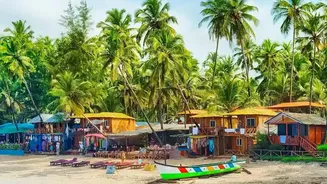
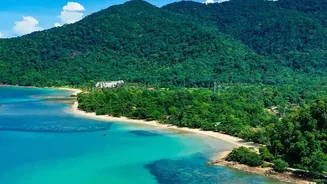
Consider the classic Indian beach holiday. North Goa is synonymous with parties, water sports, and a vibrant, commercial atmosphere. It’s exciting but can also be incredibly crowded. Now, picture Gokarna in Karnataka. Just a few hours down the coast, it offers a completely different world. Here, the vibe is relaxed, spiritual, and deeply connected to nature. Instead of loud clubs, you'll find quiet beachside cafes with soft music. Instead of jet skis, the main activities are trekking between pristine, less-crowded beaches like Om and Kudle, or simply enjoying the quiet. While Goa is developed for convenient, high-energy fun, Gokarna offers a rawer, more peaceful escape where your money often goes further. This choice highlights the core difference: do you want a holiday that is planned for you, or one you can discover yourself?
The Joy of Genuine Discovery
Choosing a lesser-known city is an invitation to adventure. It’s about the thrill of stumbling upon a hidden gem—a family-run restaurant, a quiet park, or a quirky local shop—that you won’t find in any guidebook. These places offer a more authentic cultural experience because they aren’t performing for tourists. Daily life unfolds as it always has, and as a visitor, you become a quiet observer rather than part of a crowd. This allows for more meaningful interactions with locals, who are often genuinely curious and welcoming to visitors. You get to see the real soul of a place, not just its famous facade. The stories you bring back are uniquely yours, not a carbon copy of a million Instagram posts.
Your Rupee Goes Much Further
One of the most practical benefits of avoiding major tourist hubs is affordability. In cities that are not geared towards mass tourism, the cost of living is generally lower, and this translates directly into savings for travellers. Accommodation, food, and local transport are often significantly cheaper, allowing your budget to stretch further. This doesn’t just mean saving money; it means you can afford to do more. You might stay an extra day, enjoy more elaborate local meals, or splurge on a unique handicraft without a second thought. Your trip becomes less about managing expenses and more about soaking in the experience.
Swapping Crowds for Deeper Connection
Ultimately, the decision comes down to what you seek from your travels. If your goal is to see the world’s most famous landmarks, then the big cities are unavoidable. But if you travel to escape, to learn, and to connect with a place on a deeper level, then the rewards of a lesser-known destination are immense. By stepping off the beaten path, you contribute to a more sustainable form of tourism that supports local communities directly and reduces the environmental strain on popular spots. You trade long lines for open spaces, tourist menus for authentic cuisine, and fleeting snapshots for lasting memories. The experience is slower, quieter, and often, far more profound.