



More Than a Colourful Welcome Mat
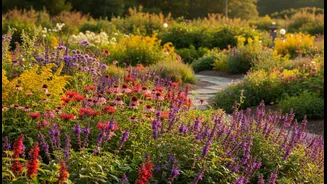
For decades, the conventional wisdom for attracting pollinators has been simple: plant bright flowers. While it's true that colours like blue, purple, and yellow are highly attractive to bees, and reds and oranges catch the eye of butterflies, this is only
part of the story. Pollinators see the world differently than we do, perceiving ultraviolet patterns that act like runway lights guiding them to nectar. However, colour is just the initial advertisement. The real test of a flower's appeal is its structure. A flower's shape determines whether a pollinator can actually access the pollen and nectar it offers. Think of it as the difference between a flashy sign on a restaurant and a door you can actually open.
The Critical Role of a Landing Pad
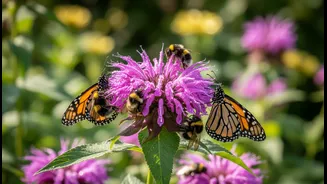
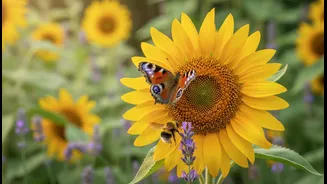
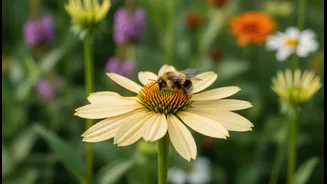
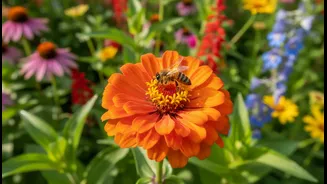
Imagine trying to drink from a cup while hovering in mid-air; it’s inefficient and exhausting. Many pollinators face a similar challenge. This is where landing pads become essential. Flat, stable surfaces allow insects like bees and butterflies to land securely, conserve energy, and focus on the task of gathering nectar and pollen. Butterflies, for instance, need broad, flat-topped flowers or clusters where they can perch comfortably while using their long, straw-like proboscis to feed. Bees also prefer flowers that offer a stable platform. Some flowers, like snapdragons, have even evolved specialized landing pads that only open for bees of the right weight, ensuring their preferred pollinator gets the reward. This co-evolution highlights just how crucial physical structure is to the pollination process.
Designing a Garden with Good Structure
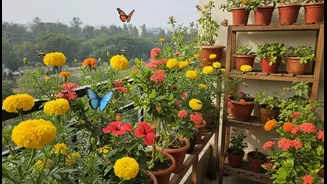
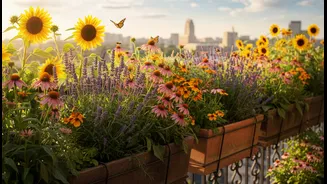
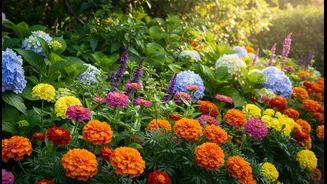
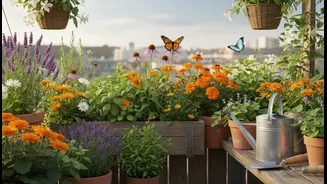
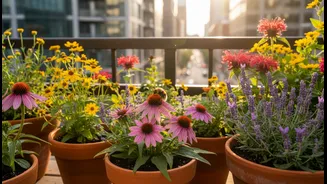
Creating a garden that offers these safe harbours is easier than it sounds. The key is to choose flowers with accommodating shapes. Composite flowers, which are actually made up of many tiny florets packed together, are a fantastic choice. Think of plants like marigolds, zinnias, cosmos, sunflowers, and echinacea (coneflowers). Their broad, disc-like centres provide a perfect, all-in-one landing and feeding station for a wide variety of pollinators. Similarly, plants that grow in clusters, like lantana or yarrow, offer a large, collective surface for insects to work across efficiently. By prioritising these shapes, you move beyond simply attracting pollinators and start actively catering to their needs.
Thinking Beyond the Bloom
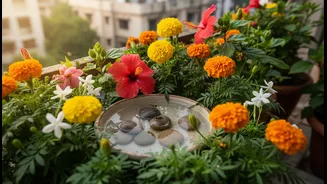
A truly welcoming habitat considers a pollinator's entire life cycle, which extends far beyond nectar-feeding. The concept of a "soft landing" is crucial for many species of moths and butterflies whose caterpillars drop from host trees to pupate on the ground. Planting native ground covers, ferns, or simply leaving a layer of leaf litter under trees provides a safe, soft place for this next stage of life. Bare, undisturbed patches of soil are also vital, as many native bees are ground-nesters and need a place to burrow. Even something as simple as a shallow dish of water filled with pebbles or marbles can be a lifesaver, offering a safe place for bees and butterflies to drink without the risk of drowning.