



The All-Rounder: Hibiscus
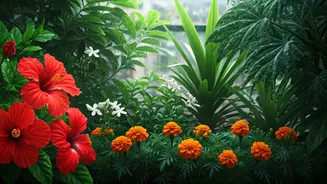
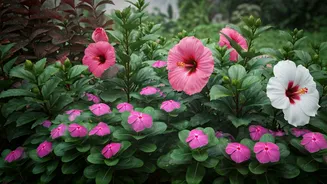
A quintessential flower in many Indian homes, the hibiscus truly comes alive during the monsoon. [4, 7, 12, 15] These tropical shrubs love the warm, moist climate, producing large, showy flowers in shades of red, pink, yellow, and white with increased
frequency. [4, 11, 15] They thrive in the humid conditions and are relatively low-maintenance, making them an excellent choice for both pots and garden beds. [4, 7] While they love the rain, ensure they are planted in well-drained soil to prevent waterlogging at the roots. [12, 15] With just a little occasional pruning to encourage bushy growth, hibiscus will reward you with a constant supply of vibrant blooms that attract butterflies and hummingbirds, adding life to your garden. [4, 12]
The Cheerful Bloomer: Balsam
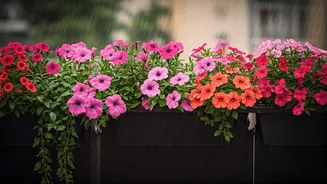
Also known as Impatiens, or ‘touch-me-nots’, balsam is a classic rainy-season annual that flourishes in moist, shaded conditions. [8, 10, 15] This makes it perfect for balconies or garden spots that don't receive direct, harsh sunlight. [8, 10] Balsam plants produce a profusion of cheerful flowers in pink, purple, red, and white, brightening up any space. [10, 15] They are remarkably easy to care for and grow well in containers. [5, 8, 10] One of their most charming features is their seed pods, which burst open when touched, making them a fun plant for families. They are generally disease-free, though it's wise to watch for common pests like aphids during the wet season. [10]
The Fragrant Favourite: Jasmine
The combination of earthy petrichor and the sweet scent of jasmine is a monsoon experience to cherish. Jasmine vines and shrubs, including popular varieties like Mogra (Arabian Jasmine), thrive in the high humidity of the rainy season. [2, 4, 7, 15] These plants produce fragrant white flowers that are often used in cultural rituals and for making essential oils. [4] They prefer well-drained soil and a spot with partial to full sunlight. [7, 15] With the abundant moisture provided by the rains, they require even less attention than usual. Regular pruning after the blooming cycle will ensure the plant remains healthy and continues to produce fragrant flowers throughout the season. [8, 15]
The Hardy Survivor: Periwinkle
Known commonly as Sadabahar, the periwinkle (Catharanthus roseus) is one of the toughest and most rewarding plants for an Indian garden. It is incredibly low-maintenance, tolerates heavy rain well, and provides a continuous splash of colour with its starry white, pink, or mauve flowers. [3, 5] While it thrives year-round, its resilience makes it particularly suited for the challenges of the monsoon, where other delicate plants might struggle. [3, 5] It performs well in both full and partial sun and is drought-resistant once established, meaning you never have to worry about watering schedules. [5] This makes it a perfect 'plant-and-forget' option for a vibrant, hassle-free garden.
The Magical Sprout: Rain Lily
As its name suggests, the Rain Lily (Zephyranthes) is a magical plant that often produces its delicate, crocus-like flowers just after a rain shower. [2, 7, 9] These small, bulbous plants are exceptionally low-maintenance and are perfect for pots, borders, or rock gardens. [5, 7] They come in beautiful shades of pink, white, and yellow. [5, 7] The monsoon season provides the perfect trigger for them to bloom, creating a charming, spontaneous floral carpet in your garden. [6, 7] They multiply easily, so a small patch can quickly become a large, beautiful cluster over a few seasons, offering a delightful surprise every time it rains.
The Edible Delights: Ginger & Turmeric
Why not grow something you can eat? The monsoon is the ideal time to plant kitchen staples like ginger and turmeric. [7, 8] Both these rhizomes thrive in the humid, wet, and warm conditions of the Indian rainy season. [7] Plant them in rich, well-drained soil in a pot or a garden bed, and the consistent moisture from the rain will encourage rapid growth with minimal intervention. [7] Turmeric is known for its medicinal properties and bright yellow rhizomes, while ginger is a culinary must-have. [7] Growing them is not only easy during this season but also incredibly rewarding when you harvest your own fresh, organic produce.