




Create a Power-Cut Survival Kit
Power outages are a common frustration during heavy rains. Instead of fumbling in the dark, assemble a dedicated emergency kit. This should include a powerful torch with extra batteries, a fully charged power bank for your mobile phone, and some candles
with a lighter or matches stored in a waterproof bag. A battery-powered radio can also be invaluable for receiving updates if internet connectivity fails. Consider adding some non-perishable snacks like energy bars or biscuits and a few bottles of drinking water. Having everything in one accessible box or bag means you are ready the moment the lights go out, reducing stress and ensuring you can stay connected and comfortable.
Safeguard Your Home and Electronics
The dampness and power fluctuations of the monsoon can wreak havoc on your home and gadgets. Start by checking for and sealing any potential leaks in roofs, walls, and around window frames. Clear out clogged drains and balconies to prevent water accumulation. To protect your expensive electronics from sudden voltage spikes caused by lightning, plug them into quality surge protectors. It's also wise to elevate computers, speakers, and other devices off the floor, especially if you live in a ground-floor home prone to waterlogging. Unplugging non-essential appliances during a severe thunderstorm provides an extra layer of protection.
Rethink Your Daily Commute
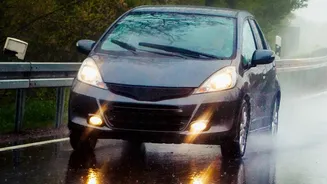
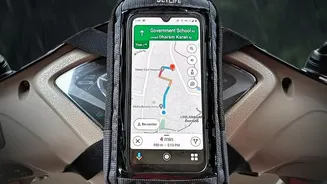
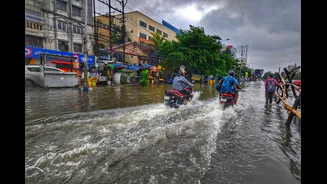
Navigating city streets during a downpour requires a different strategy. Before heading out, check traffic apps and local news for real-time updates on waterlogged roads and diversions. If driving, ensure your car's essentials are in top shape: tyres with good tread, functional wipers, and clear headlights. Never attempt to drive through deep or fast-moving water; it's hard to judge the depth and can cause severe engine damage. For all commuters, wearing footwear with a strong grip is essential to avoid slipping on slick surfaces. Carrying a waterproof bag for your electronics, a change of socks, and a reliable raincoat can make a huge difference in your comfort and safety.
Build a Basic Vehicle Emergency Kit
If you commute by car or two-wheeler, a small kit in your vehicle can be a lifesaver if you get stranded. Essential items include a tow strap, jumper cables, and a powerful, waterproof flashlight. A basic first-aid kit, some dry snacks, and bottled water are also crucial for long waits in traffic jams caused by flooding. For two-wheeler riders, ensuring you have a good quality poncho or raincoat keeps your hands free and body dry. A portable tyre inflator can also save you from being stranded with a flat in a downpour. Before entering any severely waterlogged area in a car, it's a good idea to slightly roll down the windows, as electronic systems can fail and lock the doors.
Prioritise Health and Hygiene
The monsoon brings an increased risk of water-borne and vector-borne diseases. Make it a rule to drink only boiled or filtered water. Be extra cautious about street food, as high humidity and unsanitary conditions can lead to contamination. Prevent mosquitoes from breeding by ensuring there is no stagnant water in or around your home—in coolers, plant pots, or open containers. Using mosquito repellents and nets is also advisable. Frequent hand washing with soap is a simple but highly effective way to prevent the spread of germs that thrive in the damp environment.
Stay Informed and Connected
Information is your best defense against weather-related disruptions. Rely on official sources like the India Meteorological Department (IMD) and local disaster management authorities for weather alerts, rather than unverified rumours on social media. Keep a list of emergency contact numbers handy, including those for local municipal services, and make sure your family members know the plan. Participating in community groups can also be helpful for sharing verified, hyper-local information about waterlogging or power restoration in your immediate area.