

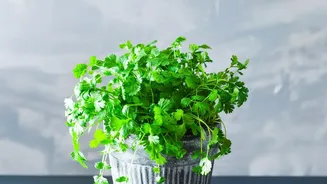

The Allure of the Monsoon Garden
There's a simple magic to watching plants thrive during the rainy season. For urban dwellers, a small herb garden offers a powerful connection to nature amidst the concrete. This trend is about more than just a hobby; it’s a lifestyle choice. It’s about snipping
fresh mint for your evening chai, grabbing a handful of coriander to garnish a dal, or crushing tulsi leaves for a soothing, immunity-boosting tea. The high humidity and cooler temperatures of the monsoon are ideal for the rapid growth of many plants, making it a particularly rewarding time for beginner gardeners to start. The satisfaction of using ingredients you’ve nurtured yourself is immense, adding a layer of freshness and flavour to meals that packaged herbs simply can't match.
Your Monsoon Herb Starter Kit
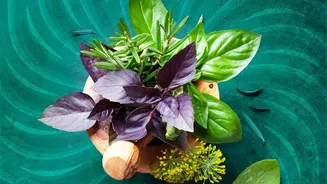
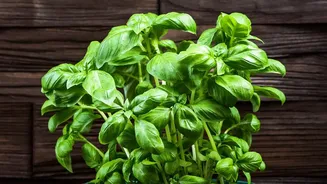
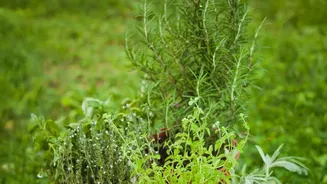
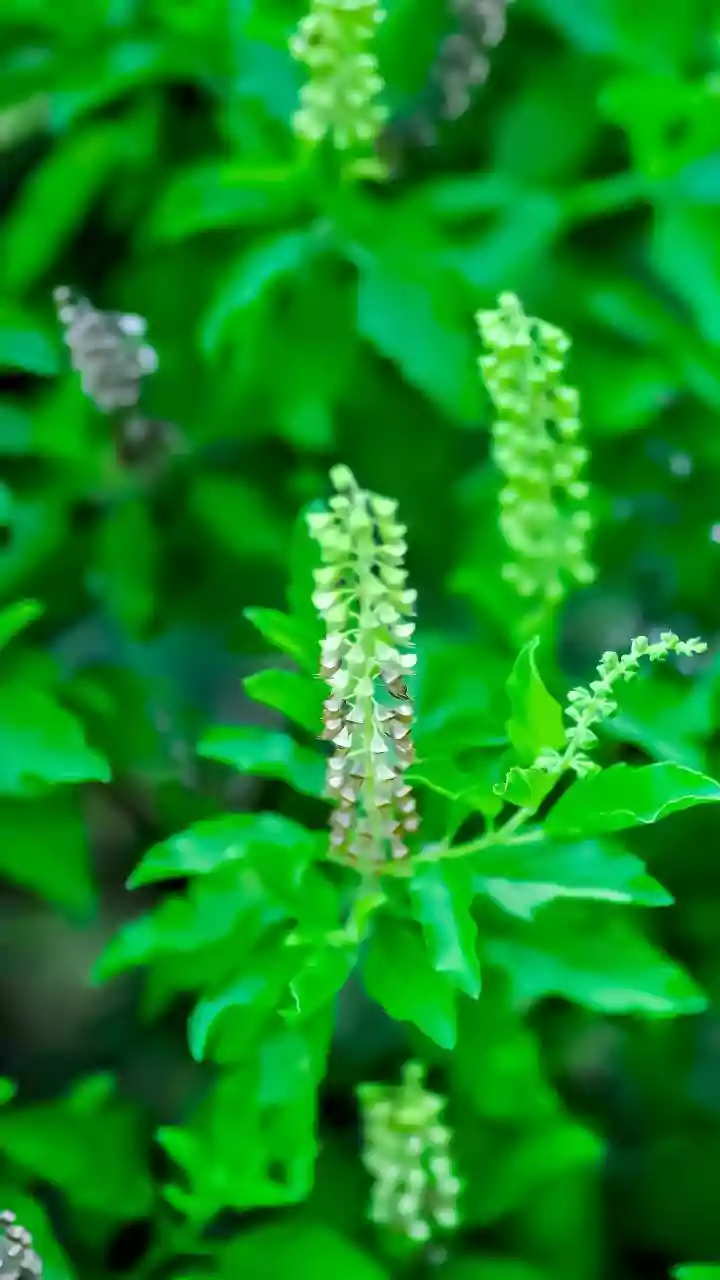
Choosing the right plants is the first step to a flourishing garden. During the monsoon, it's best to select herbs that love moisture but are also resilient. Mint (Pudina) is a fantastic choice, as it grows vigorously in damp conditions. Holy Basil (Tulsi) is another must-have, revered for its medicinal properties and ability to thrive this season. Coriander (Dhania), a staple in Indian kitchens, also does well, giving you access to fresh leaves for daily cooking. Lemongrass is another robust option that enjoys the rain and can be used in teas and Asian-inspired dishes. While these herbs are generally hardy, some, like basil, may benefit from partial shelter to protect their leaves from heavy downpours.
Setting Up for Success: Drainage is Everything
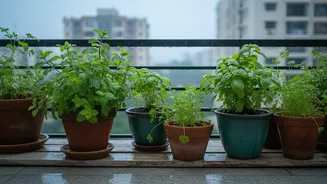
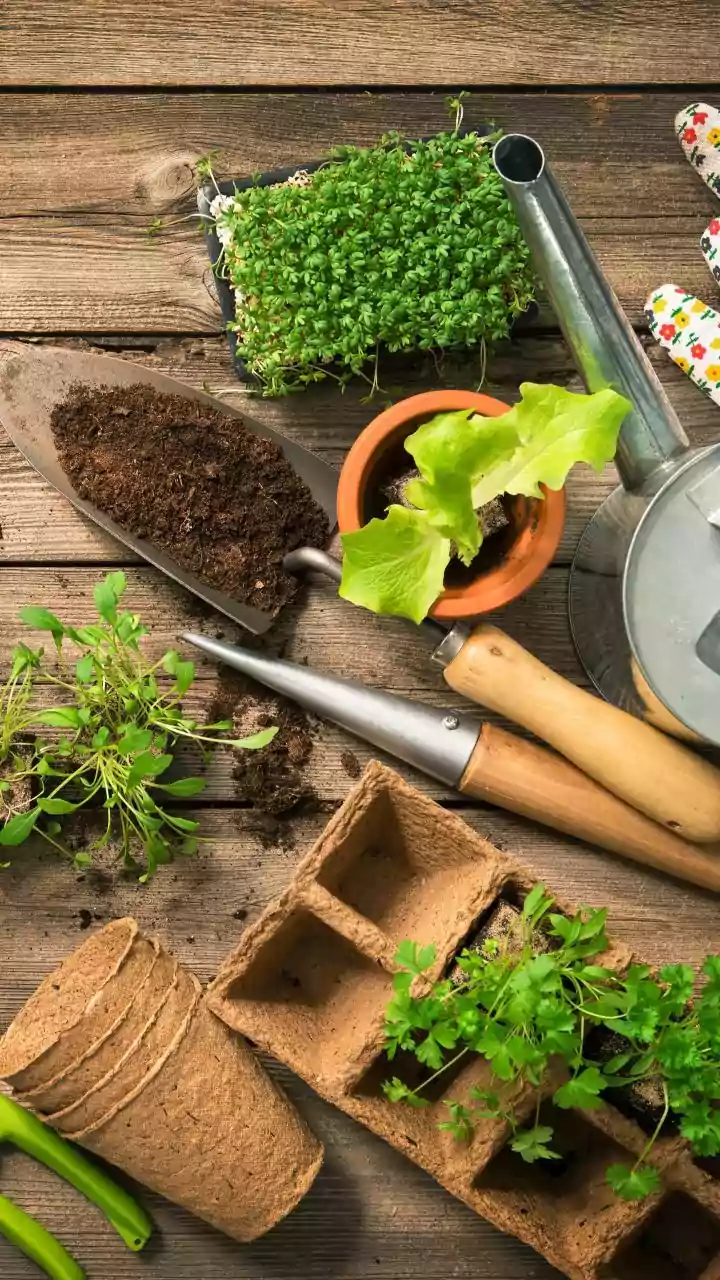
The single most common mistake in monsoon gardening is poor drainage. While the rains provide water, too much of it can lead to waterlogged soil and root rot, which is fatal for plants. Before you even think about planting, ensure your pots have adequate drainage holes at the bottom. It's a great practice to add a layer of small stones or broken pot pieces at the base before adding soil. The right soil mix is equally crucial. Heavy, clay-like soil will retain too much water. Instead, opt for a well-draining potting mix. A reliable combination includes garden soil, compost, and something to improve aeration like coco peat or coarse sand. For balconies, raising your pots on bricks or stands can also prevent them from sitting in puddles after a heavy shower.
Monsoon Care and Maintenance
It might sound counterintuitive, but overwatering is a major risk during the monsoon. Always check the soil before you water. A simple finger test works best: if the top inch of soil feels dry, it's time to water; if it's damp, wait another day. The high humidity also creates a perfect environment for pests and fungal diseases. Keep a close watch for common pests like aphids and mealybugs. Good air circulation is one of your best defenses against fungus, so avoid crowding your plants too closely together. Regularly remove any yellowing leaves or dead flowers to maintain plant hygiene and prevent the spread of disease. A preventive weekly spray of organic neem oil can also help keep many common pests and fungal issues at bay.
Reaping Your Fresh Rewards
Harvesting is the most satisfying part of the process. Regular trimming not only provides you with fresh herbs but also encourages the plants to grow bushier and more productive. For leafy herbs like mint and basil, simply snip off the top leaves as needed. This will signal the plant to produce more side shoots, resulting in a fuller plant. For coriander, you can harvest the outer leaves first, allowing the inner leaves to continue growing. The flavours are most potent when herbs are freshly picked. The vibrant taste of homegrown pudina in a chutney or the sharp aroma of freshly plucked curry leaves in a tadka is a simple luxury that a monsoon herb garden makes possible every day. Don't hesitate to experiment and incorporate your fresh harvest into salads, drinks, and everyday meals for an instant upgrade in flavour and nutrition.