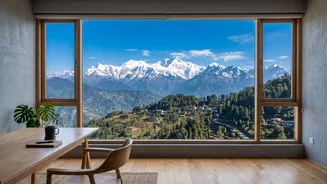



The Allure of a Monsoon Workstation
The traditional view of monsoon in the Himalayas involves landslides and washed-out plans. However, for a growing number of digital professionals, this season offers a unique appeal. Travel trends show a significant increase in monsoon travel, with people
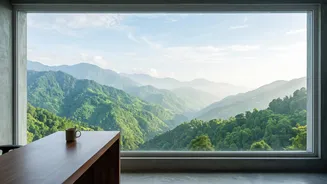
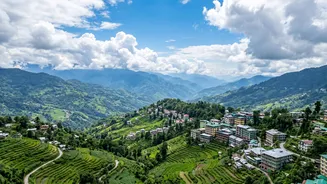
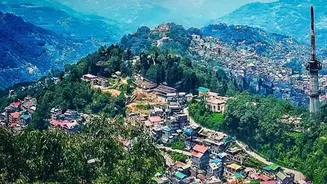
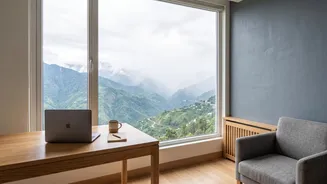
drawn to the cooler weather and lush, green landscapes. In Gangtok, the rainy season means fewer tourists, lower prices, and a peaceful, mist-covered atmosphere that many find perfect for deep, focused work. Instead of the distractions of a bustling tourist town, the monsoon provides a quiet, serene backdrop, transforming the city into a haven for productivity and relaxation. The sound of rain becomes a natural soundtrack for coding, writing, and creative thinking.
Community, Code, and Co-Living
For remote workers, loneliness can be a significant challenge. Gangtok’s emerging co-living and workation hubs address this directly. Hostels and hotels are adapting to this new demographic, offering long-stay packages that foster a sense of community. These spaces become melting pots for freelancers, entrepreneurs, and employees from various tech companies. It’s a culture where days are spent on individual projects, but evenings are for shared meals, skill-sharing workshops, and exploring the local scene together. This blend of privacy and social interaction is a powerful draw, creating an environment where professional networking happens organically over a cup of local tea or a walk down a rain-washed MG Marg.
The Digital Nomad's Essentials: Connectivity and Comfort
A workation is only viable if the infrastructure supports it. Gangtok has become a reliable hub in the Northeast, offering surprisingly robust digital connectivity. High-speed fibre broadband is increasingly available in the main town area, and major mobile network providers like Airtel and Jio offer strong 4G coverage. Many work-friendly hotels, cafes, and dedicated co-living spaces provide power backup, a crucial feature given the possibility of weather-related electricity cuts. This reliable digital backbone allows tech workers to perform high-demand tasks, from video conferences to large file transfers, without the interruptions common in other mountain towns. The availability of quiet cafes with charging points further enhances the city's appeal as a remote office.
A Financially Savvy Escape
Beyond the aesthetic and community aspects, choosing Gangtok is also a practical financial decision. The cost of living, especially during the monsoon off-season, can be significantly lower than in major metropolitan hubs like Bengaluru or Mumbai. Rent for a comfortable apartment is reasonable, and co-living spaces offer affordable all-inclusive packages. Furthermore, with fewer tourists, prices for accommodation and other services are often discounted. For a tech worker earning a city salary, the ability to save money while enjoying a higher quality of life—with cleaner air, organic food, and stunning natural beauty—is a compelling proposition.
Beyond the Desk: Weekend Exploration
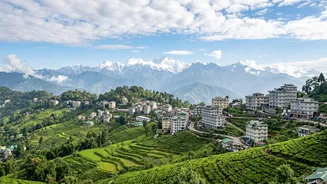
The workation lifestyle is not just about work. Gangtok serves as a perfect base for weekend adventures. While heavy monsoon might restrict travel to very remote areas like North Sikkim, East and South Sikkim remain largely accessible. Tech workers can spend their weekdays focused on deadlines and their weekends exploring nearby monasteries, lush tea gardens like Temi, and viewpoints offering ethereal, cloudy vistas. This balance of intense work and rejuvenating travel is at the core of the workation appeal. It allows professionals to recharge their creativity by immersing themselves in a new culture and environment, returning to their desks on Monday morning inspired and refreshed.