






Makhana: The Traditional Snack Gets a Modern Makeover
Once reserved for religious ceremonies and fasting days, makhana (fox nuts) has spectacularly re-emerged as an everyday superfood snack. Roasted, seasoned, and packaged in a variety of modern flavours, it's now a mainstream alternative to fried namkeens
and potato chips. This shift is driven by a growing desire for healthy, guilt-free snacking. Makhana is low-calorie, rich in protein and essential minerals, and has a low glycemic index, making it a powerful nutritional package. Its resurgence highlights a broader trend: a return to traditional Indian food wisdom for modern wellness solutions, with consumers rediscovering the benefits of ingredients that have been part of our culture for centuries.
Greek Yoghurt: The Protein-Packed Staple
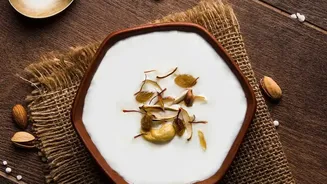
In a country where dahi is a dietary staple, Greek yoghurt has successfully carved out a premium niche. Its appeal lies in its thick, creamy texture and, most importantly, its high protein content—often double or triple that of regular curd. This has made it a favourite among fitness-conscious urban consumers, who see it as a functional food for muscle recovery, satiety, and weight management. Brands have expanded from simple, unflavoured tubs to a wide array of options, including those with fruit, oats, and seeds. The rise of Greek yoghurt shows how global health trends are being adapted for the Indian palate, with protein emerging as a key priority for shoppers.
Millets and Quinoa: The Grain Revolution
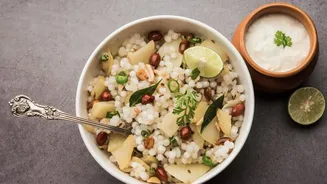
The grain aisle is experiencing a significant shake-up. On one hand, global superfoods like quinoa have become popular among health-conscious urbanites for their complete protein profile. On the other, there is a massive government-backed resurgence of indigenous millets like ragi, jowar, and bajra. These ancient grains are being hailed for their nutritional benefits, drought resistance, and role in sustainable agriculture. No longer just traditional staples, millets are now found in everything from breakfast cereals and dosa mixes to cookies and bread, representing a powerful movement to rediscover and promote local agricultural heritage.
Plant-Based Milks: The Rise of Dairy Alternatives
The beverage section of the supermarket is looking different, with plant-based milks like almond, soy, and oat milk gaining significant shelf space. This trend is driven by a combination of factors, including rising lactose intolerance, ethical considerations around veganism, and a general perception of these alternatives as a healthier choice. While soy milk has long been available, newer entrants like oat and almond milk are particularly popular among Gen Z and millennial consumers in metros, often influenced by global cafe culture and wellness influencers. Though still a niche market compared to dairy, its rapid growth points to an increasing willingness among Indian consumers to experiment with non-traditional options.
Functional Beverages: Drinks With a Purpose
Today’s consumers are looking for more from their beverages than just refreshment. This has fuelled the boom in functional drinks. Kombucha, a fermented tea packed with probiotics, has gone from a niche health-store item to a trendy drink available in cafes and supermarkets, prized for its gut-health benefits. Alongside it, cold-pressed juices retain their appeal for offering a quick dose of vitamins without added sugars. This category reflects a clear shift away from sugary, carbonated soft drinks towards beverages that offer tangible wellness benefits, from improved digestion to a stronger immune system.
Avocado & Exotic Produce: A Taste of Global Trends
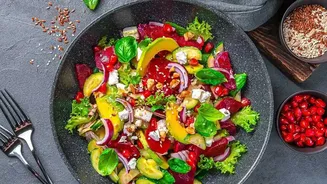
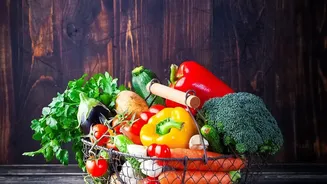
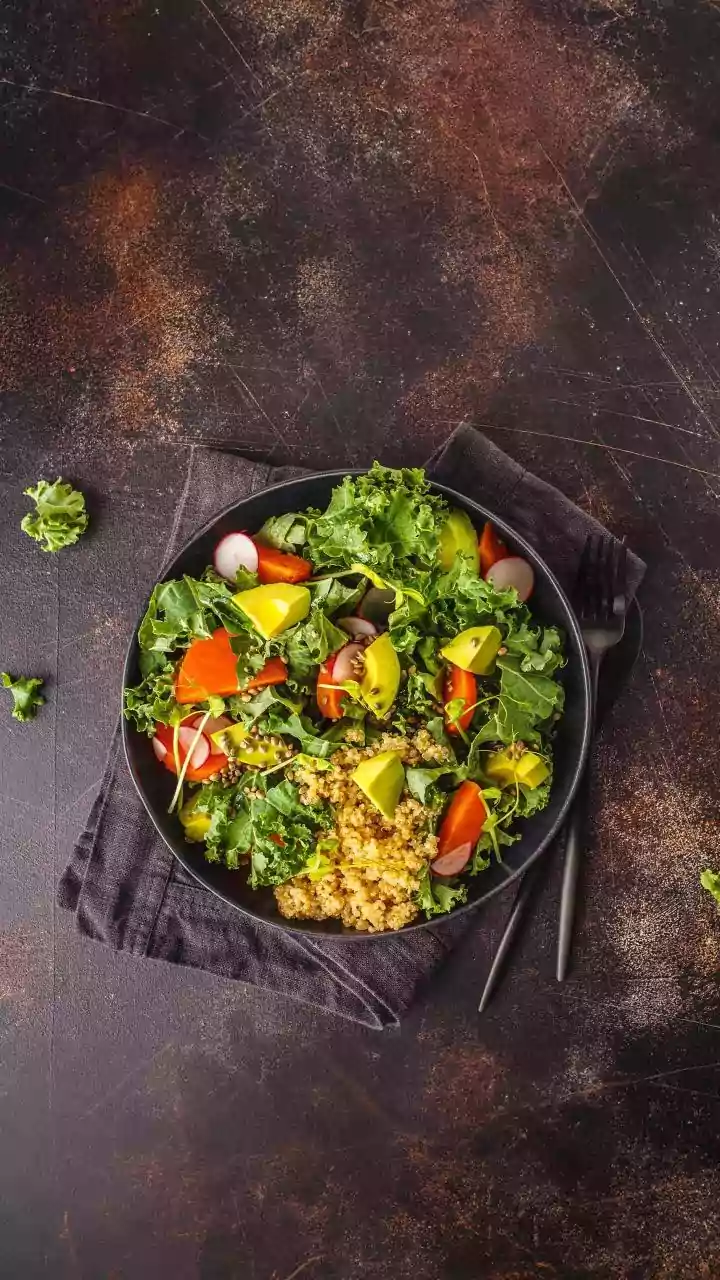
Once a rare import, the avocado is now a common sight in urban grocery stores and on cafe menus. Its popularity is a testament to the power of social media and global food trends, with its creamy texture and healthy fats making it a photogenic symbol of a modern, wellness-oriented lifestyle. This trend extends to other previously exotic items like kale, broccoli, and various berries. The increasing availability of these products, some of which are now being cultivated locally, shows how the Indian consumer's palate has become more global and adventurous, driven by higher disposable incomes and greater exposure to international cuisines.