

The Allure of Mulshi
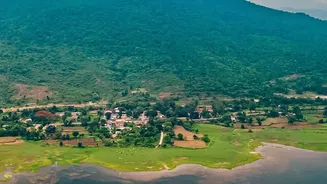
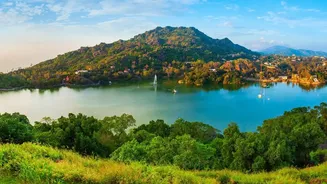
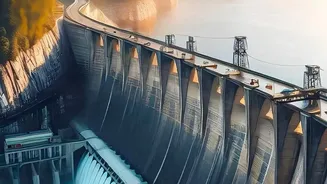
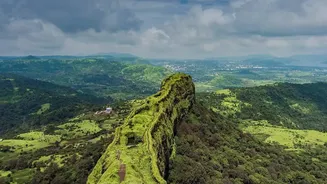
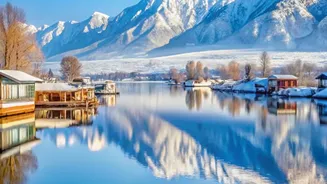
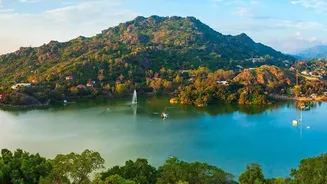
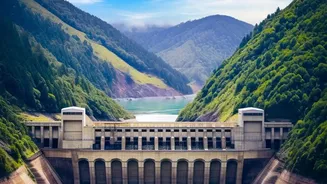
Mulshi is more than just a body of water; it's an experience. The main attraction is the Mulshi Dam on the Mula River, which forms the sprawling lake. Surrounded by rolling green hills and dense forests, the area transforms into a vibrant paradise during
the monsoon. It's an eco-tourism hotspot, perfect for those seeking peace, a bit of adventure, or simply a scenic backdrop for photography. The calm waters and quiet hamlets provide a stark, welcome contrast to city life, making it a favoured weekend destination for Punekars and Mumbaikars alike.
Reaching Your Lakeside Escape
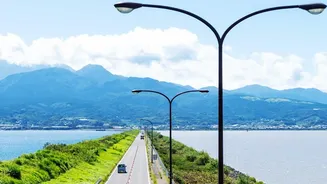
Getting to Mulshi is a breeze, especially from Pune, which is about 40-50 kilometres away. The most common and recommended route is a 1 to 1.5-hour drive via Paud Road, which takes you through scenic landscapes. For those coming from Mumbai, the journey is around 130-150 kilometres and takes approximately 3 to 4 hours via the Mumbai-Pune Expressway, exiting towards Hinjewadi and following the road to Mulshi. While a private car or bike offers the most flexibility for exploring the area, state transport buses also run to nearby villages, from where you can take local transport.
A Journey Through Tamhini Ghat
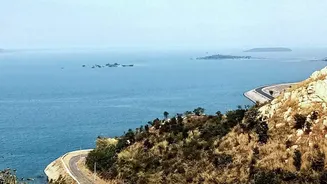
The road to Mulshi is part of the destination itself, largely thanks to the stunning Tamhini Ghat. This mountain pass, which connects Pune to the Konkan coast, begins just past Mulshi Dam. During the monsoon, this 15-kilometre stretch is nothing short of magical, with countless waterfalls cascading down the hillsides and mist clinging to the lush greenery. The drive offers breathtaking viewpoints of the valleys and the backwaters. Food stalls emerge along the route, offering hot corn on the cob and fritters, perfect for a brief stop to soak in the views.
Adventures Beyond the Shoreline
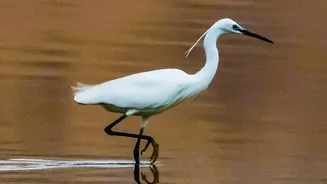
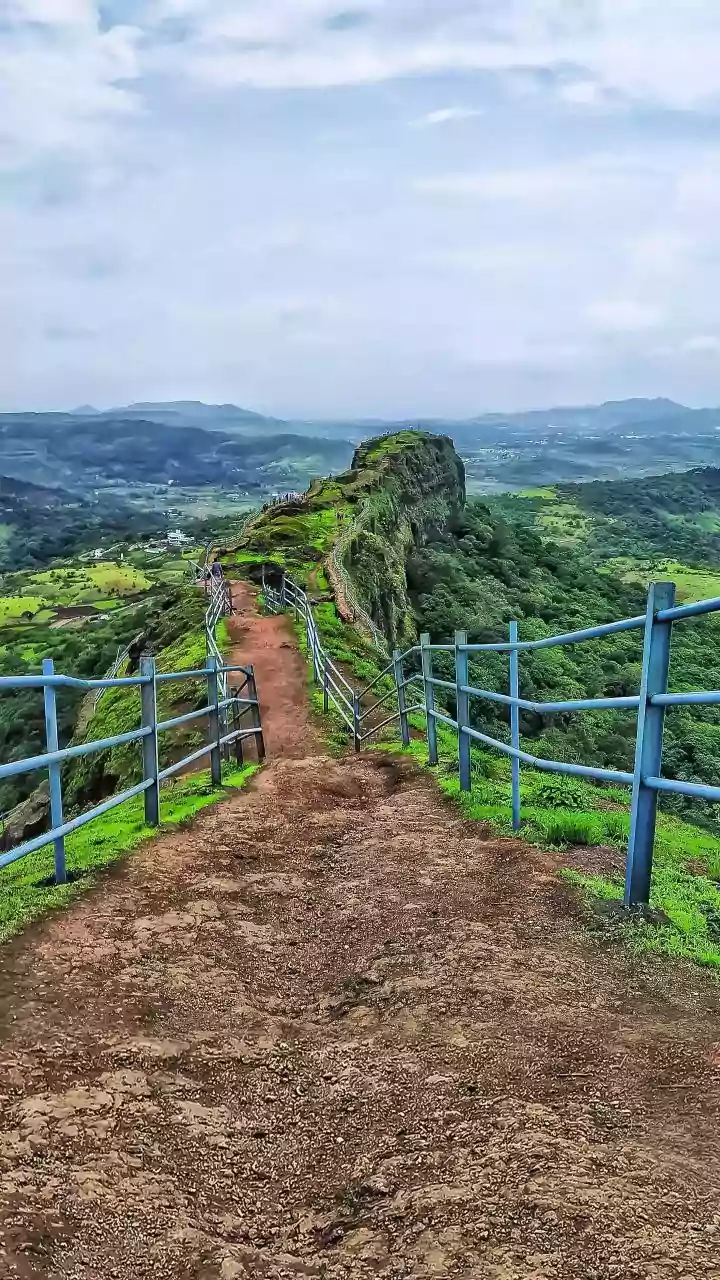
While the lake is the centrepiece, the region is ripe for exploration. For trekking enthusiasts, the Andharban trail is a must-do. Meaning 'dark forest', this 13-kilometre trek descends through a dense jungle canopy, offering stunning views and the chance to cross several streams. The trail starts from Pimpri village near Tamhini Ghat and ends at the Bhira Dam. History buffs can explore nearby forts like Koraigad and Ghangad. For a less strenuous activity, birdwatching is popular, with kingfishers and herons often spotted by the lake.
Best Time to Visit
Mulshi's charm varies with the seasons. The monsoon months, from June to September, are when the region is at its most vibrant and scenic, with full waterfalls and electric green landscapes. This is the peak time for tourists who come for the dramatic scenery. For those who prefer clearer skies and pleasant weather for outdoor activities like trekking and camping, the post-monsoon period from October to February is ideal. The landscape remains lush, and the climate is cool and comfortable. Summer, from March to May, is hotter and drier, but offers a quiet, crowd-free experience with lower prices for accommodation.
Where to Stay and Eat
Accommodation in Mulshi caters to a wide range of preferences and budgets. Options include luxury resorts with spas and infinity pools, cosy boutique hotels, and rustic farm stays or agro-tourism centres that offer a more local experience. Many properties offer stunning views of the lake or are nestled in the surrounding hills. For dining, many resorts have their own restaurants. You'll also find local eateries in the villages around Paud and Mulshi serving traditional Maharashtrian cuisine, giving you a taste of the regional flavours.