





North India: Clear Skies and Pleasant Days
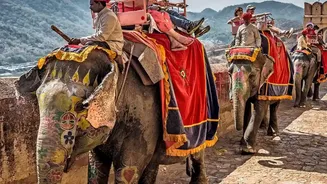
For much of North India, including the popular Golden Triangle circuit of Delhi, Agra, and Jaipur, October brings cause for celebration. The heavy monsoon rains are a memory, replaced by clear blue skies, abundant sunshine, and significantly lower humidity.
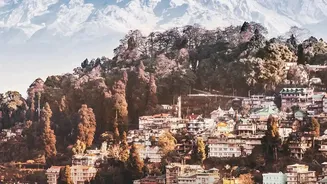
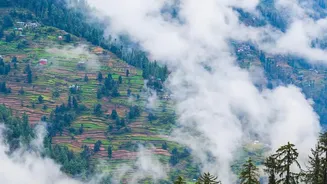
Daytime temperatures are comfortably warm, typically hovering around 30-34°C, while nights become pleasantly cool, dropping to around 19-25°C. This makes it an ideal time for sightseeing, exploring majestic forts in Rajasthan, and enjoying outdoor markets. In the Himalayan states like Himachal Pradesh and Uttarakhand, the weather is crisp and clear, offering stunning mountain views before the deep chill of winter sets in. Expect daytime temperatures in the mid-20s, but be prepared for cold nights.
South India: The Second Monsoon Arrives
While the north rejoices, South India prepares for a different weather pattern: the Northeast Monsoon, also known as the retreating monsoon. This weather system primarily affects the southeastern coast, bringing significant rainfall to states like Tamil Nadu and parts of Kerala and Andhra Pradesh from October through December. Travellers heading to cities like Chennai can expect frequent, and sometimes heavy, afternoon showers and thunderstorms. However, it doesn't mean a total washout. Mornings are often clear, and the rain brings a fresh, green vibrancy to the landscape. On the western side, in Goa and most of Kerala, the main monsoon has ended, but humidity remains high and occasional showers are still possible, especially early in the month.
West and Central India: Lingering Warmth
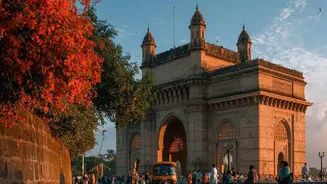
In western and central regions, such as Mumbai, Gujarat, and Madhya Pradesh, the southwest monsoon has fully withdrawn by October. This leaves behind sunny and dry conditions. However, the 'October Heat' is a well-known phenomenon in these parts, particularly in coastal cities like Mumbai. While the torrential rain is gone, temperatures can remain high, often in the low to mid-30s Celsius, coupled with noticeable humidity before the cooler, drier winter air establishes itself. This period is generally good for travel, as the national parks in central India, like Kanha and Bandhavgarh, begin to reopen after the monsoon-enforced closure.
East and Northeast India: A Mixed Blessing
Eastern India, including cities like Kolkata, sees a significant drop in rainfall and humidity, making it a wonderful time to visit. The weather becomes pleasantly warm and dry, perfectly timed for the grand Durga Puja celebrations that engulf West Bengal. Further into the Northeast, in states like Assam and Meghalaya, the weather story is similar. The monsoon rains, which are famously intense in this region, taper off, leaving behind lush, vibrant green landscapes. It's an excellent time for trekking and wildlife spotting, as national parks like Kaziranga reopen to visitors. While some light, scattered showers can still occur, especially at the beginning of the month, the overall trend is toward clear, dry, and comfortable conditions.
Packing for the Paradox
Packing for India in October requires a 'slice of everything' approach due to the stark regional differences. For the north and central plains, lightweight and breathable cottons are perfect for the day, but a light jacket or fleece is essential for the cool evenings, especially in Rajasthan's desert. For the south and east, quick-drying fabrics are your friend. A reliable waterproof jacket or an umbrella is non-negotiable. If your itinerary includes the Himalayas, you'll need to pack in layers, including thermals and a proper warm jacket for the cold nights. Across all regions, comfortable walking shoes, sunscreen, and a hat are must-haves. For cities in the northern plains like Delhi, consider packing N95 masks, as air quality can deteriorate in late October.