




The Perfect Planting Window
The post-monsoon period, from October through February, is often considered a peak gardening season in many parts of India. The oppressive heat has subsided, and the air is less humid, creating ideal conditions for a wide variety of plants to flourish
without the stress of extreme weather. After weeks of rain, your garden might look a bit worn out, with compacted soil and overgrown greens. This transitional period is the perfect opportunity to refresh your space, loosen the soil, and introduce new plants that will thrive in the cooler, brighter days ahead.
Choosing Your Colourful Companions
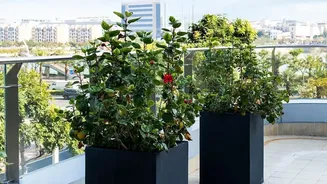
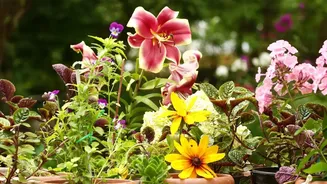
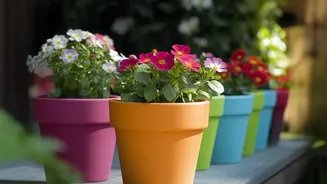
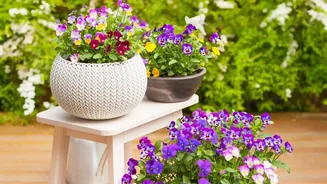
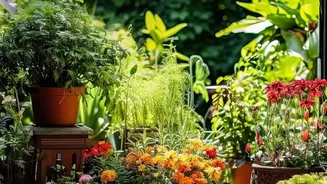
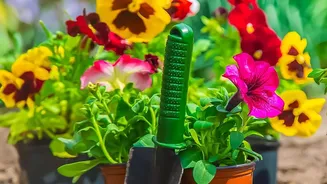
To get that instant dose of colour, winter flowering annuals are your best bet. Marigolds are a classic and easy choice, bringing bright yellows and oranges to any space. Petunias, Dianthus, and Chrysanthemums are also fantastic options that bloom profusely in the milder winter sun, available in a wide spectrum of colours from pinks and purples to whites and reds. Many of these flowers are not just beautiful but also fragrant; Dianthus offers a clove-like scent, while some Petunias release a soft fragrance in the evening. For year-round colour, dwarf hibiscus varieties can also be a great, low-maintenance choice for balconies.
Growing Your Own Flavours
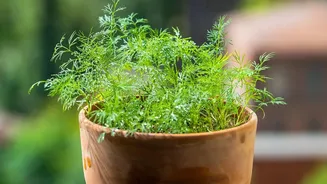
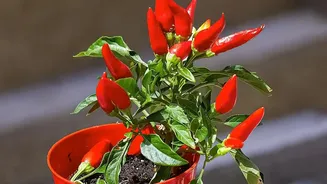
A balcony garden can be as productive as it is beautiful. This season is perfect for growing essential kitchen herbs and vegetables. Coriander (dhania), mint (pudina), and spinach (palak) grow quickly in containers and love the cooler weather. These leafy greens are relatively low-maintenance and can be harvested within weeks. For something more substantial, try growing cherry tomatoes or green chillies; these are beginner-friendly options that do well in pots, provided they get about 4-6 hours of sunlight. Starting with a few easy edibles can provide the satisfaction of harvesting your own fresh produce for daily meals.
The Foundation: Pots and Soil
The success of a container garden lies in its foundation: the potting mix. Simply using garden soil is often too heavy and can lead to waterlogging. A good, light potting mix provides aeration, drainage, and nutrients. You can create your own by mixing garden soil, cocopeat (for moisture retention), and compost or vermicompost (for nutrients). A common recipe is one part soil, one part cocopeat, and one part compost. Adding a small amount of sand or perlite can further improve drainage. Ensure every pot has drainage holes at the bottom to prevent root rot, a common issue in potted plants.
Caring for Your Green Oasis
Post-monsoon plant care requires a slight adjustment in your routine. With lower humidity, you may need to water more regularly than during the rains, but it's crucial to avoid overwatering. A simple rule is to stick your finger an inch into the soil; if it feels dry, it's time to water. Observe your balcony's sunlight patterns. East-facing balconies with gentle morning sun are great for herbs, while south-facing ones with stronger light suit flowering plants. Regularly remove any dead leaves to keep plants healthy and prevent pests.
A Sanctuary for Your Well-being
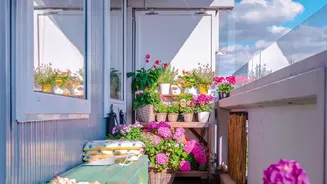
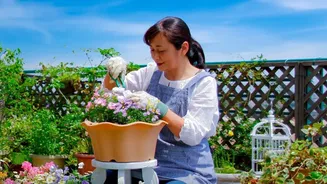
Beyond the aesthetics, nurturing a garden has proven benefits for mental health. The simple act of caring for plants can lower stress, improve mood, and reduce anxiety. It provides a gentle routine and a sense of purpose and accomplishment. Engaging with the colours, textures, and smells of a garden grounds you in the present moment. Even just 10-30 minutes spent tending to your plants can lead to a calmer, more relaxed state of mind. Your balcony is more than just an architectural feature; it can be a restorative space that nurtures both plants and your own well-being.