






Turmeric: The Golden Immunity Shield
A staple in every Indian kitchen, turmeric (haldi) is a powerhouse during the rainy season. Its active compound, curcumin, has potent anti-inflammatory, antioxidant, and antimicrobial properties that help your body fend off seasonal infections. The damp
weather can make you more susceptible to colds and coughs, and a daily dose of turmeric can significantly bolster your defences. Adding it to dals, vegetables, or a warm glass of milk before bed is an easy way to incorporate this golden spice. For maximum benefit, always pair it with a pinch of black pepper, which enhances the absorption of curcumin.
Ginger: The Digestive Aid and Sore Throat Soother
Ginger (adrak) is another monsoon essential, traditionally used to tackle digestive issues and respiratory ailments that are common during this time. Ayurveda suggests that our digestive fire (Agni) weakens in the monsoon, leading to bloating and indigestion. Ginger helps stimulate digestion and provides relief. Its anti-inflammatory compound, gingerol, is effective in soothing sore throats and fighting the infections that cause them. A warm cup of ginger tea, often infused with tulsi or honey, is a classic monsoon comfort drink that provides both warmth and wellness.
Garlic: Nature’s Antibiotic
Known for its strong flavour and potent medicinal properties, garlic (lehsun) is an invaluable addition to your monsoon diet. It is celebrated for its natural antiviral and antibacterial capabilities, making it a strong ally for your immune system. Consuming garlic regularly can help protect against common monsoon illnesses like the flu and stomach infections. Adding freshly crushed or chopped garlic to your soups, stir-fries, and curries not only enhances flavour but also fortifies your body’s natural defence mechanisms against pathogens that thrive in the humid climate.
Gourds: Light, Healthy, and Easy to Digest
Vegetables like bottle gourd (lauki), bitter gourd (karela), and ridge gourd (turai) are ideal for the rainy season. According to both Ayurveda and modern nutrition, these vegetables are light and easy on the digestive system, which is crucial when metabolism is sluggish. Bitter gourd, in particular, is known for its immunity-boosting properties and ability to keep infections at bay. Bottle gourd, with its high water content, is hydrating and easy to cook. Opting for these cooked gourds over leafy greens, which can harbour germs and dirt in the monsoon, is a wise choice for preventing stomach issues.
Moong Dal: The Protein-Packed Gut Healer
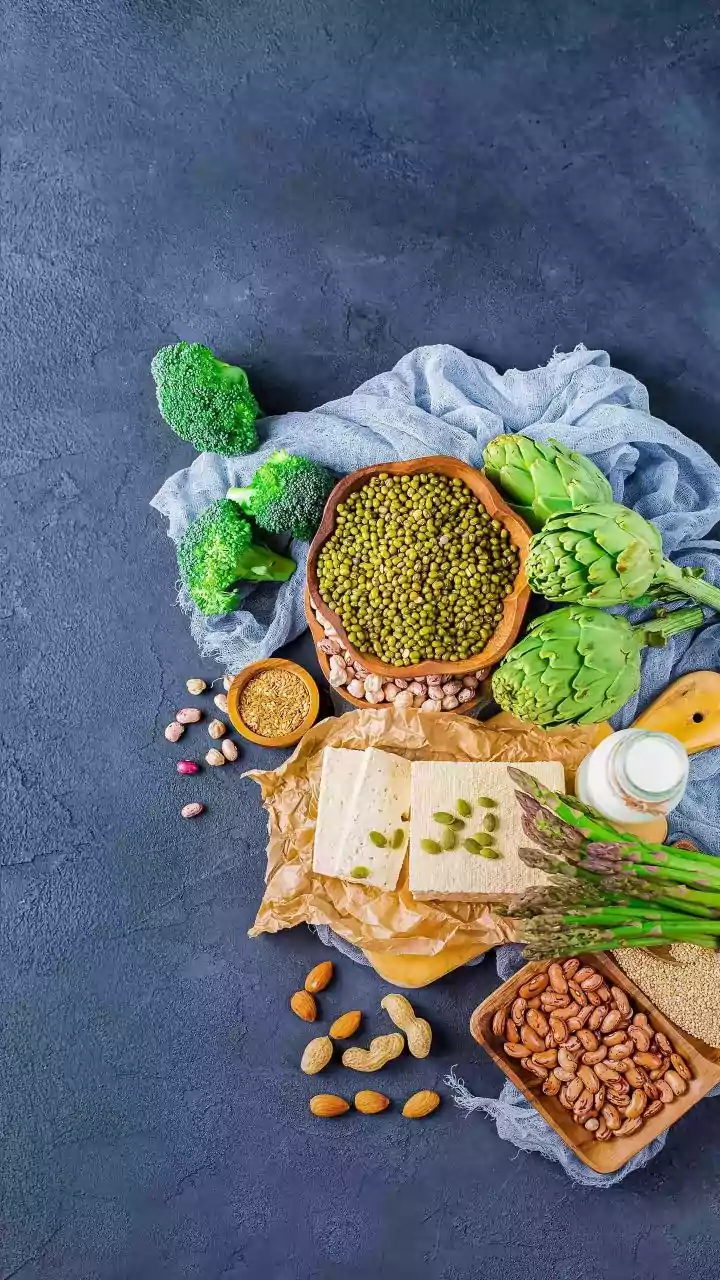
Moong dal is highly recommended during the monsoon because it is one of the most easily digestible lentils. It provides essential protein for building immunity and repairing body tissues without overburdening the digestive system. A warm bowl of khichdi, made with rice and moong dal, is considered a perfect monsoon meal in Ayurveda as it is nourishing, light, and balances the system. Soups and cheelas made from moong dal are other excellent ways to enjoy its benefits while keeping your meals comforting and healthy.
Seasonal Fruits: Pomegranate and Jamun
While many fruits are available, pomegranate (anaar) and jamun are particularly beneficial during the monsoon. Pomegranate is packed with antioxidants and vitamin C, which are crucial for a strong immune response. Jamun, a classic monsoon fruit, is also rich in vitamin C and iron, aiding in digestion and helping to keep infections away. Unlike water-heavy fruits like watermelon, which can weaken digestion according to Ayurveda, these options provide essential nutrients without compromising gut health.