
A Cuisine Shaped by the Desert
To understand Rajasthani food, you must first understand the land itself. A largely arid, desert state with scarce water and few fresh green vegetables, its cuisine was born from necessity. This environment forced cooks to be incredibly creative, relying
on ingredients that could be stored for long periods. Lentils, gram flour (besan), millet, and an abundance of dairy products like milk, buttermilk, and ghee became the foundations of the diet. Rather than being a limitation, these constraints sparked a culinary revolution, resulting in dishes with robust, layered flavours that don't depend on a constant supply of fresh produce. A 2014 survey found that Rajasthan has the highest percentage of vegetarians in India, at nearly 75%, a tradition upheld by communities like the Marwaris, Jains, and Bishnois.
The Thali: A Universe on a Platter
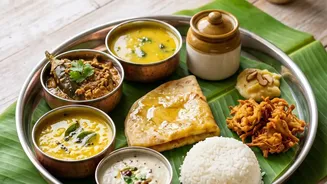
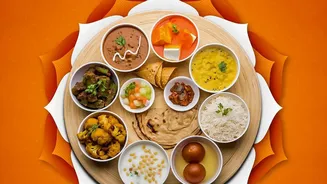
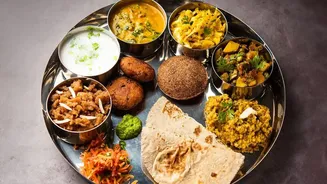
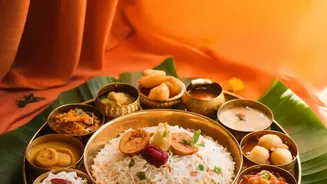
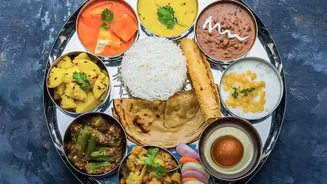
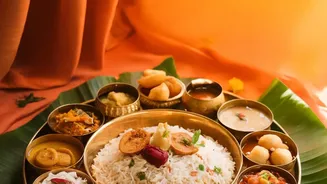
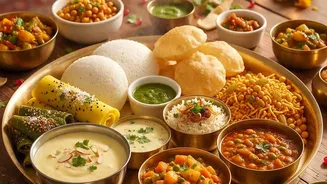
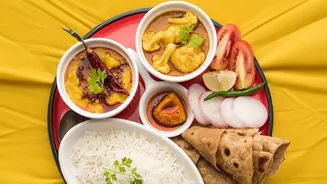
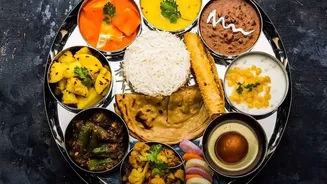
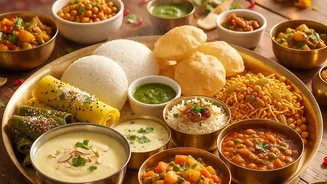
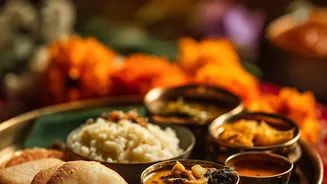
The best way to dive into this world is through a Rajasthani thali, a platter that serves as a complete meal and a map of the region's flavours. At its centre is the iconic Dal Baati Churma. The 'baati' is a hard, unleavened bread roll traditionally baked in the embers of a fire, a method born from the needs of Rajput warriors who required food that could last for days on the battlefield. This dense, flaky bread is broken apart and drenched in 'dal', a spicy lentil curry often made from a mix of five different lentils (panchmel dal). The trio is completed with 'churma', a sweet powder made from crushed baatis mixed with ghee and sugar or jaggery, perfectly balancing the savoury and spicy elements of the meal.
Beyond the Baati: A Tour of Tastes
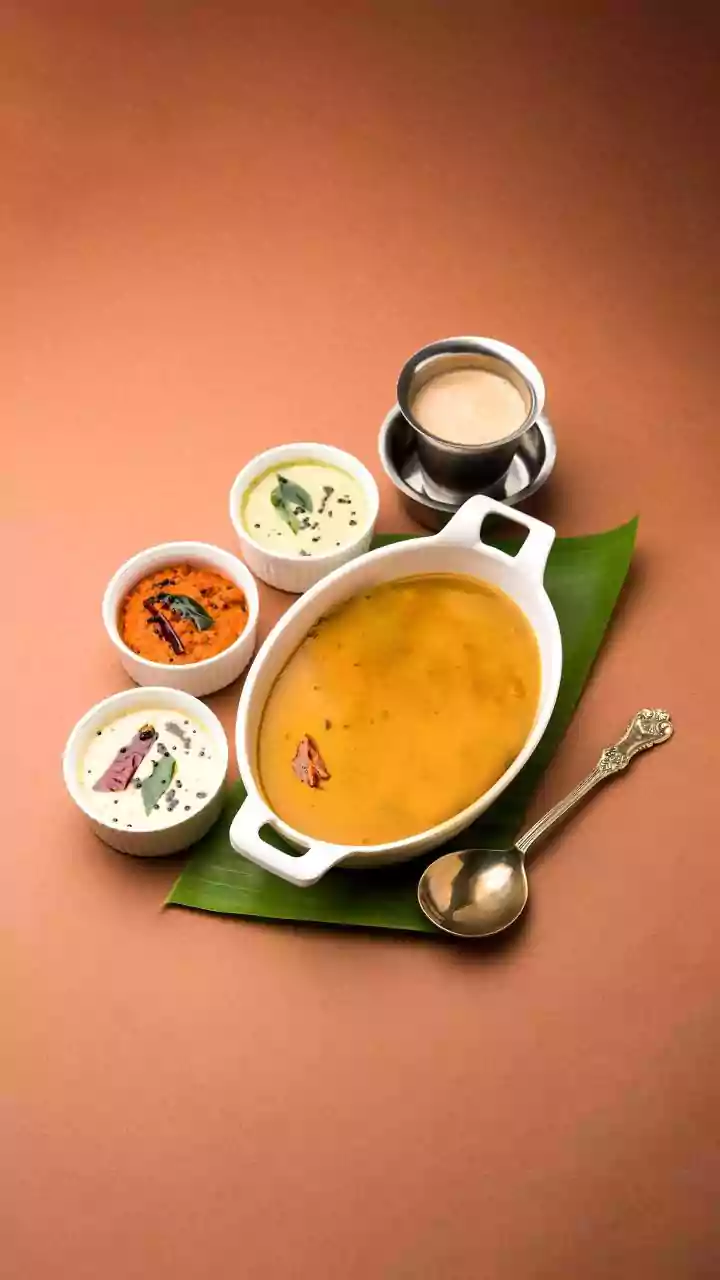
A true Rajasthani thali is a feast that extends far beyond Dal Baati. One of the stars is Gatte ki Sabzi, a curry where steamed gram flour dumplings are simmered in a tangy yogurt-based gravy. Another unique dish is Ker Sangri, a subzi made from dried desert berries (ker) and beans (sangri) that grow wild in Rajasthan. These are soaked and cooked with an array of spices, creating a tangy, spicy flavour that is impossible to find anywhere else. These dishes showcase the local genius for creating satisfying meals from durable ingredients. The thali is rounded out with other delights like kadhi, various rotis made from millet (bajra) or corn, spicy chutneys, and papads.
The Irresistible World of Snacks
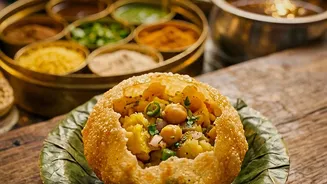
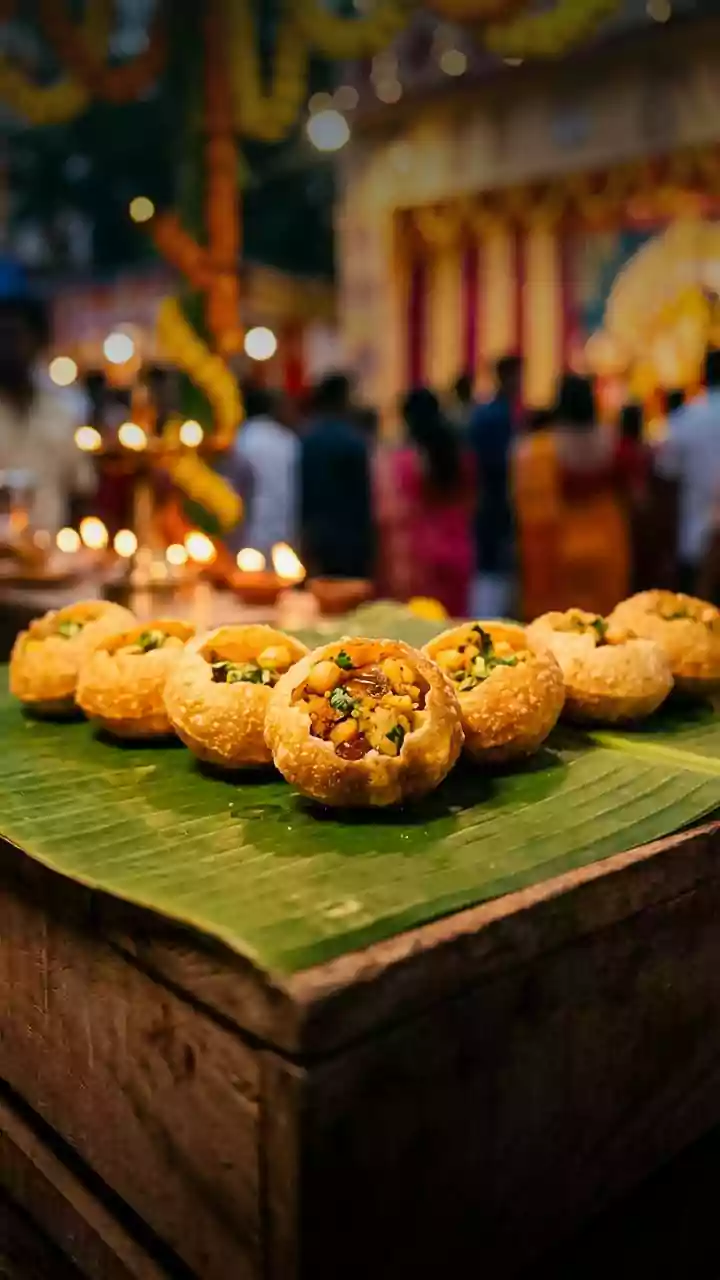
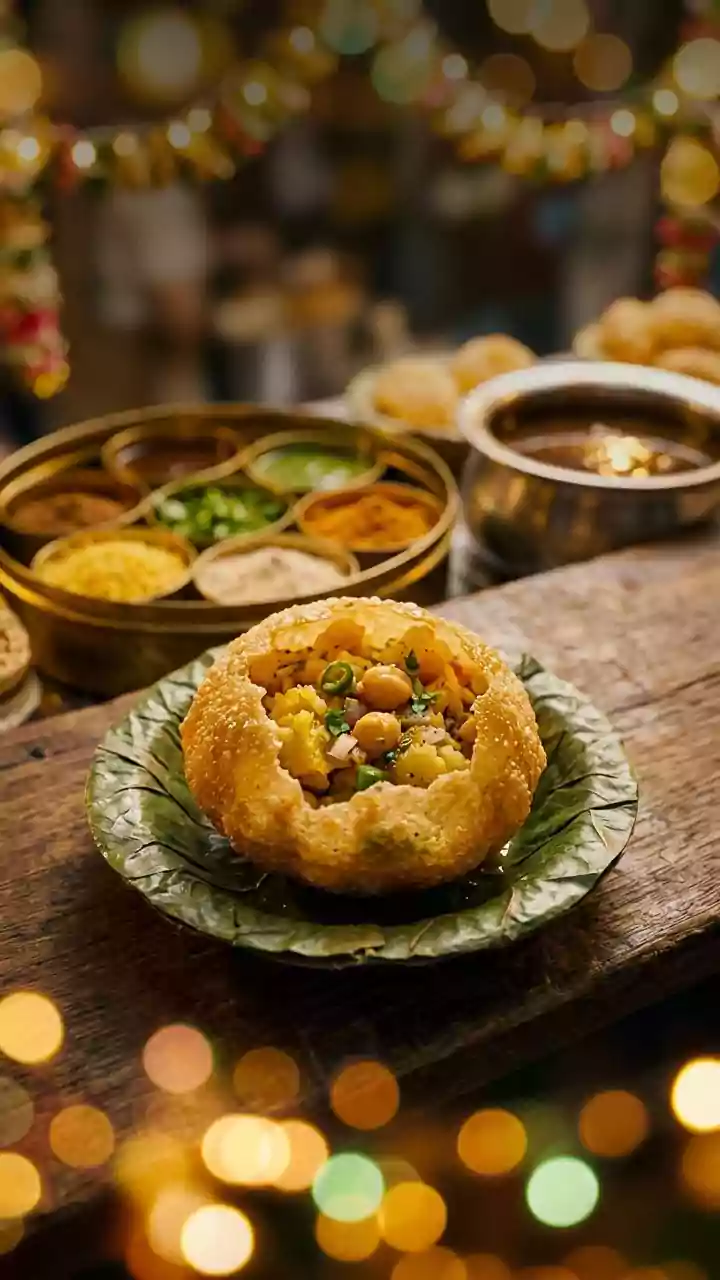
The culinary story doesn't end with main courses. Rajasthan's snack culture is just as vibrant. In cities like Jodhpur and Jaipur, the morning and evening hours are defined by the aroma of freshly fried goodies. Two must-try items are Pyaaz ki Kachori and Mirchi Vada. The Pyaaz ki Kachori is a flaky, deep-fried pastry stuffed with a fragrant and spicy onion filling, often served with tamarind chutney. The Mirchi Vada consists of a large, milder green chilli stuffed with a spicy potato mixture, coated in gram flour batter, and fried to golden perfection. These snacks are not just quick bites; they are an integral part of daily life, enjoyed with a cup of tea, especially during the monsoon season.
A Sweet and Royal Finish
No Rajasthani meal is complete without a taste of its legendary sweets. Many desserts are linked to festivals and royal traditions. Ghevar, a disc-shaped sweet made from flour and soaked in sugar syrup, is a monsoon specialty. Malpua, small, deep-fried pancakes drenched in syrup, are a festive favourite, particularly in Pushkar. These sweets, often rich with ghee and nuts, are a testament to the culture of generosity and celebration that coexists with the land's austerity. From the warrior's practical meal to the trader's intricate vegetarian feasts, every dish tells a story of survival, innovation, and flavour.