



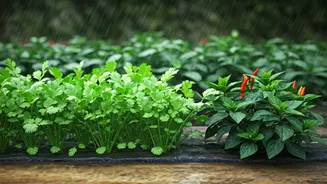


Why Containers Are Your Monsoon Best Friend
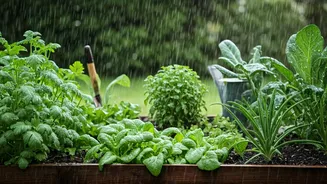
Traditionally, monsoon gardening in open soil can be a gamble. Heavy rains lead to waterlogged soil, which suffocates roots and invites fungal diseases. This is where containers completely change the game. They offer superior drainage, allowing excess
water to escape freely. You have complete control over the soil composition, ensuring it's light and airy rather than dense and muddy. Furthermore, containers are portable. If a sudden, intense downpour is forecast, you can simply move your precious plants to a sheltered spot. This control over water, soil, and location is what makes modern container gardening a far simpler and more successful venture for city dwellers and beginners alike.
Choosing the Right Home for Your Plants
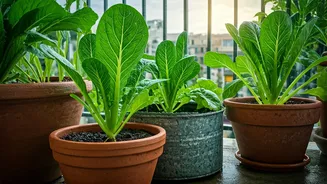
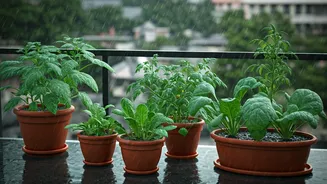
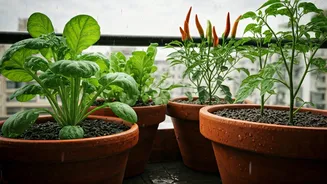
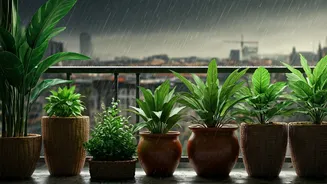
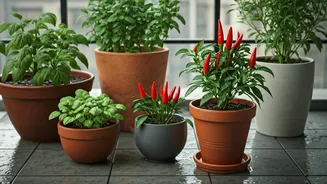
Not all containers are created equal, especially for the monsoon. The most critical feature is drainage holes—if your pot doesn’t have them, you must drill some. Terracotta (earthen) pots are an excellent choice as their porous nature allows soil to breathe and excess moisture to evaporate. They are heavy, however, which can be a pro (stability in wind) or a con (difficult to move). Lightweight plastic pots are cheaper and easier to shift but can retain more heat. For a modern, highly effective option, consider fabric grow bags. They offer unparalleled aeration and drainage, making it almost impossible to overwater your plants, a perfect solution for the intense Indian monsoon.
The Perfect Monsoon Potting Mix
The secret to a successful container garden lies beneath the surface. Regular garden soil is too heavy and compacts easily when wet, choking the roots. For monsoon containers, you need a light, fluffy, and well-draining medium. A foolproof recipe is the classic one-third mix. Combine one part garden soil (or red soil), one part cocopeat (or sand), and one part organic compost (like vermicompost). The soil provides structure, the cocopeat retains just enough moisture while keeping the mix light, and the compost provides essential nutrients. This blend ensures that even after a heavy shower, your plant's roots have access to both air and water without becoming waterlogged.
What to Grow: Easy Monsoon Favourites
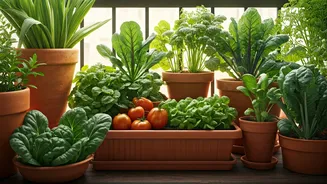
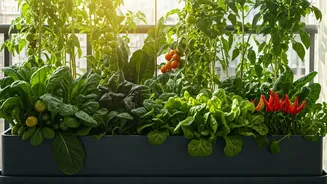
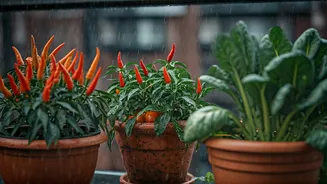
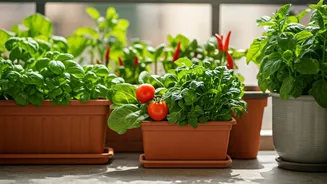
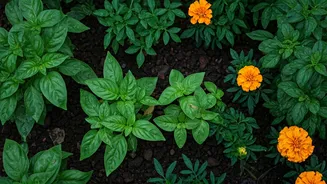
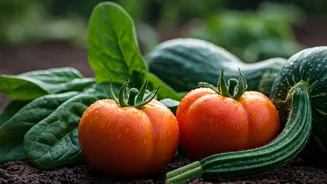
The monsoon is a season of rapid growth, and many Indian vegetables and herbs thrive in these conditions. For container gardening, start with plants that are relatively fast-growing and resilient. Leafy greens like spinach (palak), amaranth (chaulai), and fenugreek (methi) are fantastic choices. Vegetables like okra (bhindi), cluster beans (gawar), and chillies do exceptionally well. If you love fresh herbs, mint (pudina) and basil (tulsi) will flourish with the extra humidity. These plants are well-suited to the pot life and will reward you with a fresh, organic harvest right on your balcony or terrace.
Your Monsoon Care Checklist
While containers make things easier, a little care goes a long way. First, don't just assume the rain has done the watering for you. Always check the soil; if the top inch feels dry, it's time to water. The rain might only wet the foliage. Second, be vigilant about pests. The damp conditions are a breeding ground for insects. A fortnightly spray of a simple neem oil solution (a few drops of neem oil and liquid soap mixed in water) can keep most common pests at bay. Finally, ensure your plants get at least 4-6 hours of sunlight. While the sky may be overcast, place your pots in the brightest spot available to encourage healthy growth.