




More Than Just a Platter
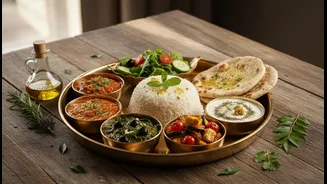
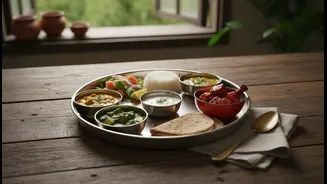
A thali, which literally translates to 'plate', is far more than a simple collection of dishes; it's a nutritional philosophy. Whether it's a Gujarati thali or a South Indian 'sadhya', the principle remains the same: a balanced meal served on a single
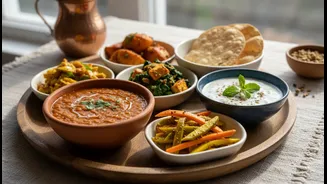
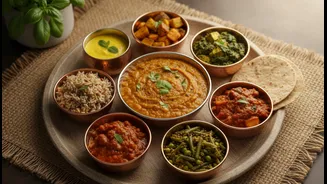
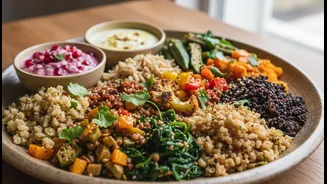
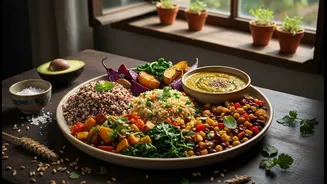
platter, showcasing variety, seasonality, and moderation. A typical thali presents a beautiful mosaic of items, each with a purpose. It includes a staple grain like rice or roti for carbohydrates, a protein source like dal or legumes, seasonal vegetables (sabzi), a probiotic in the form of curd (dahi) or buttermilk, and small amounts of chutneys and pickles to aid digestion. This isn't just about taste; it’s a functional system designed for holistic nourishment.
The Unsung Hero: Fibre
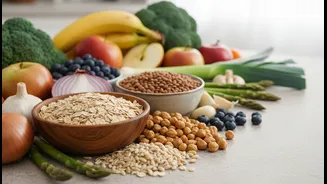
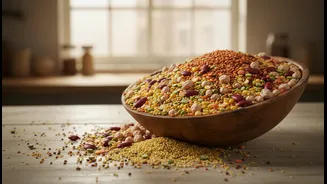
The core strength of the thali in the modern diet debate is its abundant and diverse fibre content. Fibre, the indigestible part of plants, is crucial for gut health, blood sugar regulation, and weight management. In a thali, fibre isn't an afterthought; it’s woven into the very fabric of the meal. You get insoluble fibre from whole grains like whole wheat roti or brown rice, which aids digestion. The dal, legumes, and various sabzis provide a wealth of soluble fibre, which helps control blood sugar, lower cholesterol, and keeps you feeling full and satisfied. This feeling of satiety is a natural form of portion control, helping to prevent overeating.
A Symphony of Nutrients and Flavours
The genius of the thali extends beyond fibre. It is a masterclass in macronutrient balance, providing a healthy mix of carbohydrates, proteins, and healthy fats from ghee or cooking oils. The assortment of colourful vegetables ensures a wide spectrum of essential vitamins and minerals like iron, calcium, and vitamin C. Ayurvedic tradition speaks of incorporating six tastes—sweet, sour, salty, bitter, pungent, and astringent—in a single meal for it to be truly satisfying and nutritionally complete. A thali achieves this effortlessly. The dal might be savoury, the sabzi slightly bitter, the pickle sour and pungent, and the small sweet dish at the end provides a sense of completion, balancing cravings and aiding digestion.
Thali Wisdom vs. Modern Fads
Modern diet fads often rely on restriction—eliminating entire food groups like carbs or fats. This can lead to nutritional deficiencies and an unsustainable relationship with food. The thali, in contrast, is about inclusion and balance. It doesn't demonise carbohydrates; it provides them from wholesome sources. It doesn’t eliminate fat; it incorporates healthy fats like ghee that aid in the absorption of fat-soluble vitamins. While fad diets offer a quick-fix mentality, the thali promotes a long-term, sustainable lifestyle. It’s based on eating seasonal and local produce, a practice that is not only good for our bodies but also for the environment.
Bringing Back the Balance
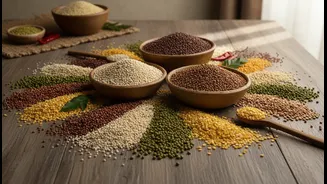
The issue today is not that traditional Indian food is unhealthy, but that our plates have become imbalanced. We’ve replaced fibre-rich millets and whole grains with refined flours (maida) and polished white rice. Home-cooked sabzis and dals are often swapped for processed, convenience foods that are low in nutrients and fibre. To embrace the thali philosophy, you don't need a special platter. The principle is simple: fill half your plate with vegetables, a quarter with a protein source like dal or chana, and the final quarter with a whole grain like bajra roti or brown rice. Add a side of curd or a salad, and you have a modern, deconstructed thali that carries centuries of nutritional wisdom.