



Essential Monsoon Care Tips
Before we dive into specific plants, a few general rules can make or break your monsoon garden. First and foremost is drainage. Ensure every pot has drainage holes to prevent waterlogging, which leads to root rot. It's wise to use a well-aerated soil
mix; adding sand or coco-peat can improve drainage significantly. Also, elevate your pots on stands or bricks to keep them from sitting in puddles. Finally, reduce manual watering. Check the soil before adding more water; if the top inch feels moist, your plants are fine. Good air circulation is also crucial, so avoid crowding your pots together to help prevent fungal infections.
Hibiscus (Gudhal)
A classic in Indian gardens, Hibiscus truly comes alive during the monsoon. The abundant moisture and warm temperatures encourage a flush of its famously large, vibrant blooms in shades of red, pink, and yellow. While it loves the rain, hibiscus still requires well-drained soil to prevent its roots from becoming waterlogged. For potted hibiscus on a balcony, daily watering might be necessary during breaks in the rain, but always check the soil's moisture first. A balanced fertilizer applied every few weeks can support its rapid growth and continuous flowering during this season. Regular pruning will also help maintain its shape and encourage even more flowers.
Balsam (Gul Mehndi)
Balsam is often called the quintessential Indian monsoon flower for good reason. These cheerful annuals, with blooms that resemble small roses or camellias, thrive in the wet and humid conditions. They are incredibly easy to grow from seed, which should be sown at the beginning of the monsoon in June or July. Balsam plants prefer a spot with partial sunlight and need consistently moist, but not soggy, soil. The natural rainfall is often sufficient, but you may need to water lightly during any dry spells. Their fast growth and profuse flowering make them a rewarding choice for adding a splash of instant colour to balcony pots and railing planters.
Spider Plant
Known for being one of the most adaptable houseplants, the Spider Plant handles the monsoon's high humidity with ease. In fact, this season is when it often produces the most 'babies' or spiderettes, which can be snipped off and easily propagated into new plants. The key to monsoon care for spider plants is to avoid overwatering, as they are prone to root rot. It's best to let the top layer of soil dry out completely between waterings. Keep them in a spot with bright, indirect light, and shelter them from direct, heavy downpours to prevent the pot from becoming waterlogged. Their arching leaves add a touch of green elegance and texture to any balcony arrangement.
Periwinkle (Sadabahar)
If you're looking for a low-maintenance plant that offers continuous colour, Periwinkle is an excellent choice. This hardy plant is remarkably tolerant of heavy rains and can thrive in either full or partial sun. Its vibrant flowers bloom throughout the year, adding a cheerful splash of pink or white to your garden, even on the greyest of monsoon days. Periwinkle is not demanding about soil and, once established, is also quite drought-resistant, making it a forgiving option for beginner gardeners. The main requirement is good drainage to avoid any issues with root rot during prolonged wet periods.
Lemongrass
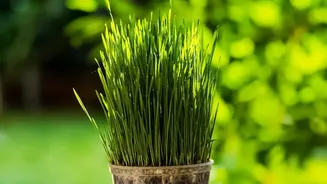
Growing herbs on your balcony can be incredibly rewarding, and Lemongrass is a perfect monsoon candidate. This tropical grass loves warm, humid conditions and plenty of water, making the rainy season its prime growing period. Ensure it's planted in a large pot with well-drained soil to accommodate its growth. While it enjoys the moisture, it shouldn't sit in stagnant water. The monsoon is also a great time for harvesting, as trimming the leaves encourages fresh, vigorous growth. Besides its culinary uses, the fresh, citrusy aroma of lemongrass can make your rainy evenings even more pleasant.