



The Protein Puzzle: What is 'Complete' Protein?
Protein is essential for just about everything in the body, from building muscle to supporting immune function. Proteins are made of building blocks called amino acids. There are nine 'essential' amino acids that our bodies can't produce, so we must get
them from our food. A food source that contains all nine of these essential amino acids in the right proportions is called a 'complete protein'. While animal products like meat, eggs, and dairy are naturally complete proteins, most individual plant foods are 'incomplete', meaning they are low in one or more of these essential amino acids. This is where the concept of protein combining becomes crucial for vegetarians.
Grains and Legumes: A Perfect Partnership
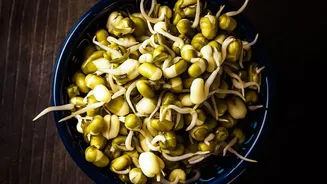
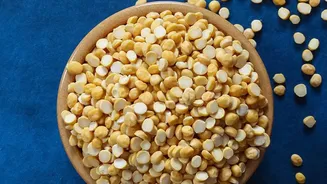
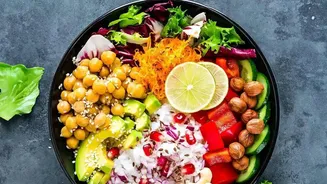
This is where the magic of traditional food wisdom comes in. Whole grains (like wheat, rice, and millets) and legumes (like dals, chickpeas, and beans) are the perfect nutritional match. Grains are typically low in the essential amino acid lysine but contain ample methionine. Legumes, on the other hand, are rich in lysine but are low in methionine. When you eat them together, they complement each other, filling in the nutritional gaps. This combination creates a complete amino acid profile, giving your body all the tools it needs to build and repair tissue effectively.
Why It Matters for Recovery
The term 'recovery' isn't just for elite athletes. After any form of physical activity, whether it's a gym session, a yoga class, or a long walk, your muscles need to repair themselves. This repair process is called muscle protein synthesis, and it relies on a steady supply of all nine essential amino acids. Without a complete protein source, your body's ability to heal and build stronger muscle tissue is compromised. This can lead to feeling sluggish, prolonged soreness, and a lack of progress. By ensuring your meals contain complete proteins through pairings like grains and legumes, you provide the fundamental building blocks needed for efficient recovery and energy replenishment.
Do You Need to Eat Them in the Same Meal?
For a long time, it was believed that complementary proteins had to be eaten in the same meal to be effective. However, modern nutritional science has debunked this myth. Research shows that the body maintains a reserve pool of amino acids throughout the day. This means as long as you consume a variety of plant protein sources over the course of the day, your body can pull from this pool to create complete proteins when needed. So, you don't have to stress about perfectly balancing every single plate. Eating dal for lunch and roti for dinner still allows your body to get what it needs. That being said, many traditional meals naturally combine them, making it an easy and delicious habit to follow.
Easy Pairings from the Indian Kitchen
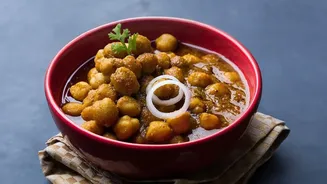
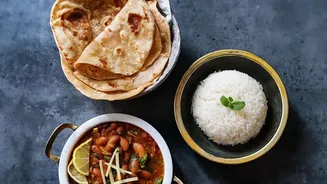
The good news is that creating complete protein meals is already a core part of Indian food culture. You've likely been eating these balanced combinations your whole life. Some classic, powerful pairings include: Dal and Rice (Dal Chawal): The most ubiquitous and comforting complete protein meal in India.; Roti and Chana Masala: Whole wheat flatbread paired with a hearty chickpea curry is a delicious and nutritionally sound choice.; Khichdi: A one-pot meal of rice and lentils, often with vegetables and spices, is the ultimate comfort food that also happens to be a complete protein powerhouse.; Idli/Dosa with Sambar: Fermented rice and lentil cakes or crepes served with a lentil-based vegetable stew is a staple in South India that provides a fantastic protein profile.; Rajma and Rice: A North Indian favourite, kidney beans with rice is another classic example of this perfect pairing.