




What is SAR and Why Does It Matter?
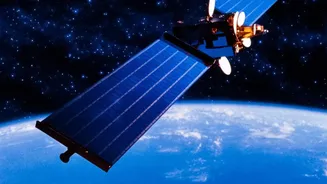
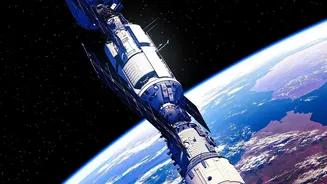
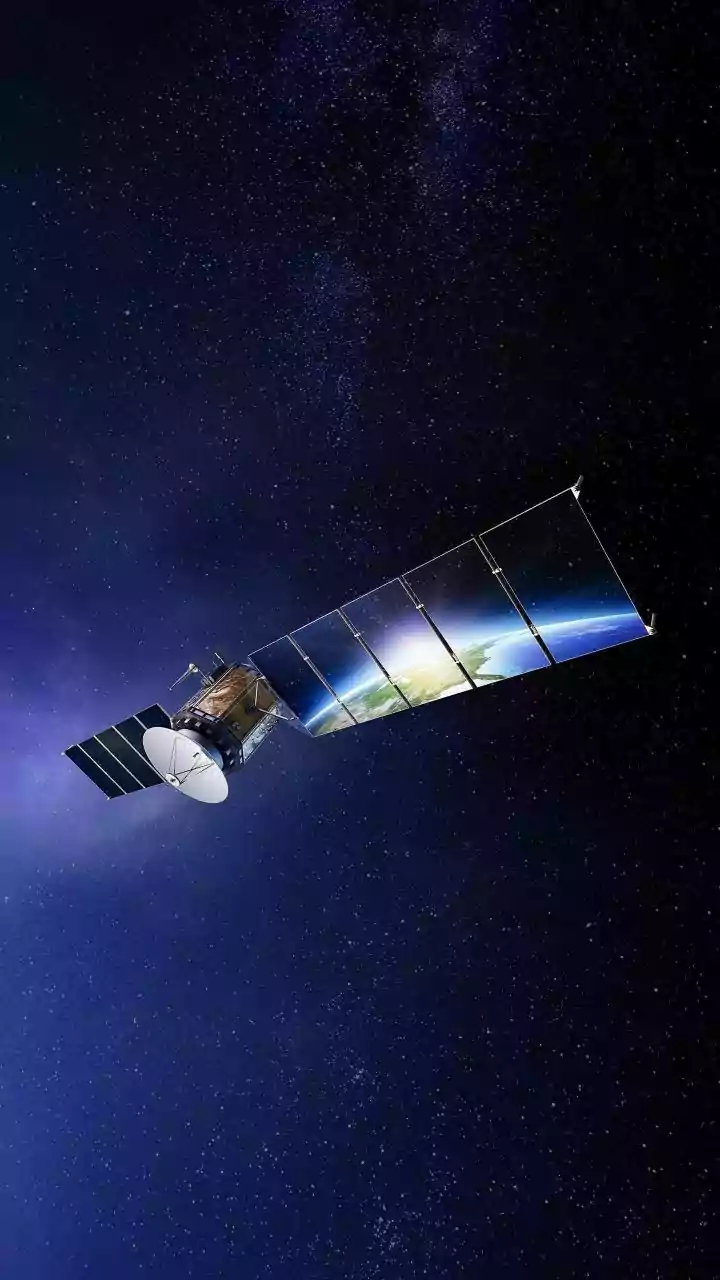
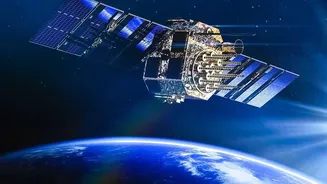
Before diving into the 'how', let's understand the 'what'. Synthetic Aperture Radar, or SAR, is a powerful remote sensing technology. Unlike optical cameras that need sunlight and clear skies, SAR is like a camera with its own flashlight that can see
through clouds, rain, and darkness. It works by sending microwave pulses to the Earth's surface and interpreting the signals that bounce back. This all-weather, day-and-night capability makes it incredibly valuable. Its applications are vast, from monitoring floods and landslides for disaster management to assessing crop health, tracking glacier melt, and aiding in urban planning. With India's own RISAT series of satellites and the upcoming joint NASA-ISRO SAR (NISAR) mission, expertise in handling SAR data is a highly sought-after skill in India’s growing space economy.
Your Gateway: The IIRS Outreach Program
The primary gateway for students and professionals to access ISRO's training is the Indian Institute of Remote Sensing (IIRS) in Dehradun, a constituent unit of ISRO. IIRS runs a highly successful outreach program designed to build capacity in geospatial technologies. It offers a variety of learning modules, from short online workshops to more comprehensive certificate courses. These programs are often free and delivered through two main modes: live interactive classes and self-paced e-learning courses available on the IIRS E-CLASS platform. The goal is to make advanced knowledge in space technology accessible to a wide audience, including undergraduate and postgraduate students, researchers, and even faculty members across the country.
Finding and Applying for a SAR Course
Finding the right course requires a bit of vigilance. ISRO and IIRS don't have a permanently open catalogue; instead, they announce specific courses periodically throughout the year. Your first step is to regularly monitor the official IIRS website, particularly the 'EDUSAT-News' or 'Courses' sections. In the past, IIRS has offered specific online courses like 'SAR Data Processing & its Application', sometimes with a special focus on data from Indian satellites like RISAT-1A. To apply, you must first register on the IIRS e-learning portal. The process is straightforward: create an account with your name and email, and fill in your personal and educational details. Once registered, you can browse the available courses and apply for the one that matches your interest and eligibility. Seats for these free, prestigious courses are often limited and fill up on a first-come, first-served basis, so it's crucial to apply as soon as a relevant course is announced.
The Learning Experience and Certification
The training is conducted by ISRO's own scientists and subject matter experts. The content is delivered through live online lectures, video sessions, animations, and detailed presentations. You'll get access to lecture notes and, in many cases, recorded sessions if you miss a live class. A key requirement for earning a certificate is attendance, which is automatically tracked via your login to the e-learning platform. Typically, a minimum of 70% attendance is mandatory to be eligible to sit for the final online exam. The exam is usually a multiple-choice-question format. After successfully passing the assessment and completing the course, you will be able to download your official certificate directly from the portal.
Beyond the Course: Leveraging Your Skills
Completing an ISRO-certified course is more than just adding a line to your resume; it's a significant value addition. It demonstrates a foundational understanding of cutting-edge technology directly from the source. For students, this can be invaluable for academic projects, dissertations, and standing out in placement interviews. The skills gained are directly applicable to careers in environmental science, disaster management, agriculture analytics, and the broader geospatial industry. For those looking for deeper engagement, IIRS also offers more intensive research internships and project trainee schemes, providing hands-on experience and mentorship from ISRO scientists. By taking these courses, you are not just learning a skill; you are taking a concrete step towards becoming a part of India's future in space science and technology.