

The Lofoten Islands: Iconic and Dramatic
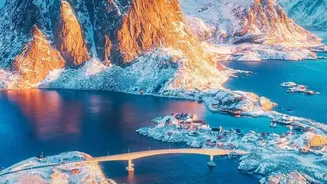
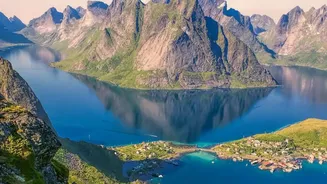
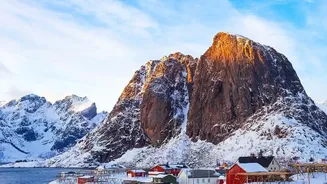
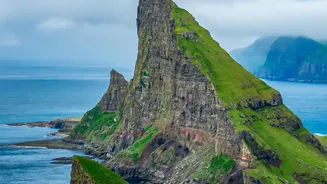
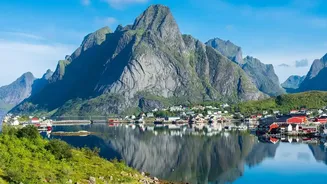
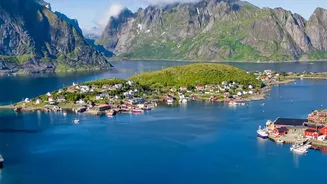
An archipelago of staggering beauty, the Lofoten Islands are defined by sharp, dramatic peaks that rise directly from the sea, sheltering picturesque fishing villages with their iconic red 'rorbuer' (fishermen's cabins). In summer, the islands are a playground
for hikers and kayakers, with 24-hour daylight from late May to mid-July fuelling endless adventures. This is the busiest season, when trails are green and roads are filled with explorers. Winter transforms Lofoten into a quieter, magical realm. From September to April, the Northern Lights frequently dance across the dark skies, and a blanket of snow offers a serene backdrop for photography and cozy cabin stays. While the weather can be unpredictable, the period from January to March often provides the most stable winter conditions.
Senja: Norway in Miniature
Often called 'Norway in Miniature', Senja is the country's second-largest island and offers a stunning diversity of landscapes with fewer crowds than Lofoten. The outer coast is wild and mountainous, with winding roads leading to breathtaking viewpoints like Bergsbotn and Tungeneset. Summer is ideal for hiking, with famous trails like Hesten providing incredible views of the pointed peak of Segla. Autumn brings a quieter atmosphere with golden colours, making it perfect for photography and seeing the early Northern Lights. Winter is for the dedicated aurora chaser, offering a dramatic, snow-covered landscape. A car is highly recommended to explore Senja's rugged beauty, as public transport is limited.
Vesterålen: A Year-Round Whale Haven
Just north of Lofoten, the Vesterålen archipelago offers a gentler landscape but is world-renowned for one major reason: whales. Thanks to a deep underwater canyon called Bleiksdjupet close to shore, Andenes on the island of Andøya is one of the few places in the world where sperm whales can be spotted all year. Summer safaris run from May to September, often including sightings of puffins and other seabirds. Winter brings a different spectacle, as migrating herring attract large pods of orcas and humpback whales into the fjords between October and January, offering incredible viewing opportunities. This makes Vesterålen a unique destination where you can combine whale watching with chasing the Northern Lights.
Sommarøy: The Arctic's Caribbean
With its shocking white-sand beaches and turquoise waters, Sommarøy ('Summer Island') could easily be mistaken for a tropical destination—if not for the dramatic Arctic peaks in the background. Located just an hour from Tromsø, this small fishing island is famous for its unique relationship with time. During the summer, when the midnight sun provides 69 days of continuous daylight, locals famously campaigned to become a 'time-free zone'. This is the season for kayaking and beach picnics at 2 a.m. In winter, the island becomes a prime spot for watching the Northern Lights reflect over the open sea, with minimal light pollution enhancing the view.
Hinnøya: A Vast and Quiet Escape
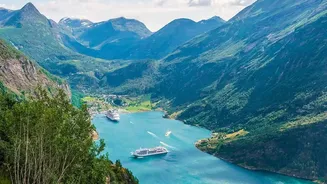
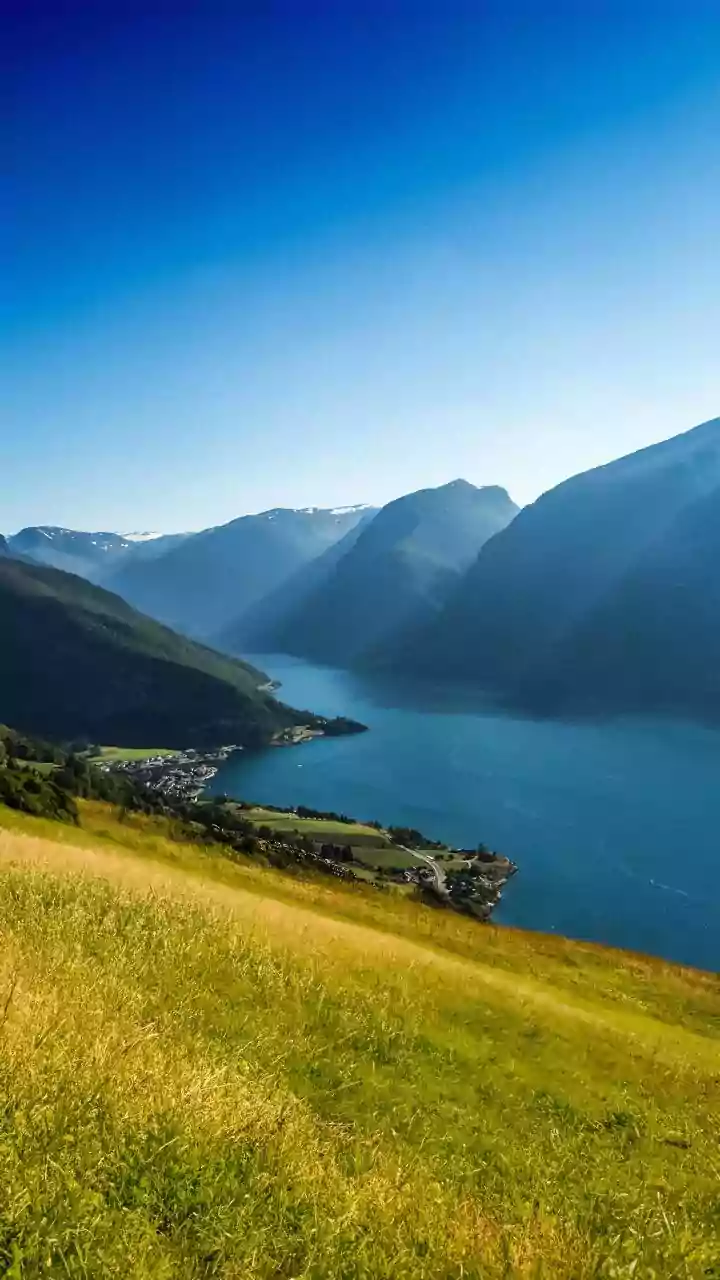
As Norway's largest island, Hinnøya is a land of vast landscapes, deep fjords, and towering mountains, including the Møysalen National Park. It serves as a bridge connecting the famous regions of Lofoten and Vesterålen but remains largely outside the busiest tourist areas. This makes it an ideal destination for those seeking solitude and a more rugged experience. The island offers extensive hiking opportunities through varied terrain, from ancient pine forests to alpine peaks. Fishing villages dot the coastline, offering a glimpse into the region's deep connection to the sea. Summer provides long days for exploration, while the quieter seasons offer a peaceful retreat into nature's grandeur.