





In a world of expensive gym memberships and complicated fitness routines, trail hiking offers a refreshing and simple alternative. It's an accessible way to achieve a powerful cardiovascular workout, proving you don't need much to do your heart good.
A Powerhouse Workout for Your Heart
Hiking is a robust cardiovascular exercise that significantly benefits heart health. When you hike, especially on varied or inclined terrain, you elevate your heart rate for a sustained period. This strengthens the heart muscle, improves circulation, and enhances overall endurance. Regular hiking encourages arteries to remain flexible, which helps lower blood pressure and can reduce levels of 'bad' LDL cholesterol while increasing 'good' HDL cholesterol. The uneven surfaces of a trail also engage your core and stabilizer muscles, providing a more comprehensive workout than walking on a flat treadmill. This combination of aerobic effort and functional strength makes hiking a dynamic, full-body activity.
Debunking 'Minimal Gear': What You Truly Need
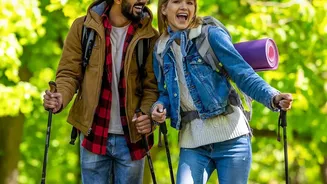
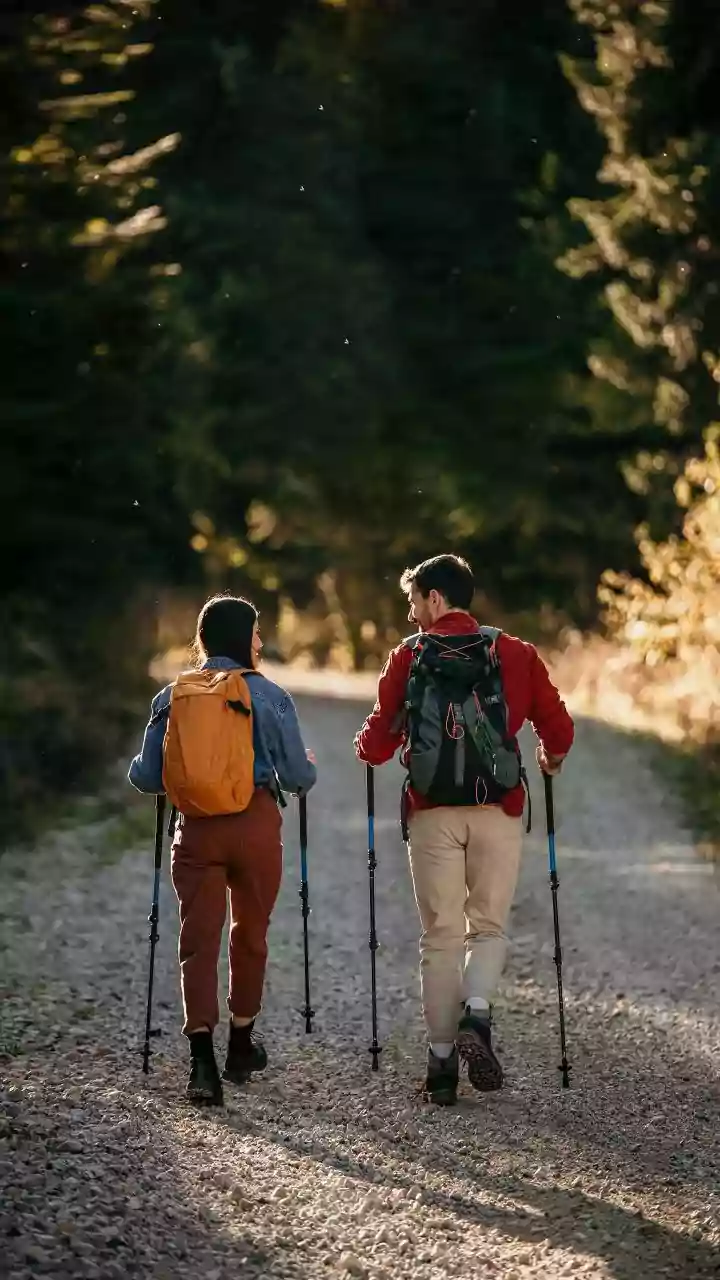
The phrase 'minimal gear' can be misleading. It doesn't mean 'no gear', but rather focusing on essential items for safety and comfort without overspending on non-essentials. Unlike hobbies that require significant upfront investment, hiking's barrier to entry is low. The most critical investment is in proper footwear. A sturdy pair of hiking shoes or boots with good traction is non-negotiable to prevent slips and provide necessary support. Beyond shoes, the core essentials include a small backpack, adequate water, and weather-appropriate clothing. The beauty of hiking is that you can often start with items you already own, like a comfortable backpack and athletic wear, before upgrading.
Your Essential Day-Hike Starter Kit
For a safe and enjoyable day hike, your backpack should contain a few key items often referred to as the 'Ten Essentials', adapted for a simple outing. Start with navigation; even a fully charged phone with a downloaded map is better than nothing, though a physical map is a reliable backup. Sun protection, including sunscreen and a hat, is crucial, even on cloudy days. Pack extra layers of clothing, as weather can change unexpectedly. Opt for moisture-wicking fabrics like polyester or wool and avoid cotton, which retains sweat and can make you cold. A basic first-aid kit with bandages and blister care is a must. Finally, always carry more water than you think you'll need and some high-energy snacks like nuts or fruit to stay fueled.
Getting Started on Indian Trails
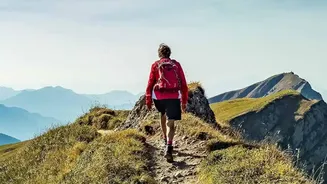
India offers a vast and diverse landscape for beginner hikers. You don't need to head to the Himalayas for your first trek; many cities are close to national parks, nature reserves, or rolling hills with well-marked trails. Start by choosing popular, shorter routes that are known to be safe and are well-documented online or in local hiking groups. Before you go, always check the weather forecast and inform someone of your plans, including your intended route and expected return time. As a beginner, it's wise to start your hike early in the day to avoid being caught on the trail after dark. Listening to your body is paramount; rest when you need to and don't push yourself too hard, especially when dealing with inclines or altitude.