



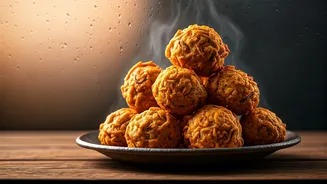


An Instinctive Craving
It’s a response so deeply ingrained in our collective psyche that it feels less like a choice and more like an instinct. The monsoon arrives, and with it, an undeniable, almost primal urge for something hot, crisp, and savoury. But why pakoras? Why this
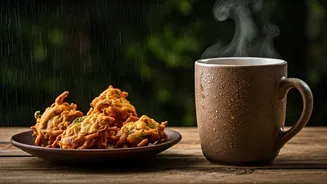
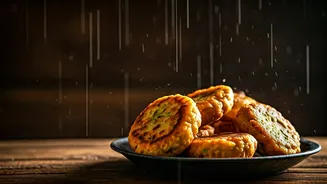
specific, humble fritter made of gram flour and a filling of your choice? The answer is a beautiful mix of sensory triggers, cultural conditioning, and a little bit of simple science. The cool, damp weather creates a natural desire for warmth. A plate of freshly fried pakoras, steaming and glistening, provides an immediate, comforting contrast to the grey gloom outside. It's a small act of defiance against the chill, a pocket of warmth you can hold in your hand.
The Science of Comfort
There's a psychological reason we reach for fried foods when the weather turns. The combination of carbohydrates and fat found in pakoras can lead to a release of serotonin in the brain, a neurotransmitter that promotes feelings of happiness and well-being. When the skies are overcast and sunlight is scarce, our mood can dip slightly. That plate of bhajiyas isn't just satisfying your taste buds; it's providing a small, delicious mood-lift. The sound itself is part of the appeal—the aggressive sizzle of batter hitting hot oil is the perfect soundtrack to the gentle pitter-patter of rain. It’s a multi-sensory experience that begins long before you take the first bite. The aroma of frying besan and spices mingling with the smell of wet earth is the very essence of monsoon coziness.
More Than Just a Snack
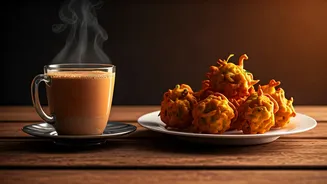
In India, the pakora is not just food; it’s an event. It signals a pause. When it rains, work slows down, traffic snarls, and people are forced to take shelter. This impromptu break is often filled by a shared plate of pakoras and a cup of chai. It's a social glue, an excuse to gather family or huddle with colleagues in the office canteen. The process of making them is also part of the ritual. Someone starts chopping onions or potatoes, another mixes the batter, and everyone crowds around the stove, eagerly waiting for the first batch to be ready. They are meant to be eaten immediately, shared from a common plate, fostering a sense of community and togetherness that feels as comforting as the snack itself.
A Universe of Fritters
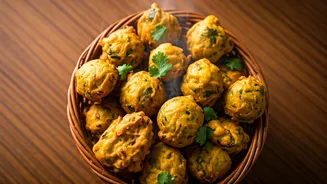
While the onion (kanda bhaji) and potato (aloo pakora) pakoras are undisputed kings, the pakora universe is vast and wonderfully diverse. Every region, and indeed every household, has its own special version. In the north, you'll find spongy moong dal pakoras, while paneer pakoras offer a soft, creamy centre. Head east to Bengal, and you’ll discover 'telebhaja,' a category of fritters that includes everything from eggplant (beguni) to pumpkin flowers. In the south, the fiery 'milagai bajji' (chilli pakora) is a popular choice. There are also spinach pakoras, cauliflower pakoras, and even bread pakoras. This versatility is key to its enduring appeal—there’s a pakora for every palate, made with whatever is readily available in the kitchen when the rain starts to fall.
The Perfect Companions
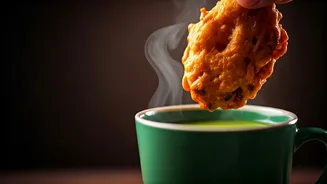
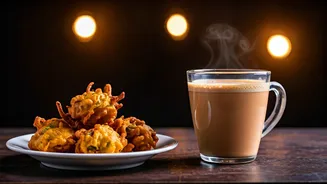
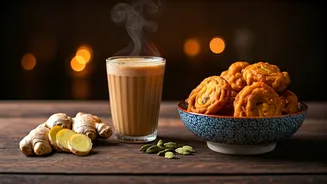
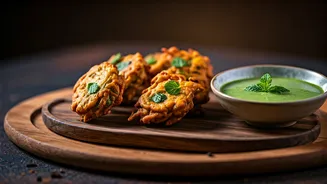
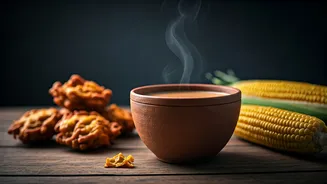
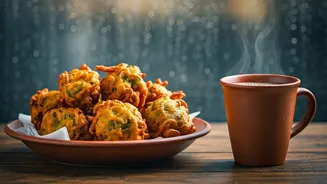
A pakora is incomplete without its trusted sidekicks. The most essential is a steaming cup of 'adrak wali chai' (ginger tea). The spicy warmth of the tea cuts through the richness of the fried snack, creating a perfect balance. The combination is a cornerstone of Indian monsoon culture. Then there are the chutneys. A tangy, spicy green chutney made from mint and coriander provides a fresh counterpoint, while a sweet-and-sour tamarind chutney adds another layer of complexity. Dipping a hot pakora into a cool chutney while the rain falls outside is one of life’s simple, yet profound, pleasures.