






The New Breakfast Powerhouse
Walk into any upscale café in Mumbai or Bengaluru, and you'll see it on the menu. Scroll through a fitness influencer's feed, and you'll see it in their smoothie glass. High-protein plant milk is rapidly moving from a niche health-food-store item to a mainstream
breakfast staple for urban Indians. This trend is driven by a health-conscious, digitally-savvy generation that views food as functional fuel. They aren’t just looking for a dairy alternative; they are seeking a nutritional upgrade to power their workouts and busy lives. This shift is part of a larger boom in India's plant-based food market, which is seeing significant growth and innovation.
What Makes It 'High-Protein'?
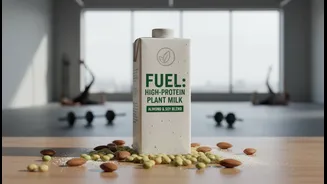
Not all plant milks are created equal. The first wave of alternatives, like regular almond or rice milk, were often low in protein. The new generation of high-protein options is different. These milks are typically derived from legumes like soybeans or yellow peas, or a blend of plant sources to create a more robust protein profile. Soy milk has long been a protein-rich choice, offering a protein content comparable to dairy milk. More recently, pea milk has emerged as a strong contender, often matching or even exceeding the protein content of soy and dairy. These products are specifically formulated to help consumers meet their daily protein targets, a key concern for those with active lifestyles.
The Fitness Connection
For urban fitness groups, from dedicated gym-goers to yoga practitioners, protein is a non-negotiable part of their diet. It's essential for muscle repair, satiety (feeling full), and maintaining energy levels. A breakfast high in protein helps manage cravings and prevent mid-morning energy slumps. High-protein plant milks offer a convenient way to get a significant protein boost first thing in the morning. They fit seamlessly into pre- or post-workout shakes and smoothies, providing the necessary building blocks for muscle recovery without the heaviness some associate with dairy. This aligns perfectly with the growing awareness among urban Indians about meeting their protein needs, as studies suggest a significant portion of the population may be protein-deficient.
Plant Power vs. Dairy
While India is the world's largest milk producer, a growing number of consumers are exploring alternatives for various reasons. Lactose intolerance is a significant factor, leading many to seek dairy-free options to avoid digestive discomfort. Beyond that, ethical and environmental concerns about industrial dairy farming are prompting many younger, urban consumers to make a switch. From a nutritional standpoint, high-protein plant milks like soy and pea offer a comparable amount of protein to cow's milk, often around 7-8 grams per cup. They are also naturally cholesterol-free and lower in saturated fat. However, it's important to choose fortified versions to ensure adequate intake of nutrients like calcium and Vitamin B12, which are naturally abundant in dairy milk.
Remixing the Indian Breakfast
This new wave of plant milk is being used in creative ways beyond just a glass to drink. It's forming the base for creamy, protein-packed smoothies blended with fruits, vegetables, and seeds. Fitness enthusiasts are using it to make 'proats' (protein oats) or soaking muesli for a filling and nutrient-dense start to the day. It’s also finding its way into morning coffee and tea at home and in cafés, which are increasingly offering a variety of plant-based options. This allows individuals to enhance traditional breakfast habits, like a bowl of cereal or porridge, with a functional, protein-rich twist without a complete dietary overhaul.