





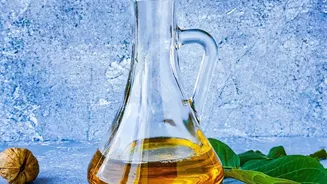
The Great Fat Divide: Solid vs. Liquid
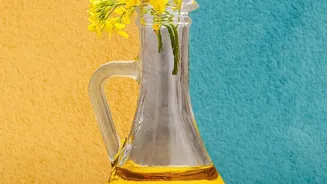
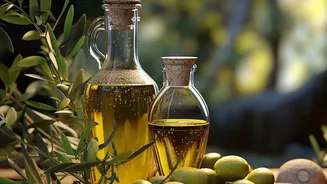
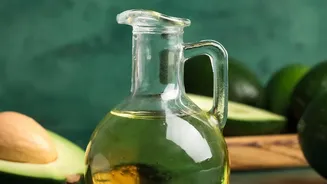
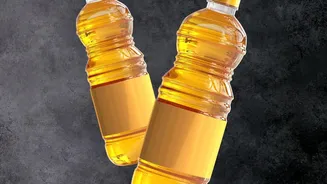
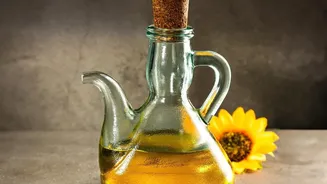
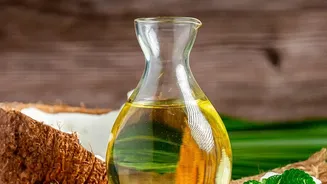
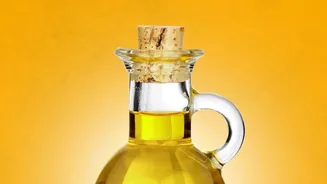
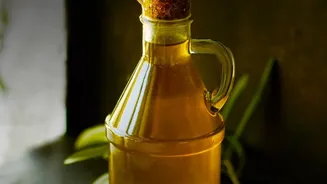
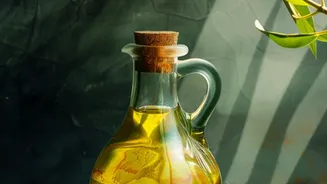
At its core, the difference between fats comes down to chemistry, which handily reveals itself right in your kitchen. Fats that are solid at room temperature—like butter, ghee, and coconut oil—are typically high in saturated fats. Fats that are liquid
at room temperature—like mustard oil, olive oil, and sunflower oil—are mostly unsaturated. This simple visual cue is your first clue to making a heart-healthier choice. While our bodies need fat for energy and to absorb certain vitamins, the type of fat we consume dramatically impacts our cardiovascular system, particularly our cholesterol levels.
The Trouble with Saturated Fats
Saturated fats have long been a topic of concern for heart health, and for good reason. Consuming a diet high in saturated fat can lead to an increase in LDL (low-density lipoprotein) cholesterol. Think of LDL as the 'bad' cholesterol; when its levels are too high, it contributes to the buildup of plaque in your arteries. This process, known as atherosclerosis, narrows the arteries and restricts blood flow, increasing the risk of heart disease and stroke. In India, traditional staples like ghee and palm oil are rich sources of saturated fat. While culturally significant, health bodies like the American Heart Association recommend limiting saturated fat intake, suggesting it should make up less than 6% of your total daily calories.
Unsaturated Fats: The Heart's Allies
If saturated fats are the villains, unsaturated fats are the heroes of this story. Replacing saturated fats with unsaturated ones is a proven strategy to lower the risk of heart disease. These beneficial fats come in two main forms: monounsaturated and polyunsaturated. Monounsaturated fats, found in olive oil, groundnut oil, and avocados, are excellent for heart health. Polyunsaturated fats, which include omega-3 and omega-6 fatty acids, are found in sources like sunflower oil, soybean oil, walnuts, and fatty fish. These fats work by helping to reduce LDL ('bad') cholesterol levels while often having a positive or neutral effect on HDL ('good') cholesterol, which helps remove cholesterol from your arteries.
A Special Note on Trans Fats
In any discussion about fats, it’s crucial to mention trans fats. These are the worst type of fat for your heart and are created by an industrial process called hydrogenation, which turns liquid oils into solid fats to increase shelf life. They raise bad LDL cholesterol while also lowering good HDL cholesterol. Thankfully, awareness and regulation have reduced their presence, but they can still be found in some baked goods, fried foods, and vanaspati. It's best to avoid them entirely by checking labels for 'partially hydrogenated oils.'
Making the Switch: A Practical Guide
Making a change is easier than you think. It's not about eliminating fats, but about making smarter swaps. Start by using liquid vegetable oils for cooking instead of solid fats. For instance, use mustard oil or sunflower oil for your daily sabzis and dals instead of ghee or butter. Use olive oil for salad dressings. When you replace just 1% of your saturated fat intake with the same amount of calories from polyunsaturated fats, you can lower your heart disease risk by a notable margin. It’s also important what you replace saturated fat with. Swapping butter for a sugary pastry doesn't help; swapping it for avocado on toast does. The goal is to replace saturated fats with healthier, unsaturated ones, not with refined carbohydrates or sugars.