


Why Soaking is a Non-Negotiable Step
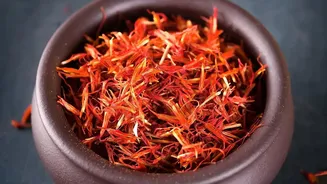
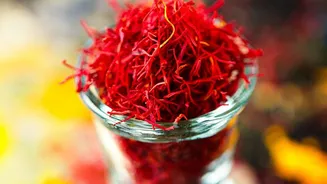
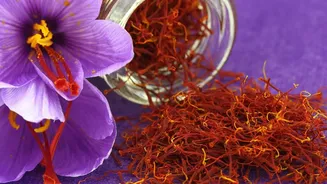
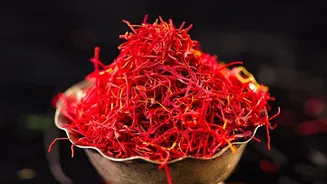
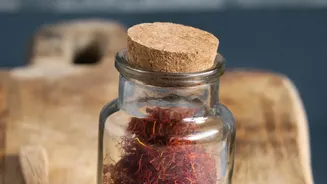
Saffron threads might look ready to use, but their true magic is locked away. These dried stigmas of the Crocus sativus flower contain potent compounds that need to be coaxed out. The stunning golden colour comes from a water-soluble compound called crocin,
while the distinct, honey-like aroma is from safranal. Adding dry threads directly to a pot of rice or a pan of hot oil is inefficient; they won't have enough time or the right conditions to fully release their essence. This results in uneven specks of colour and a faint aroma, rather than the rich, uniform glow and pervasive fragrance that defines a great saffron dish. The process of soaking, known as 'blooming', hydrates the threads and allows these compounds to dissolve into a liquid, creating a potent infusion that can be distributed evenly throughout your recipe.
The Right Liquid and Temperature
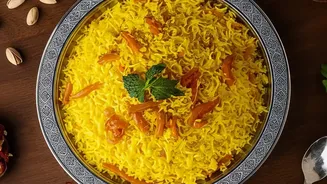
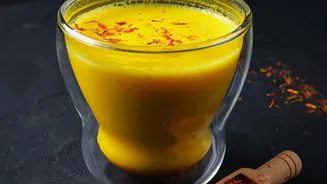
The liquid you choose for blooming makes a difference. For many Indian sweets like kheer, ras malai, or shrikhand, warm milk is the traditional choice. The milk's fat content helps carry the saffron's aroma, creating a richer, more rounded flavour profile. For savoury dishes like biryani or pulao, both warm milk and warm water work well. Water will produce a slightly brighter, sharper golden hue. Some recipes even call for stock or rose water.The temperature of the liquid is critical. It should be warm to the touch, but never boiling. Boiling water can damage the delicate safranal, diminishing the saffron’s signature aroma and potentially introducing bitter notes. Think of it like making a delicate tea; gentle heat coaxes out the best qualities without scorching the ingredient.
A Simple Method for Perfect Results
Unlocking saffron's full potential is a simple, three-step process. First, take a pinch of saffron threads—about 12-15 threads are often enough for a dish serving four to six people. For faster and more complete extraction, lightly crush the threads between your fingers or with a mortar and pestle before soaking. This increases the surface area, allowing the liquid to penetrate more effectively.Next, place the crushed threads into a small bowl and add two to three tablespoons of your chosen warm liquid (milk or water). Stir gently and set it aside to steep for at least 15 to 20 minutes. If you have more time, letting it bloom for 30 minutes or even longer will yield even more intense colour and flavour. You will know it's ready when the liquid has turned a deep, sunset-orange gold. Finally, add the entire mixture—both the infused liquid and the softened threads—to your dish.
Common Mistakes to Avoid
Even with an expensive spice like saffron, simple errors can lead to disappointing results. The most common mistake is skipping the blooming process entirely. Another frequent error is using too much saffron. While it may be tempting to be generous, an excess of saffron can make a dish taste unpleasantly bitter or medicinal. A small pinch is almost always sufficient.Using boiling liquid is another pitfall, as the high heat destroys the delicate aroma. Lastly, timing matters. Saffron’s aroma is volatile, meaning it can dissipate with prolonged cooking. For dishes like biryani, the saffron-infused milk is often drizzled over the rice just before the final 'dum' or steaming stage. In sweets like kheer, it's typically added near the end of the cooking process to preserve its fragrant notes.