


Choosing Your First Herbs
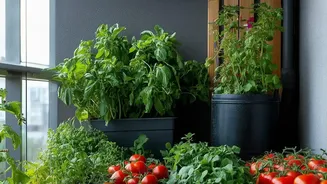
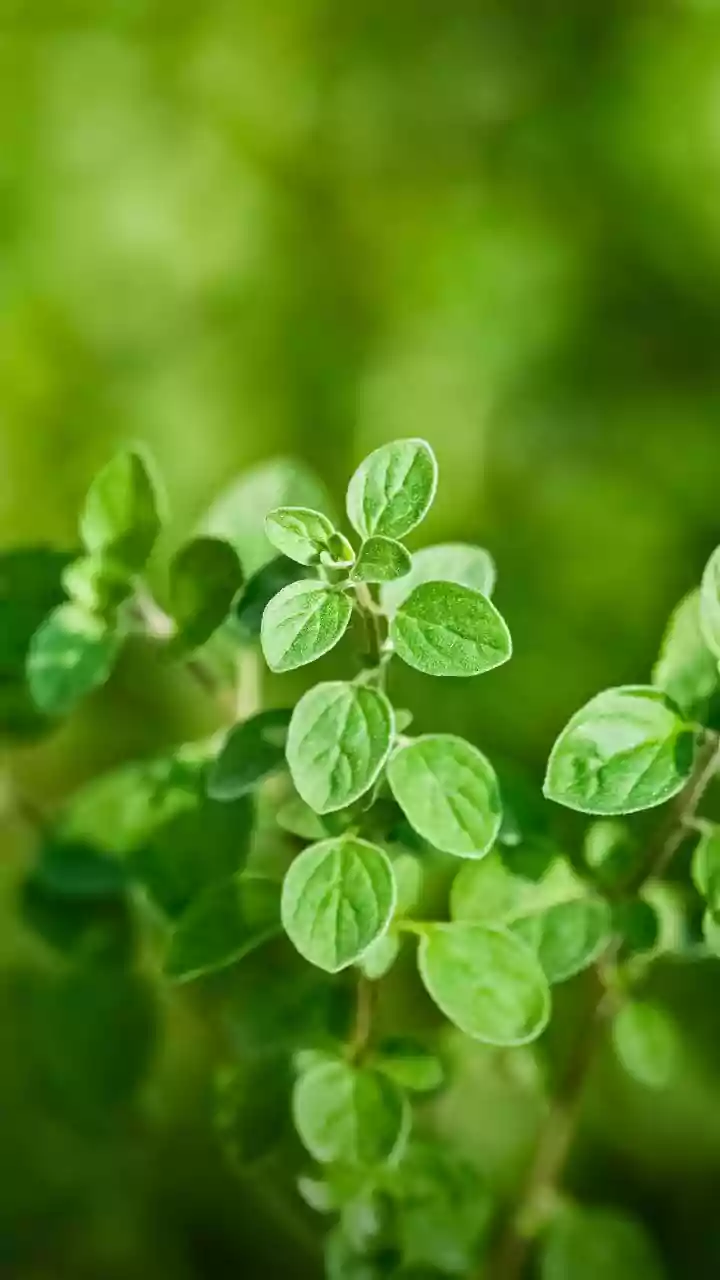
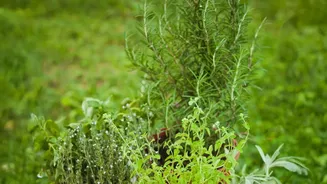
The key to a successful balcony garden is starting with herbs that are easy to grow and suited for the Indian climate. Mint (Pudina) is famously easy and grows vigorously in pots; in fact, a container is perfect for stopping it from taking over. Start
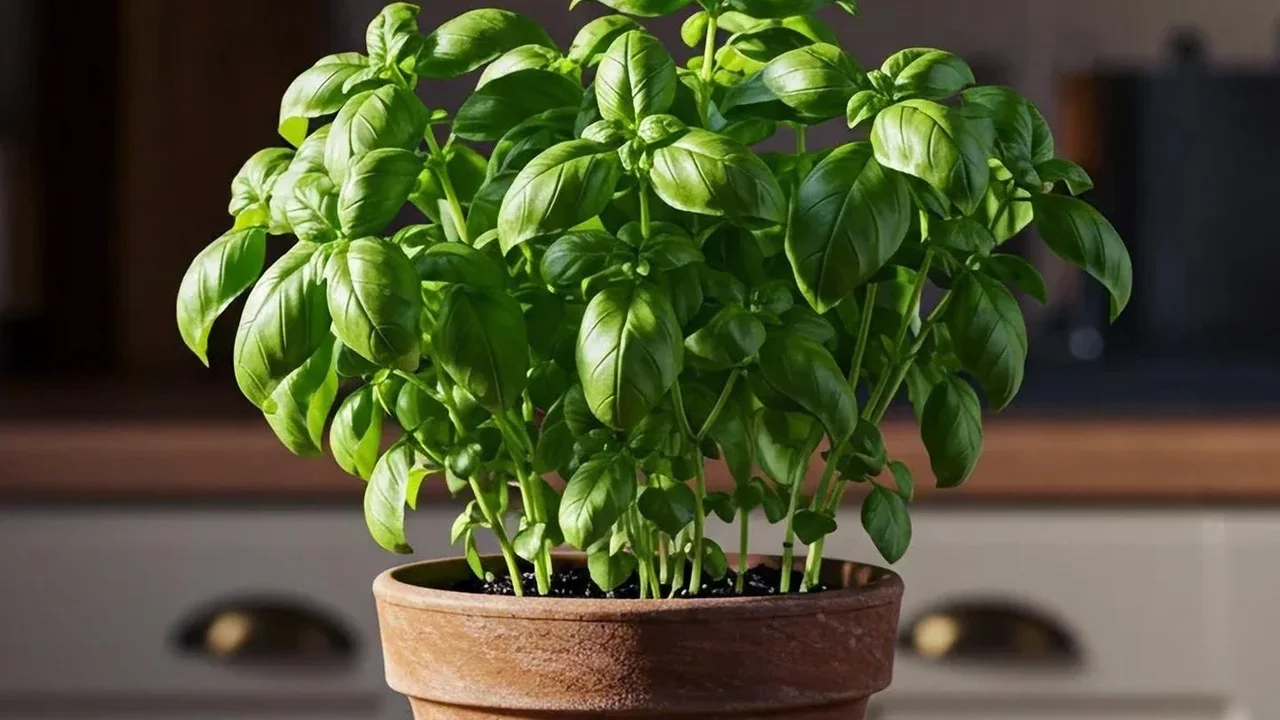
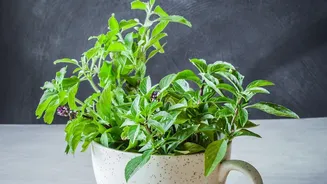
with a cutting in a glass of water, and it will root in days. Coriander (Dhania) is another staple, but it prefers cooler weather and can bolt (flower prematurely) in intense heat. Sow seeds directly into a pot and harvest the outer leaves for a continuous supply. Holy Basil (Tulsi) is adaptable, heat-resistant, and perfect for pots, thriving with plenty of sun. For a truly rewarding experience, try growing Curry Leaves (Kadi Patta). Start with a sapling in a deep pot, as seeds are slow to germinate. It loves sunlight and well-draining soil.
The Right Pot and Placement
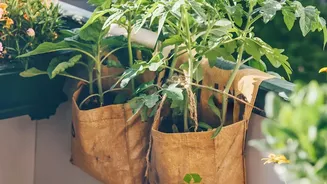
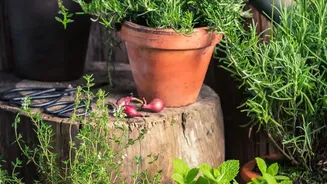
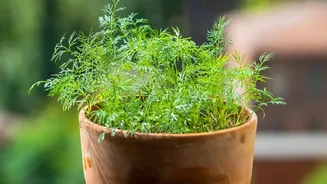
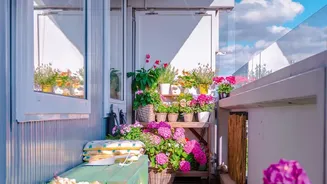
Your choice of container is crucial. Good drainage is the number one priority, as herbs hate sitting in water. Ensure any pot you choose has holes at the bottom. Terracotta pots are a great choice as they are porous, but they also dry out faster, meaning more frequent watering. Plastic pots are lighter and retain moisture longer. A pot that is at least 6-8 inches wide and deep is a good starting point for a single herb plant. For sun, most culinary herbs need at least four to six hours of direct sunlight each day. A south or west-facing balcony is often ideal, but an east-facing spot that gets gentle morning sun also works well for many herbs, including mint and coriander.
Getting the Soil Mix Right
Don't just use soil from your garden, as it can become compacted in a pot and prevent roots from growing properly. The goal is a light, fertile, and well-draining medium. A high-quality commercial potting mix is an excellent starting point for beginners. For a simple DIY mix, combine equal parts potting soil, compost (like from kitchen waste), and a material that improves drainage, such as cocopeat (coconut coir) or coarse sand. This combination provides nutrients from the compost, structure from the soil, and prevents waterlogging thanks to the sand or cocopeat. This ensures your plant's roots get the air and moisture they need to thrive.
Watering and Basic Care
Overwatering is one of the most common mistakes in container gardening. A good rule of thumb is to water thoroughly until you see water escape the drainage holes, then allow the top inch or two of soil to dry out before watering again. Stick your finger into the soil to check; if it feels dry, it's time to water. Herbs like mint prefer consistently moist soil, while others like curry leaves dislike soggy conditions. Regular harvesting is also a form of care. Trimming your herbs encourages them to grow bushier and more productive. For herbs like coriander and basil, pinching off the outer leaves allows the plant to keep producing from the centre.
Dealing with Common Pests
Balcony gardens can attract pests like aphids, spider mites, and whiteflies. The best defence is prevention. Inspect your plants regularly, especially the undersides of leaves. Companion planting can help; for instance, the strong scent of mint can repel some unwanted insects. If you do spot pests, there's no need for harsh chemicals. A simple spray of neem oil solution or insecticidal soap is effective against many common pests and is safe for edible plants. Ensuring good air circulation between your pots can also help prevent fungal diseases, which are more common in crowded, damp conditions.