




The Evolution of a Baking Hobby
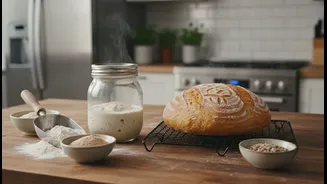
First came the starters, bubbling away on kitchen counters in Mumbai, Bengaluru, and Delhi. The pandemic-era sourdough boom saw countless urban millennials nurturing these living cultures in pursuit of the perfect artisanal loaf. But as the hobby evolved
into a daily routine, a new question arose: what to do with the 'discard'? To keep a sourdough starter healthy, a portion must be removed before each feeding. Initially seen as waste, this discard is now at the heart of a new culinary movement, transforming a baking byproduct into a symbol of conscientious consumption.
What is Sourdough Discard, Anyway?
Sourdough discard is simply the portion of unfed starter removed during the feeding process. It's a mix of flour and water, rich with the complex, tangy flavours of fermentation but without the strong leavening power of a freshly fed, active starter. Instead of being tossed out, this discard is being recognised as a powerhouse ingredient. It adds a subtle tang, moisture, and tenderness to baked goods, making them more flavourful and helping them stay fresh longer. The mild acidity in the discard reacts with leavening agents like baking soda, resulting in softer, fluffier textures.
A Stand Against Kitchen Waste
At its core, this trend is a delicious form of activism against food waste. For a generation increasingly concerned with environmental impact, throwing away perfectly good flour and water daily feels wrong. Using discard aligns with a broader shift towards a zero-waste philosophy in the kitchen, a principle that has deep roots in traditional Indian cooking but is being rediscovered by a new generation. This practice isn't just about saving a few rupees; it's a mindful choice to value ingredients and reduce one's environmental footprint.
Creativity Unleashed: From Crackers to Kulchas
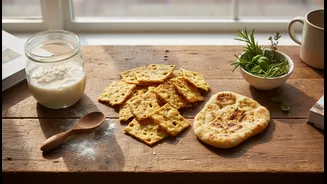
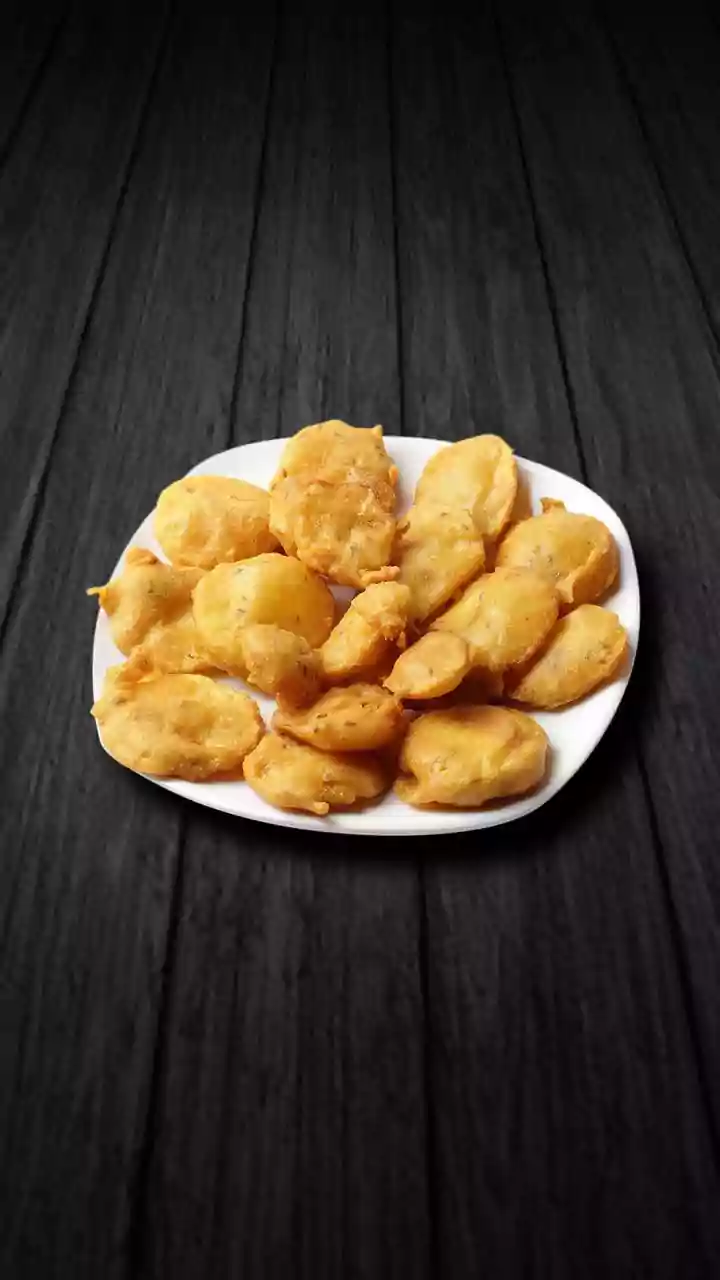
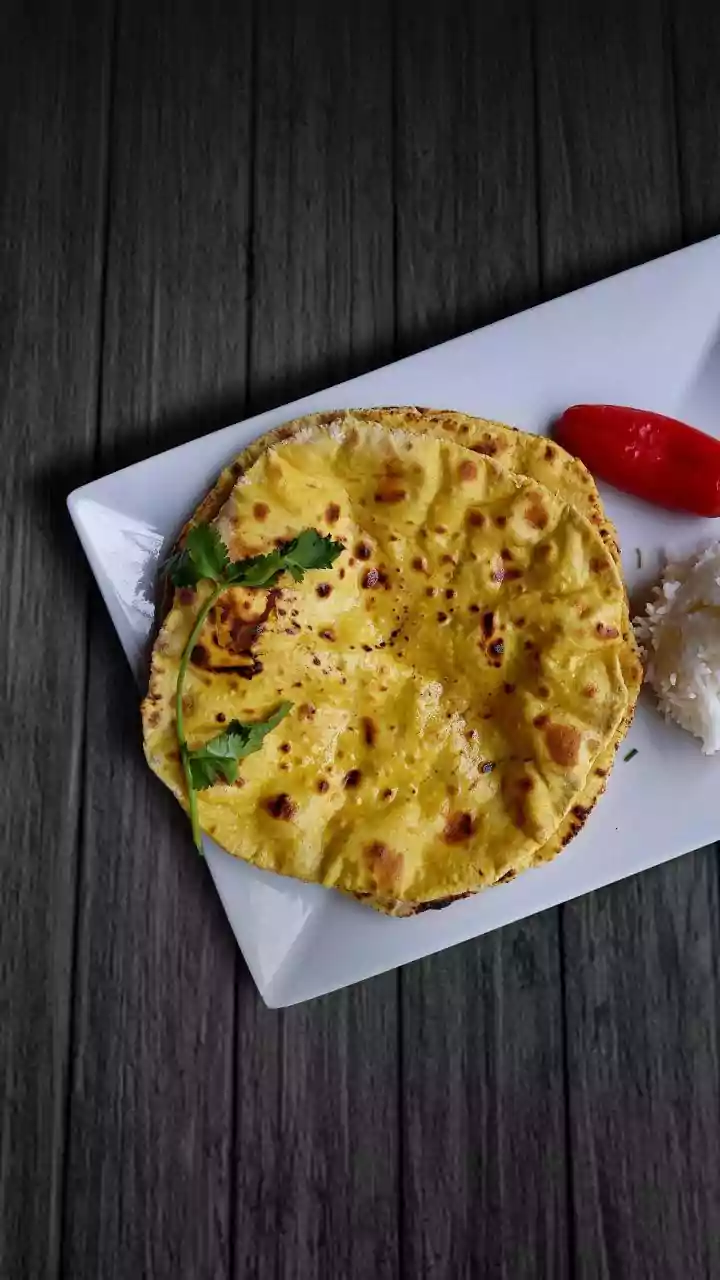
The true magic of the discard trend lies in its versatility. Online communities and social media feeds are buzzing with ingenious creations. The usual suspects are all there: pancakes, waffles, crackers, and biscuits, all made better with a splash of tangy discard. But in India, the trend has taken on a unique local flavour. Home bakers are creatively incorporating discard into traditional recipes. Imagine soft, pillowy naan with a complex sourdough flavour, fluffier bhaturas, or even dosas and uttapams with an added depth and tang. This fusion of a global trend with local cuisine is where the movement truly shines, making sustainability feel both innovative and deeply familiar.
The Millennial Mindset
Why has this trend resonated so strongly with urban Indian millennials? It perfectly encapsulates several key generational values. There is the drive for sustainability and conscious consumption, with studies showing a high degree of environmental awareness among this group. There is also the desire for authenticity and new skills, which the sourdough journey provides. Furthermore, the visual appeal of these homemade creations makes them perfect for sharing on social media, creating a digital community of like-minded bakers who exchange tips and recipes, fuelling the trend's growth. It's a practice that is simultaneously good for the planet, a creative outlet, and a way to connect with others.