




It Starts with the Roast
The single biggest mistake that leads to sad, pasty upma is skipping one crucial step: properly roasting the rava (semolina). Many of us are in a hurry, but taking five extra minutes to dry roast the rava in a kadai over a low flame is a non-negotiable
game-changer. This process does two essential things. First, it toasts the grains, imparting a wonderfully nutty aroma and deeper flavour that forms the foundation of the dish. Second, and just as importantly, it helps the grains stay separate when you add water, effectively preventing the dreaded clumping that has given upma a bad name. You'll know it's ready when the rava is fragrant and has turned a very faint golden colour. Don't rush this; it’s the difference between a good upma and a great one.
Beyond Onions and Peas
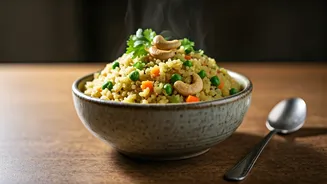
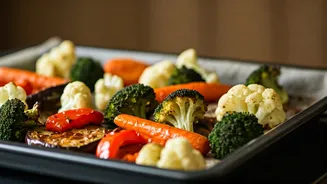
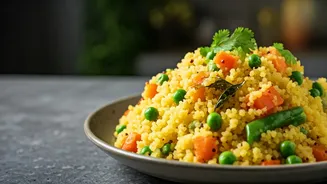
The 'vegetable' in vegetable upma used to be a mere suggestion—a few stray peas and bits of onion. Not anymore. The modern upma is a vibrant canvas for a medley of produce. Finely chopped carrots, colourful bell peppers, sweet corn, and even green beans add not just nutrition but also layers of texture and sweetness that balance the savoury notes. The key is to add the harder vegetables like carrots first, sautéing them with the onions until they soften slightly, before adding quicker-cooking ones like bell peppers. This ensures everything is perfectly cooked without turning to mush. Some home cooks are even experimenting with finely chopped broccoli or zucchini, proving that upma is far more versatile than we ever gave it credit for.
The Flavour-Packed Tadka
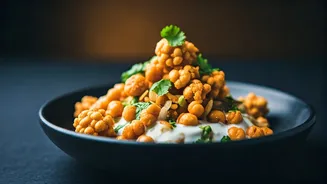
The tadka, or tempering, is the soul of upma, and elevating it is key to a superior dish. While mustard seeds, curry leaves, and a pinch of asafoetida (hing) are standard, a truly exceptional upma benefits from a more complex tempering. Adding a teaspoon each of chana dal and urad dal to the hot oil provides a delightful crunch in every bite. Fry them until they turn golden brown before adding the mustard seeds. For an even richer experience, toss in a handful of broken cashews or peanuts. Sautéing them in the ghee or oil until they are crisp adds a luxurious texture and nutty flavour that makes the dish feel more substantial and special. Don't forget finely chopped ginger and green chillies for a fresh, zesty heat.
Mastering the Fluffy Texture
The ultimate goal is a light, fluffy upma where each grain is distinct. This all comes down to the water-to-rava ratio and technique. A reliable starting point is a 1:2 ratio—one cup of rava to two cups of water. However, depending on the coarseness of your rava, you might need up to 2.5 cups of water. The secret weapon here is using hot, boiling water. Adding cold water to the hot pan can cause the rava to clump instantly. Once your vegetables and tadka are ready, pour the boiling water in, add salt, and bring it to a rolling boil. Then, lower the heat and slowly pour in the roasted rava with one hand while continuously stirring with the other. This constant motion ensures the rava incorporates evenly, preventing lumps from forming. Once it’s all in, cover the pan and let it cook on the lowest heat for 2-3 minutes. This final steaming step allows the grains to plump up perfectly.
The Perfect Finishing Touches
A good cook knows the dish isn't done until the final garnishes are added. These finishing touches are what transform upma from a simple breakfast to a well-rounded meal. Once the upma is cooked, turn off the heat and add a generous squeeze of fresh lemon or lime juice. The acidity brightens all the flavours and cuts through the richness. Next, stir in a dollop of ghee. This adds a final layer of aroma and flavour, giving the upma a beautiful, glossy finish. Finally, a liberal sprinkle of freshly chopped coriander leaves provides a burst of freshness. Serve it hot, perhaps with a side of coconut chutney, podi, or even a simple pickle to complete the experience. These small details are what make today’s vegetable upma a truly satisfying and delicious dish.