






Understanding Food Safety Connect
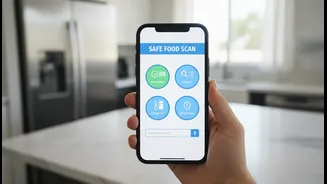
At its core, Food Safety Connect is a digital initiative by FSSAI designed to serve two different groups: consumers and Food Business Operators (FBOs). For consumers, it is primarily a grievance redressal system. Through a mobile app and web portal, you
can report issues like unhygienic conditions, adulterated food, or misleading labels. The platform allows you to upload photos as evidence, track your complaint, and verify the FSSAI license of any food vendor. For businesses, from street vendors to large factories, the system (linked to the broader Food Safety and Compliance System, or FoSCoS) is the gateway for obtaining and managing FSSAI licenses and registrations, a mandatory step before starting operations.
What Is New: A Consumer Crackdown and Business Overhaul
Recent activity has brought the platform into the spotlight. In July 2026, FSSAI launched an aggressive campaign, urging citizens to become the “eyes of food safety” by reporting violations through the app. This push comes amid heightened enforcement, including notices sent to major online platforms like Swiggy Instamart following numerous customer complaints about expired or spoiled goods. For businesses, the big news is the implementation of the FSSAI Amendment Regulations, 2026. A major change is the introduction of a “perpetual license” for FBOs. This eliminates the headache of periodic renewals, as the license is now valid for a lifetime, provided annual fees are paid and returns are filed. The amendments also significantly raised the annual turnover thresholds for registration, simplifying compliance for smaller businesses.
What Matters: Empowerment and Ease of Doing Business
These developments matter for several reasons. For consumers, the Food Safety Connect app offers a direct line of communication and a sense of empowerment. Instead of just grumbling about a bad experience, you can formally report it with evidence, contributing to a nationwide database and prompting potential action. This system is designed to create a more transparent and accountable food industry where businesses know they are being watched by their customers. For food businesses, the 2026 amendments, facilitated through this digital portal, represent a significant move toward “ease of doing business.” The perpetual license reduces administrative burdens, while the revised turnover limits mean small and medium enterprises can operate with less regulatory pressure. For instance, the threshold for basic registration was raised from ₹12 lakh to ₹1.5 crore, a massive leap that helps small FBOs focus on growth rather than paperwork.
What Remains Unclear or Challenging
Despite its ambitious goals, the platform faces hurdles. Many users report that the app is slow, buggy, and not user-friendly, with simple tasks like receiving an OTP taking an eternity. Such technical flaws can severely discourage public use. Secondly, while lodging a complaint has become easier, the resolution process remains opaque. FSSAI notes that complaints are forwarded to state-level authorities, but there's no guaranteed timeline for resolution, leaving consumers wondering about the impact of their reports. Finally, there are questions of scale and enforcement. While recent high-profile crackdowns show the system can work, it is unclear how effectively authorities can respond to the sheer volume of potential complaints from across the country. The gap between digital reporting and consistent, on-the-ground enforcement remains a significant challenge for India's vast and complex food ecosystem.