




Understanding Karat: The Measure of Purity
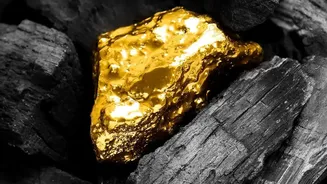
Before comparing, it’s essential to know what 'Karat' (K) means. Karat is the unit used to measure the purity of gold. The scale runs from 0 to 24. Therefore, 24K gold is the purest form you can buy, containing 99.9% gold with no other metals mixed in.
On the other hand, 22K gold consists of 22 parts gold and 2 parts other metals, like copper, silver, or zinc. This means it's made of 91.67% pure gold. This alloy mix isn't a drawback; it’s done for a very specific reason: to enhance the metal's strength. In India, both 22K and 24K are immensely popular, but they serve very different needs.
24K Gold: The Ultimate Choice for Investment
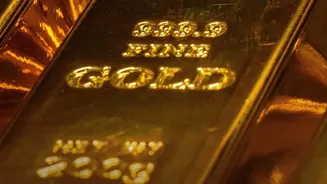
When your primary goal is investment, 24K gold is the undisputed winner. Its value is derived almost entirely from its high purity, making it the standard for gold bars, coins, and other investment-grade bullion. Because it's 99.9% pure, its price most accurately reflects the international market rate for gold. However, this purity comes at the cost of durability. 24K gold is extremely soft and malleable. It is so soft, in fact, that it can be easily scratched or bent, making it impractical for everyday jewellery. For this reason, you'll rarely find intricate ornaments made from 24K gold; it's simply too delicate to hold its shape or secure gemstones reliably.
22K Gold: The Standard for Beautiful Jewellery
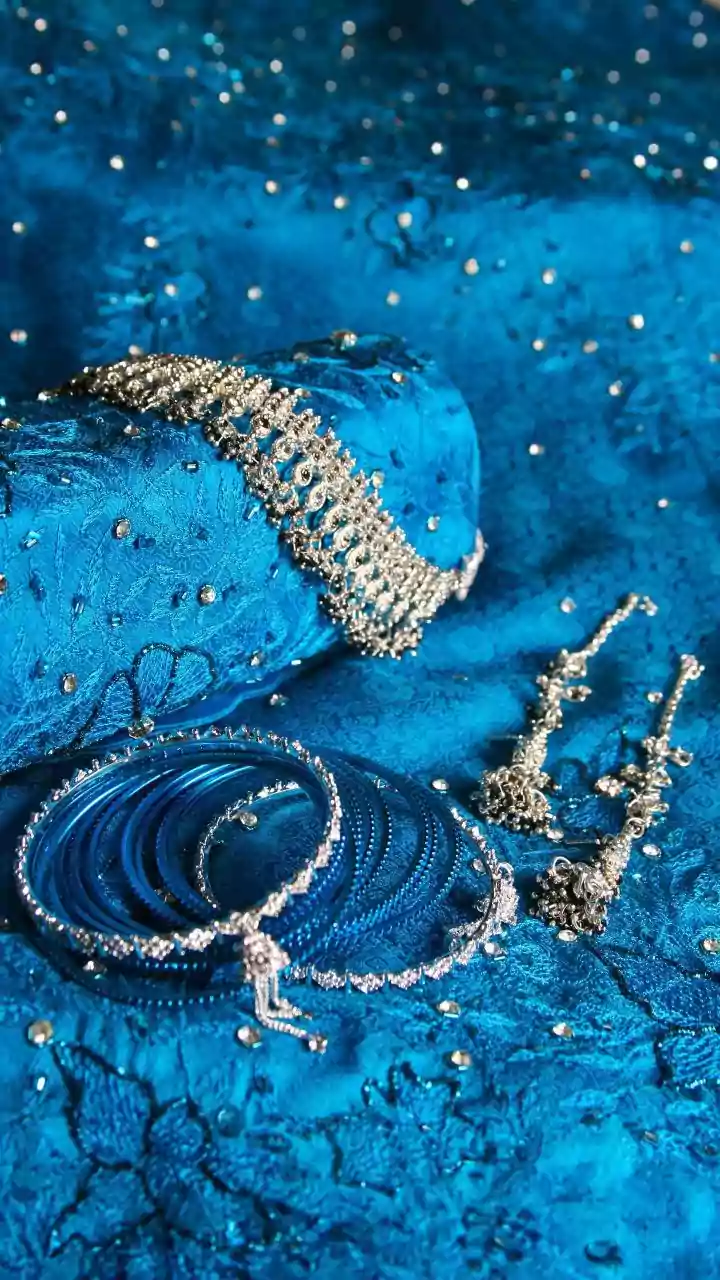
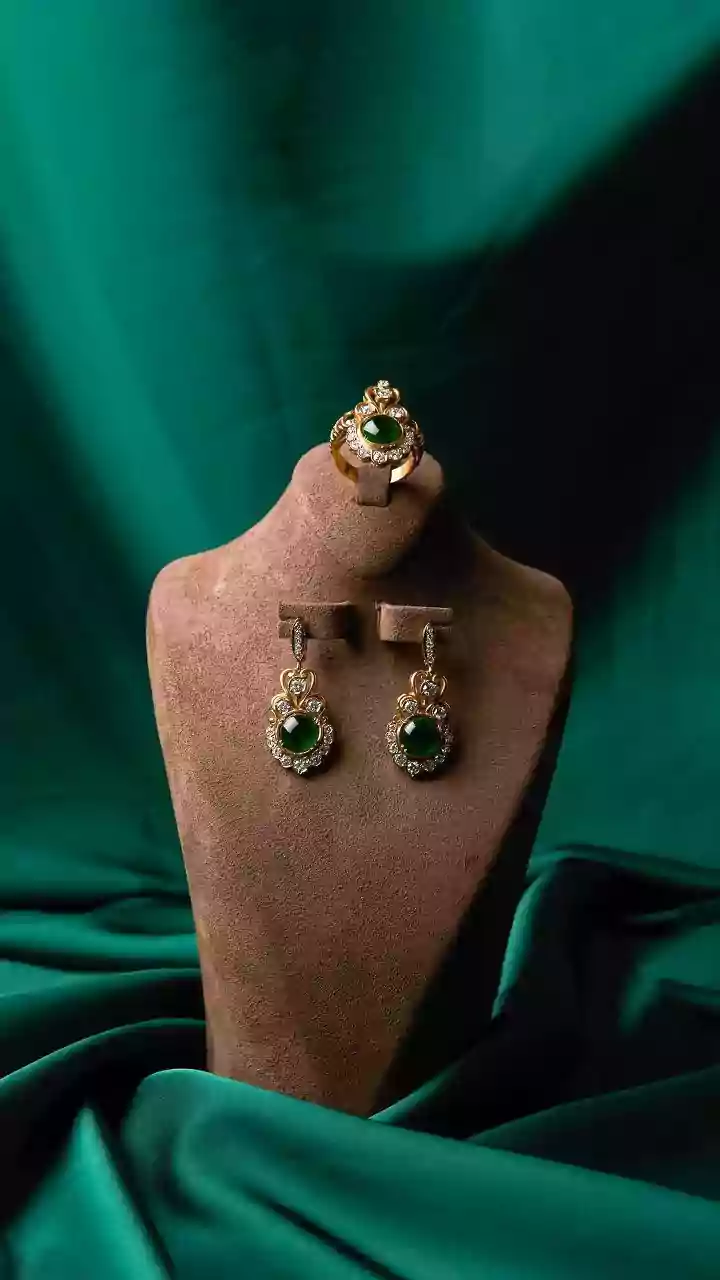
If you're buying gold to wear, 22K is almost always the better choice. The addition of other metals (like copper or silver) makes 22K gold significantly harder and more durable than its 24K counterpart. This strength is crucial for jewellery, especially for items worn daily like rings, bangles, and chains, as it helps them resist scratches, dents, and general wear and tear. This is why most traditional and contemporary Indian jewellery is crafted from 22K gold, often referred to as '916 gold' after its 91.6% purity hallmark. It strikes the perfect balance, offering a high gold content with its rich, warm glow, while being sturdy enough for intricate designs and long-term wear.
Price and Value: What's the Difference?
Naturally, 24K gold is more expensive per gram than 22K gold because it contains more pure gold. The price difference is generally proportional to the purity—22K gold is about 91.6% the price of 24K gold, before other costs are added. However, when buying jewellery, the final price isn't just about the gold's weight and purity. For 22K jewellery, the cost also includes 'making charges,' which cover the craftsmanship and design of the piece. These charges can vary significantly depending on the intricacy of the design. When considering resale, 24K gold in the form of BIS-hallmarked bars or coins typically offers the most straightforward value. Jewellery, while a store of value, will have its resale price affected by the deduction of making charges.
Making the Right Choice: Purpose is Everything
So, which one is better? The answer lies entirely in your reason for buying. Choose 24K Gold if: Your main goal is pure investment. You are buying gold bars or coins to preserve wealth or diversify your portfolio. You prioritise the highest purity and intrinsic value over all else. Choose 22K Gold if: You are buying jewellery for regular wear, special occasions, or as a family heirloom. You need durability to ensure the piece lasts and retains its shape. You appreciate intricate craftsmanship and design in your ornaments. In India, the Bureau of Indian Standards (BIS) hallmarking is mandatory for gold jewellery, which certifies its purity. Always look for the BIS hallmark—typically '916' for 22K and '999' for 24K—to ensure you're getting exactly what you paid for.