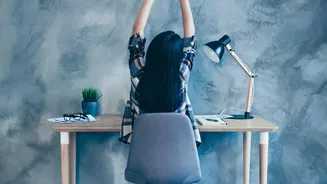





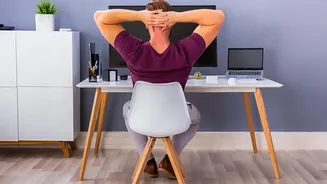

The modern workday can be tough on the body. Hours spent sitting in one position often lead to stiff joints and aching muscles. Fortunately, you can counteract these effects with simple movements that don't even require leaving your workspace.
Why Movement Matters for Joints
Our joints
are designed for motion. Regular movement keeps the cartilage that cushions our bones nourished and healthy. When we sit for prolonged periods, this natural process is hindered. Joint lubrication decreases, supporting muscles can weaken, and stiffness can set in, particularly in the hips, knees, and spine. This sedentary pattern can tighten hip flexors and hamstrings, place undue stress on joints, and contribute to poor posture, which strains the neck and back. Over time, this can even accelerate wear and tear, leading to chronic discomfort. The good news is that incorporating small, consistent movements throughout the day is a powerful way to mitigate these risks.
Neck and Shoulder Savers
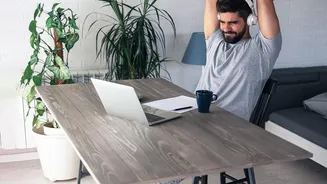
The classic 'tech neck' posture from looking at screens can lead to significant strain. To combat this, practice simple neck rotations and shoulder rolls. Gently tilt your head toward your left shoulder, hold for a few seconds, and then repeat on the right. Do this a few times to ease tightness. Next, perform shoulder shrugs by lifting your shoulders up toward your ears, holding for a moment, and then letting them drop and relax. Follow this with shoulder rolls: lift your shoulders up, roll them backward and down in a circular motion, and then reverse the direction. These small actions help release built-up tension in the upper body.
Mobilise Your Spine in Your Chair
A stiff spine is a common complaint for desk workers. A seated spinal twist can offer immediate relief. Sit upright with your feet flat on the floor. Gently twist your upper body to the left, using your chair's armrest for a light stretch if needed, but without moving your hips. Hold for five to ten seconds and then repeat on the right side. You can also try a seated 'cat-cow' stretch. Place your hands on your knees. As you inhale, arch your back and look up toward the ceiling. As you exhale, round your spine and tuck your chin to your chest. Repeating this flow helps maintain flexibility in your upper and lower back.
Open Up Your Hips
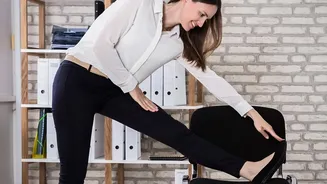
Sitting locks your hips in a flexed position for hours, which can lead to tightness and lower back pain. A seated 'figure-four' stretch is an excellent countermeasure. While seated, cross your right ankle over your left thigh, just above the knee. Sit tall and, if you need a deeper stretch, gently press down on your right knee or lean forward from your hips while keeping your back straight. Hold for 15 to 30 seconds, breathing steadily, before switching to the other side. Another simple move is seated hip marching. While sitting upright, lift your left leg with the knee bent as far as is comfortable, then lower it with control and repeat with the right leg.
Wrist and Ankle Articulation
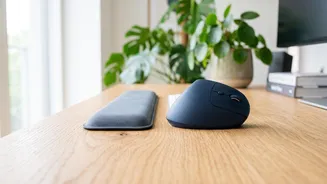
Don't forget the smaller joints. Constant typing and mouse use can strain your wrists and forearms. Extend one arm out and gently bend your wrist up, using your other hand to pull the fingers back slightly. Hold for 15 seconds, then bend the wrist down and hold again. Repeat on the other arm. For your ankles, which can get stiff and are prone to poor circulation when sitting, simple flexes and circles work wonders. Extend one leg and point your toes away from you, then flex them back toward you. Repeat this several times, then rotate your ankle in clockwise and counter-clockwise circles. These movements support stability and can even help lower the risk of blood clots.
The Power of Micro-Breaks
Perhaps the most crucial habit is to simply change your position frequently. The cumulative effect of standing up for just one or two minutes every hour can have a bigger impact than a single exercise session. Set a timer to remind yourself to stand up, stretch, or take a short walk to the water cooler and back. Consider taking phone calls while standing or walking. Research shows that these small bursts of activity not only help with physical discomfort but can also improve mood, attention, and productivity. The goal is to break the long, static periods of sitting. Consistency matters more than intensity.