


Every monsoon, images of waterlogged streets and flooded homes dominate the news from India's cities. While we often blame overwhelmed drains, the real problem may be the disappearance of a powerful, natural ally: the urban wetland.
The Concrete Problem
As our cities have
grown, they have become vast expanses of impermeable surfaces. Concrete and asphalt roads, paved footpaths, and building foundations prevent rainwater from seeping naturally into the ground. During a heavy monsoon shower, this creates a massive volume of storm runoff that has nowhere to go. Traditional drainage systems, many of which are old, under-maintained, or blocked, are quickly overwhelmed. The result is predictable: flash floods that bring cities to a halt, cause immense property damage, disrupt livelihoods, and pose serious public health risks from waterborne diseases. This cycle of urban flooding is not just an inconvenience; it's a systemic failure of design that ignores the role of natural landscapes.
Nature’s Sponges at Work
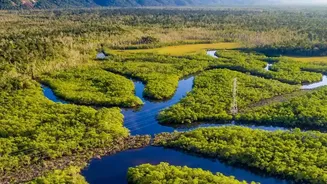
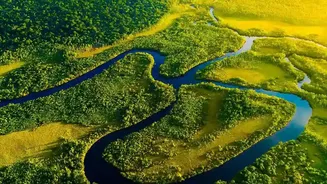
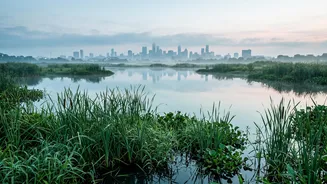
This is where wetlands come in. Often dismissed as 'wastelands', urban wetlands like marshes, lakes, and floodplains are, in fact, highly efficient, living infrastructure. They function like giant natural sponges. When heavy rain falls, they absorb and store vast quantities of excess water, slowing its flow and reducing the immediate peak load on man-made drains. The vegetation in wetlands, from grasses to aquatic plants, further slows the water's velocity, allowing it to be gradually released over hours or days instead of all at once. This simple mechanism of water retention and slow release drastically reduces the risk and severity of downstream flooding.
A Tale of Two Cities
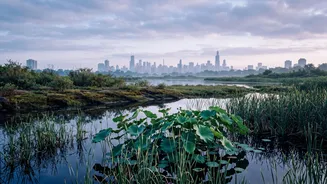
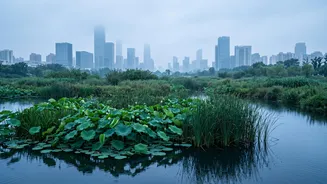
The contrast between cities that have lost their wetlands and those that have preserved them is stark. Chennai, for example, has lost a significant portion of its wetlands to urban expansion. The Pallikaranai Marsh, which acts as the city’s primary flood shield, has shrunk dramatically due to encroachment and pollution. This loss is directly linked to the increased frequency and intensity of floods in areas like Velachery and Perungudi. Conversely, the East Kolkata Wetlands, a 12,500-hectare Ramsar site, serve as a vital flood buffer for Kolkata. This vast network of water bodies absorbs excess monsoon runoff, protecting the city while also naturally treating a significant portion of its sewage and supporting the livelihoods of thousands through fisheries. It is a powerful example of a 'nature-based solution' in action.
More Than Just Flood Control
The benefits of urban wetlands extend far beyond managing monsoons. They act as 'nature's kidneys', filtering pollutants, industrial effluents, and sewage from the water, thus improving its quality. They are critical for recharging groundwater aquifers, a vital service for our increasingly water-scarce cities. Furthermore, wetlands are hotspots of biodiversity, providing habitats for countless species of plants, birds, fish, and insects. They also offer crucial social and economic benefits, serving as green recreational spaces, moderating the urban heat island effect, and supporting local economies through fishing and tourism.
Reclaiming Our Blue Green Assets
Despite their immense value , India 's urban wetlands are under severe threat from encroachment , pollution , and administrative neglect . Protecting them requires a fundamental shift in perspective : seeing them not as obstacles to development but as core components of resilient urban infrastructure . Policies like the National Plan for Conservation of Aquatic Ecosystems (NPCA) provide a framework , but effective change requires strong local governance . This means enforcing zoning laws to prevent encroachment , investing in desilting and rejuvenation projects to restore their storage capacity , stopping the flow of untreated waste , and integrating these natural assets into city planning . Community participation is also key , as informed citizens can become the most powerful guardians of these vital ecosystems .