








The Science Behind the Trend
The shift towards functional greenery is a direct response to the 'urban heat island' effect, where concrete and asphalt absorb and retain far more heat than natural landscapes. This makes city apartments and terraces significantly warmer. Plants counter
this through a process called evapotranspiration. They release water vapour from their leaves, which draws heat from the surrounding air, creating a natural cooling effect. A collection of plants can act as a natural, low-energy alternative to running the air conditioner, subtly lowering ambient temperatures and improving air quality.
Areca Palm: The Tropical Humidifier
Often found in living rooms for its lush, tropical vibe, the Areca Palm is more than just a pretty face. It has a high transpiration rate, meaning it actively releases moisture into the air, which can make a room feel cooler and more comfortable. These palms are excellent at filtering common air pollutants, enhancing the overall air quality in your home. For the best results, place them in areas with bright, indirect sunlight and water moderately. Their dense fronds also provide a degree of natural shading.
Snake Plant: The Bedroom Champion
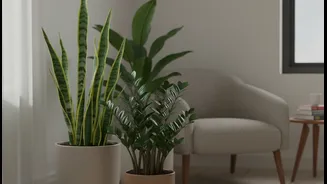
The Snake Plant is a favourite for its hardiness and modern look, but its cooling benefits are what make it a functional star. Unlike most plants, it releases oxygen at night, which can lead to a fresher, more breathable atmosphere in the bedroom while you sleep. It's also exceptionally low-maintenance, requiring minimal water and tolerating a range of light conditions. While its direct cooling effect from transpiration is modest, its ability to purify the air and thrive with little care makes it an essential part of a cooling plant arsenal.
Money Plant (Pothos): The Easy Climber
The ubiquitous Money Plant, or Pothos, is a popular choice in Indian homes for good reason. It’s incredibly easy to grow and its fast-growing vines can be trained to create a 'green curtain' over a sunny window or balcony railing. This living screen physically blocks direct sunlight, reducing the heat that enters your home. Furthermore, the plant is an effective air purifier and its broad leaves contribute to the cooling process through transpiration. It's a beginner-friendly option that offers both aesthetic and functional rewards.
Ferns: The Moisture Boosters
Ferns, particularly varieties like the Boston Fern, are renowned for being natural humidifiers. They release a significant amount of moisture into the air, which is especially effective at making dry, hot environments feel more refreshing. Their lush, delicate fronds create a visually cooling effect and help trap dust particles. Ferns thrive in partial shade and appreciate regular misting, making them ideal for bathrooms or shaded balcony corners where they can create a cool, green oasis.
Aloe Vera: The Soothing Cooler
Known for its medicinal properties, Aloe Vera is also a fantastic cooling plant. Its leaves have a high water content, and like other succulents, it releases oxygen at night. The plant absorbs carbon dioxide and helps keep the air clean and cool. While its transpiration rate may be lower than leafy plants, its ability to thrive in warm, sunny spots makes it a practical choice for a bright windowsill. Plus, the gel inside its leaves provides a natural remedy for sunburn.
Maximising Your Green Air Conditioner
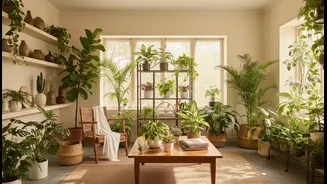
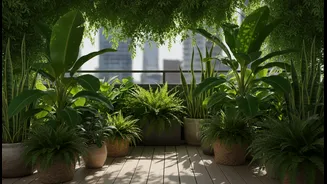
To get the most out of your cooling plants, strategy is key. Grouping several plants together creates a microclimate with higher humidity, amplifying their collective cooling power. Placing taller, leafy plants like Areca Palms or Rubber Plants near sun-facing windows can provide natural shade and block heat. Using climbers like the Money Plant to cover walls or create green screens is another effective method to prevent surfaces from heating up. By combining different types of plants, you can create a more resilient and effective natural cooling system for your home.