




The Golden Spice: Turmeric (Haldi)
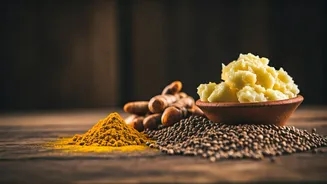
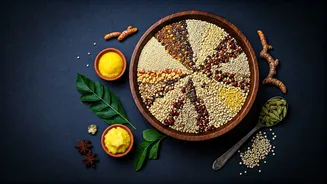
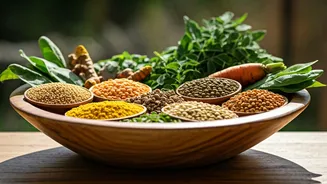
For generations, turmeric has been the star of the Indian masala dabba, celebrated for its vibrant colour and healing properties. Traditionally used in everything from curries to antiseptic pastes for wounds, its power was always understood. Today, science
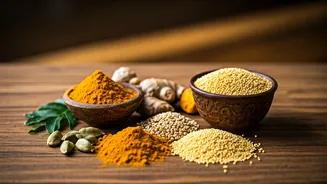
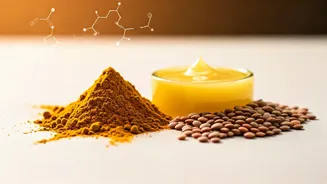
has pinpointed the source of its magic: curcumin. This active compound is a potent anti-inflammatory agent, which research suggests can help manage conditions linked to chronic inflammation. Studies have shown curcumin’s potential in supporting joint health, aiding digestion, and acting as a powerful antioxidant that helps fight cellular damage. While a pinch in your dal is great, remember that curcumin is better absorbed by the body when consumed with black pepper (which contains piperine) and a healthy fat, a combination often naturally found in our cooking.
Liquid Gold: Ghee
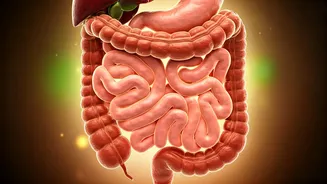
Ghee has faced a rollercoaster of public opinion, once wrongly vilified as an unhealthy fat. Thankfully, we are returning to our roots and embracing it once more. Traditional Ayurvedic texts praise ghee for its nourishing and healing qualities, and modern nutrition is beginning to agree. Unlike refined oils, pure ghee has a high smoke point, making it stable for high-heat Indian cooking without breaking down into harmful free radicals. It is rich in fat-soluble vitamins like A, E, and D. More importantly, it contains butyric acid, a short-chain fatty acid that is crucial for gut health. This acid serves as a primary energy source for the cells lining our colon, helping to maintain the integrity of the gut wall. It’s not about drenching your food in it, but a dollop of high-quality ghee on your roti or rice can be a delicious and beneficial part of a balanced diet.
The Humble Powerhouse: Lentils (Dal)
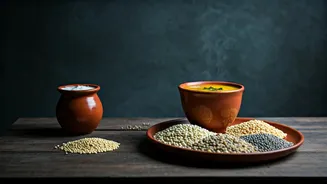
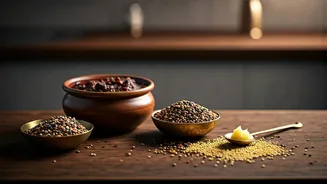
A comforting bowl of dal is the cornerstone of countless Indian meals, and for good reason. It’s more than just a simple staple; it’s a nutritional powerhouse. Lentils are an excellent source of plant-based protein, making them essential in a predominantly vegetarian diet. They are also packed with dietary fibre, both soluble and insoluble. Soluble fibre helps lower cholesterol and stabilise blood sugar levels, making it beneficial for heart health and managing diabetes. Insoluble fibre aids digestion and promotes regularity. Furthermore, dals are rich in essential micronutrients like folate, iron, and magnesium, which are vital for energy production and overall well-being. The simple act of eating dal every day is a step towards a healthier heart and a more balanced diet.
The Flavour Duo: Ginger and Garlic
No Indian tadka is complete without the aromatic sizzle of ginger and garlic. This dynamic duo does more than just add incredible flavour; it brings a host of health benefits. Ginger is renowned for its ability to soothe nausea and aid digestion. Its active compound, gingerol, has powerful anti-inflammatory and antioxidant effects. It’s the reason a warm cup of adrak chai feels so comforting when you have a cold. Garlic, on the other hand, contains allicin, a compound released when it is crushed or chopped. Allicin is known for its immune-boosting properties and has been studied for its potential to help lower blood pressure and cholesterol levels. Together, they form a flavourful first line of defence, making our food not just tasty but also medicinal.
Gut-Friendly Goodness: Fermented Foods
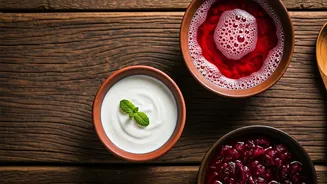
From the cool, soothing dahi of the north to the fluffy idlis and dosas of the south, fermented foods are an integral part of our culinary landscape. The traditional process of fermentation isn't just for preservation or taste; it’s a way of enriching food with probiotics. These are beneficial live bacteria that support a healthy gut microbiome. A thriving gut microbiome is linked to improved digestion, a stronger immune system, and even better mental health. The fermentation process also makes nutrients more bioavailable, meaning our bodies can absorb them more easily. So, that daily bowl of curd or a breakfast of idli is actively contributing to the health of the trillions of tiny organisms in your gut that work to keep you healthy.