





For a Dish That Dazzles
When you're crafting a showstopper like biryani or pulao, the grain's structure is paramount. You need long, separate grains that absorb flavour without turning to mush. Aged, long-grain basmati rice is the undisputed champion here. As it ages, basmati loses
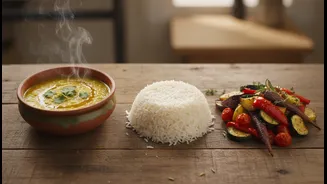
surface moisture, which helps the grains remain distinct and fluffy after cooking. For a pulao, you want the rice to have structural integrity and absorb the spiced stock perfectly. Khichdi, on the other hand, requires the opposite. For that soul-soothing, unified texture, a short-grain rice like Gobindobhog or a medium-grain like Sona Masoori is ideal. These varieties have a higher starch content, allowing them to break down slightly and merge beautifully with the dal.
For the Health-Conscious Household
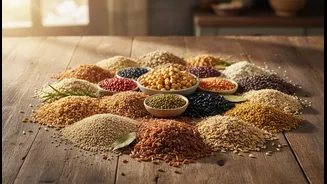
As more households prioritise nutrition, ancient grains are making a comeback. Millets such as ragi (finger millet), jowar (sorghum), and bajra (pearl millet) are nutritional powerhouses. They are naturally rich in fibre, protein, and essential minerals like iron and calcium. Ragi, for instance, is celebrated for its high calcium content, while jowar and bajra are lauded for their impressive fibre, which aids digestion and promotes a feeling of fullness. Unlike refined white rice, these whole grains have a lower glycemic index, providing sustained energy without sharp blood sugar spikes, making them an excellent choice for managing diabetes and overall wellness. Incorporating a variety of millets into your diet, perhaps by swapping one wheat roti for a bajra or jowar roti, can significantly boost your meal's nutritional profile.
When Speed is Everything
On busy weeknights, you need grains that cook quickly without sacrificing satisfaction. While some millets require soaking, others like foxtail millet can cook almost as quickly as white rice, making them great for a fast pulao or upma. Quinoa, a pseudo-grain, is another fantastic option; it's packed with protein and cooks in about 15 minutes. Of course, standard white rice remains a go-to for its speedy cooking time. For the quickest results with whole grains, bulgur wheat is a star. Since it's already been steamed and cracked, it just needs to be soaked in hot water for 10-15 minutes, making it an incredibly fast and nutritious base for any meal.
Mastering Your Cooking Method
The appliance you use dramatically changes the texture of the final dish. A pressure cooker is a champion of speed and nutrient retention, especially for tough grains and legumes. The high pressure and steam cook food faster and at a higher temperature, which can be ideal for breaking down whole grains efficiently. However, this method offers less control. For delicate, aromatic grains like basmati, the stovetop method is often preferred because it allows you to fine-tune moisture and heat, ensuring the grains bloom perfectly without becoming overcooked. A rice cooker offers a convenient middle ground, providing consistent results with minimal effort, particularly for millets and rice. For millets, many cooks toast them briefly before adding water, whether in a pot or pressure cooker, to enhance their nutty flavour.
Feeding the Whole Family
A household with different age groups has varying nutritional needs. For young children and elders, soft, easily digestible grains are key. A simple khichdi made with white rice and moong dal is gentle on the stomach. Ragi porridge is another excellent choice, providing ample calcium for growing bones and being easy to consume. For active adults, high-fibre grains like barley, jowar, and bajra provide sustained energy and support gut health. The beauty of Indian cooking is its adaptability. You can make a multi-grain atta by mixing whole wheat with jowar or ragi flour, ensuring everyone in the family gets a wider range of nutrients in their daily rotis.