



The Monsoon Kitchen Challenge
The magic of the monsoon is often accompanied by a less-than-magical problem: food spoilage. The spike in humidity, often reaching 80-90%, creates the perfect breeding ground for mould and bacteria. This means items that stay fresh for weeks in other
seasons can spoil in days, or even hours. Dry goods like spices and biscuits can become soggy, while fresh produce is more susceptible to rot. The key is not to fight the weather but to adapt your kitchen practices to work with it, ensuring your food remains safe and delicious.
Choosing Your Ingredients Wisely
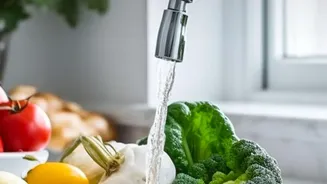
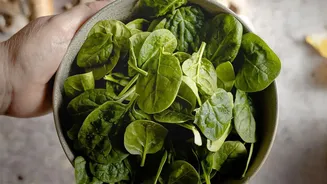
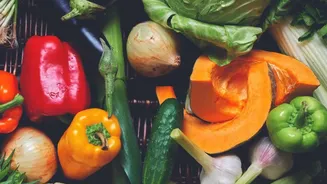
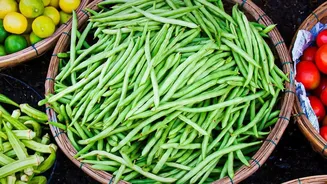
A smart monsoon kitchen starts with smart shopping. Favour seasonal vegetables that are naturally hardier, such as bottle gourd (lauki), bitter gourd (karela), and pointed gourd (parwal). When buying produce, look for items that are firm and free of bruises. Be extra cautious with leafy green vegetables, which can trap dirt and microbes; they should be washed thoroughly in salt water and cooked well rather than eaten raw. It's also a good idea to buy produce in smaller batches more frequently, instead of stocking up for the week. For fruits, opt for those with thick peels like bananas, pomegranates, and pears.
The Art of Prepping Ahead
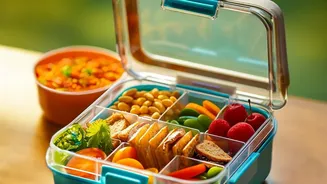
Meal prepping during the monsoon can be a huge time-saver, provided you focus on the right things. Instead of prepping entire meals that might spoil, focus on creating building blocks. A basic onion-tomato masala or curry base can be cooked in a large batch and refrigerated for several days, ready to be used for various dishes. Pre-soaking and freezing lentils and beans is another great hack. You can also dry-roast semolina (sooji) and store it in an airtight container to prevent pests and clumping, making quick upma breakfasts a breeze. Ginger-garlic paste can also be prepared and stored, saving you a crucial step in daily cooking.
Smart Cooking Techniques for Longevity
How you cook can significantly impact how long your food lasts. During the monsoon, favour cooking methods that reduce moisture content. Steamed or lightly cooked vegetables are better than raw salads, which carry a higher risk of contamination. Incorporating natural preservatives and immunity-boosters like turmeric, ginger, garlic, and pepper into your cooking is also beneficial. When you do make classic monsoon snacks like pakoras, consider using an air-fryer for a lighter, healthier version. Always opt for freshly cooked meals when possible, and if you have leftovers, cool them quickly and refrigerate them immediately to prevent bacterial growth.
Storage 101: Your Best Defence
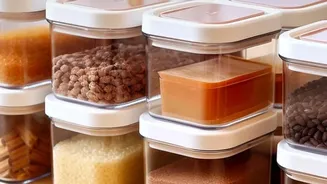
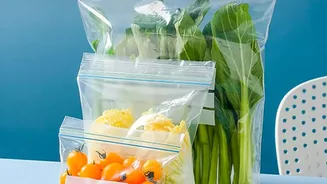
Proper storage is your most powerful tool against monsoon humidity. Invest in high-quality airtight containers, preferably made of glass, as they don't retain odours and provide a better seal. Transfer all dry goods—flour, rice, lentils, spices, and biscuits—from their original packets into these containers immediately. For extra protection, you can place a bay leaf or some dried neem leaves in your grain and flour containers to naturally repel pests. Clean your refrigerator regularly and ensure it's set to a cool temperature. Store vegetables in breathable bags and always dry them completely after washing before placing them in the fridge.
Dishes That Endure
While fresh is best, some dishes hold up better than others as leftovers. Khichdi, made from rice and lentils, is not only the ultimate comfort food but also stores and reheats well. It's light on the stomach, which is ideal as digestion can be sluggish during this season. Dry vegetable preparations (subzis) without a lot of gravy tend to last longer than curries. Dals and soups also fare well; just be sure to bring them to a rolling boil when reheating to kill any potential bacteria. By focusing on these types of meals, you can enjoy home-cooked food without having to cook from scratch every single time.