



The Illusion of Defying Gravity
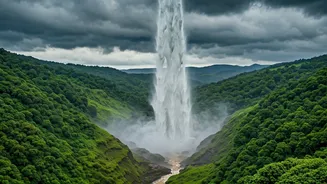
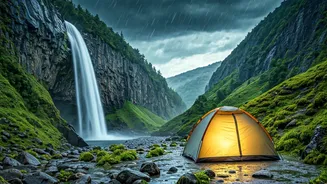
Imagine standing on a cliff edge during a heavy downpour. Below you, a stream of water rushes over the precipice, but instead of plummeting into the valley, it sprays upwards, back towards the sky in a magnificent, misty plume. This isn't a special effect
from a fantasy film; it's a very real and increasingly famous phenomenon known as a 'reverse waterfall'. Every year during the peak of the monsoon, trekkers and nature lovers flock to specific spots, primarily in Maharashtra's Sahyadri mountain range (part of the Western Ghats), to witness this surreal display. The water appears to defy gravity, creating a mesmerising, almost hypnotic dance that has become a viral sensation across social media platforms. It challenges our basic understanding of the natural world and offers a powerful reminder that nature is full of surprises.
The Science Behind the Spectacle
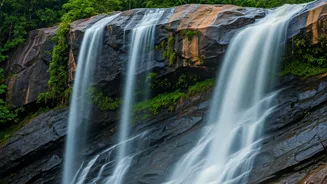
So, how does this happen? Is gravity temporarily suspended? The explanation is less about magic and more about a perfect confluence of meteorology and topography. Reverse waterfalls are not technically waterfalls in reverse, but rather an optical and physical marvel created by incredibly powerful winds. During the monsoon season, the Western Ghats are battered by high-velocity winds sweeping in from the Arabian Sea. When these winds encounter the steep, vertical cliffs of the ghats, they have nowhere to go but up. This creates a forceful updraft along the cliff face. When a stream or waterfall flows over the edge, this powerful updraft is strong enough to catch the water droplets and thrust them back upwards and inwards, atomising them into a fine, dense mist that billows into the air. The stronger the wind and the more perpendicular the cliff, the more dramatic the effect.
Where to Witness This Wonder
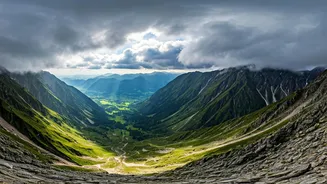
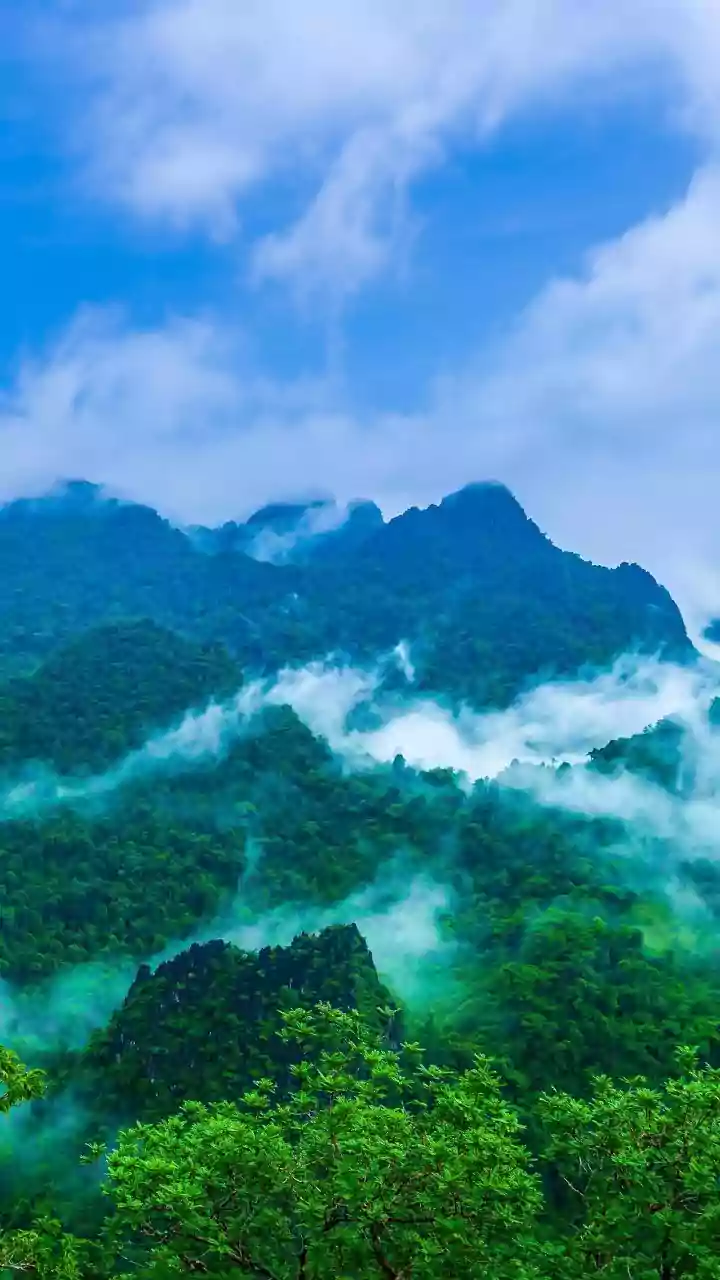
While this phenomenon can occur in specific conditions worldwide, India's Western Ghats are a global hotspot. The most famous location to experience a reverse waterfall is at Naneghat, a historic mountain pass near Junnar in the Pune district. Its unique geography makes it a prime spot for this event. Other popular locations in Maharashtra include Visapur Fort, Malshej Ghat, Samrad village near the Sandhan Valley, and various points along the road to Bhimashankar. These spots become pilgrimage sites for thrill-seekers between July and September, when the monsoon is at its fiercest. The combination of lush green landscapes, dense fog, and the astonishing sight of water flowing skyward makes for an unforgettable trekking experience.
A Social Media Sensation
The term 'trend' in the headline is no exaggeration. While locals have known about these reverse waterfalls for generations, the rise of smartphones and social media has catapulted them to national fame. Every year, Instagram Reels, YouTube Shorts, and X (formerly Twitter) are flooded with incredible videos of people leaning into the wind, their hair and clothes blown back, as misty water sprays up from below. This digital fame has turned these once-quiet trekking routes into bustling tourist attractions during the monsoon. It's a double-edged sword: while it brings attention to India's natural beauty, it also brings challenges of overcrowding and the need for responsible tourism to preserve these delicate ecosystems.
Planning Your Visit Safely
If you're inspired to see this phenomenon for yourself, planning is crucial. The conditions that create reverse waterfalls—heavy rain and gale-force winds—are also inherently dangerous. These areas are often slippery, foggy, and prone to landslides. Always check the weather forecast and local advisories before heading out. It's best to go with an experienced guide or group. Wear appropriate gear, including sturdy, waterproof hiking shoes with good grip and a reliable raincoat. Be extremely cautious near cliff edges, as the wind can be strong enough to knock a person off balance. The goal is to witness the magic of nature, not to become a victim of its power. A prepared and respectful visitor gets to enjoy the wonder without contributing to the risks.