




What is a Shared Equipment Bank?
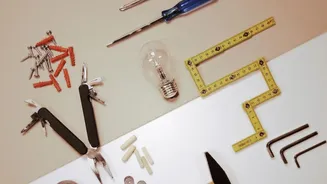
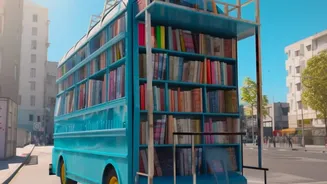
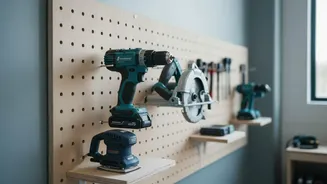
Think of it as a 'library for things'. A shared equipment bank, or 'Library of Things', is a collection of items that residents in a housing society can borrow and use. Instead of every flat owning its own set of tools, appliances, and occasional-use
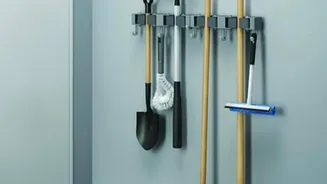
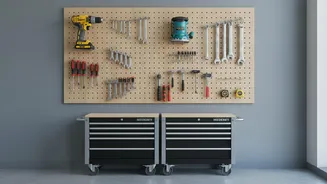
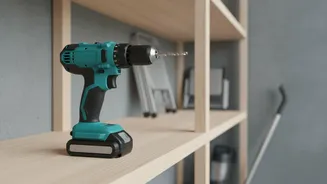
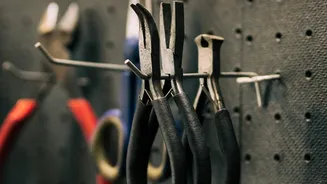
items, the community pools its resources. This can include everything from power drills, ladders, and cleaning equipment to camping gear, extra chairs for parties, or even musical instruments. The core idea is simple: shift from individual ownership to collective access. It’s a practical application of the sharing economy, tailored for the unique environment of a residential complex.
The Problem with Single-Use Ownership
In our consumer-driven culture, it’s common to buy an item for a single, specific task. An average urban Indian generates up to 600 grams of solid waste daily, and a significant portion comes from discarded household goods. Many of these items are used only a handful of times before they are relegated to a storeroom or thrown away, contributing to overflowing landfills. This model of individual consumption is not just wasteful but also expensive and inefficient. It forces residents to spend money on things they hardly need and sacrifice precious storage space in already compact urban apartments. This pattern of hyper-consumption is what shared equipment banks aim to disrupt.
How It Works in Practice
The operational model for an equipment bank can be simple or tech-driven. Typically, the society’s Resident Welfare Association (RWA) or a group of volunteer residents manages the initiative. Items are stored in a common, secure area like a clubhouse room or a designated storage unit. The process usually involves a few key steps: a nominal membership fee might be collected to cover maintenance, residents can browse available items through a simple register or a dedicated society app, and a check-out/check-in system tracks who has borrowed what. Rules are established for borrowing periods and ensuring items are returned in good condition, making the system fair and sustainable for everyone.
The Benefits Go Beyond Waste Reduction
While cutting waste is a primary advantage, the benefits of a shared equipment bank are far-reaching. Firstly, it offers significant financial savings for residents, who no longer need to buy expensive items for infrequent use. Secondly, it frees up valuable space within apartments. Most importantly, it fosters a strong sense of community. Sharing resources encourages interaction and mutual support among neighbours, transforming a collection of flats into a cohesive community. It builds trust and creates a collaborative environment, which is the cornerstone of successful community living. This system embodies the 'Reduce, Reuse, Recycle' principle in a tangible way.
Starting an Equipment Bank in Your Society
Launching a shared equipment bank is a manageable project for any motivated housing society. The first step is to gauge interest among residents through a survey. Next, the RWA can form a small committee to lead the project. Start small by asking for donations of gently used, functional items that residents are willing to share, such as tools, ladders, or foldable furniture. Create a simple inventory and a borrowing log. A designated space needs to be identified for storage. As the initiative grows, the committee can consider using maintenance funds or a small member fee to purchase new, high-demand items and set up a digital booking system through a society management app for greater convenience.