
For generations, the aroma of puran poli sizzling on a tawa or the sight of perfectly steamed modaks signalled festive times in Maharashtra. But in 2026, these beloved traditions are no longer confined to their home state.
Beyond Vada Pav and Misal
For years, Maharashtra's culinary
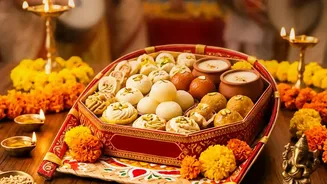
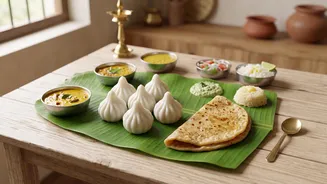
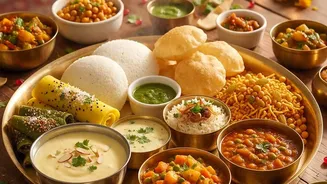
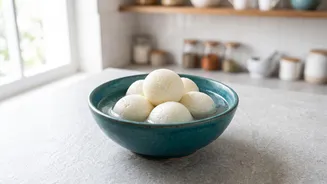
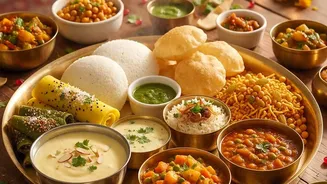
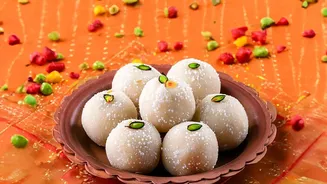
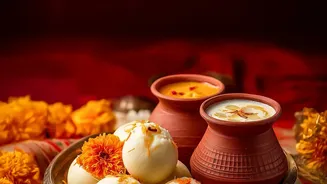
ambassadors to the rest of India were its robust street foods. Vada pav, pav bhaji, and misal pav became staples in cities far from Mumbai and Pune. While delicious, these snacks only told part of the story. The state's festive food—deeply linked to occasions like Ganesh Chaturthi, Gudi Padwa, and Diwali—remained a more private, home-cooked affair. Dishes like puran poli, a soft flatbread filled with sweet lentil and jaggery, and ukdiche modak, delicate steamed rice-flour dumplings with a coconut-jaggery stuffing, were specialties shared within the community. Now, these complex, celebratory dishes are stepping into the national spotlight, moving from home kitchens to menus across the country.
The Great Culinary Migration
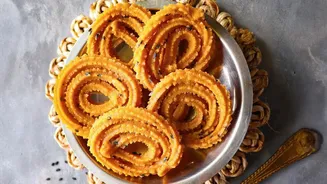
One of the biggest drivers of this trend is internal migration. As professionals from Maharashtra have moved to major economic hubs like Bengaluru, Gurugram, Hyderabad, and Delhi for work, they've brought their cultural traditions with them. This growing diaspora created a distinct, untapped demand for authentic festive food that tastes like home. During festivals, the longing for familiar comforts becomes especially strong. This isn't just about food; it's about recreating a piece of home and cultural identity in a new city. The demand for specific, hard-to-make items like Diwali faral (a collection of sweet and savoury snacks) or Holi's iconic puran poli surged, creating a market waiting to be served.
The Rise of the Cloud Kitchen
This demand has been met by a new wave of food entrepreneurs, particularly home chefs and cloud kitchens. Platforms like Swiggy and Zomato have made it possible for small, specialised kitchens to reach a wide audience without the overheads of a traditional restaurant. In cities like Bengaluru, cloud kitchens catering specifically to Maharashtrian cuisine have emerged, finding a ready customer base. These kitchens, often run by Maharashtrians themselves, pride themselves on authenticity. They are able to produce labour-intensive festive dishes that most working professionals don't have the time to prepare, effectively delivering 'nostalgia as a service'. This model has proven particularly successful for daily tiffin services and for festival-specific bulk orders.
A Feast for the Eyes on Social Media
The visual nature of social media has been a powerful catalyst. A perfectly pleated modak or a glistening, ghee_laden puran poli is incredibly photogenic, making for popular content on Instagram and food blogs. Food influencers and bloggers have been instrumental in showcasing the richness of regional Indian cuisines, moving beyond generic curries. When a non_Maharashtrian sees a reel of someone enjoying a festive meal, it sparks curiosity. This digital exposure demystifies the food and creates a desire to try it, broadening the audience beyond the diaspora. Hashtags related to regional foods help users discover new dishes, and video tutorials make even complex recipes seem approachable.
A More Curious Indian Palate
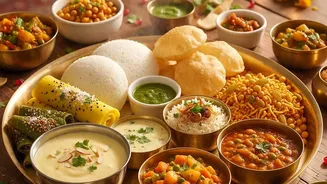
Finally, this trend is part of a larger shift in India's food culture. There is a growing, pan_Indian curiosity about regional cuisines. Diners are more adventurous, eager to explore the country's diverse culinary landscape. Food festivals, restaurant pop_ups, and curated thalis featuring regional specialties are becoming increasingly common. Maharashtrian cuisine, with its unique blend of sweet, spicy, and savoury flavours, offers a new and exciting experience. Festive foods serve as the perfect gateway. They are not just meals but cultural experiences, telling a story of a region, its harvest, and its people, making them an irresistible draw for the modern Indian foodie.