







The Rise of the Digital Muse
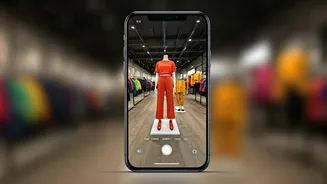
The primary runway for young Indians is no longer a physical ramp, but the endlessly scrolling feed of their phone. Platforms like Instagram Reels are now the single most powerful force in fashion discovery. A staggering 97% of internet users in India find
fashion brands on Meta's platforms, with 52% specifically citing Reels as a major source of inspiration. This has fundamentally shifted the power dynamic. Inspiration no longer flows from a handful of elite designers to the masses; it explodes from creator-led content, turning personal style into global trends in mere hours. For Generation Z, which now accounts for nearly half of all fashion spending in India, social media isn't just for connection; it's the store, the catalogue, and the style guide all in one.
The Psychology of a 'Copied' Look
To an older generation, 'copying' might seem like a failure of imagination, but for young shoppers, it's a form of connection and identity-building. Psychologically, humans are hardwired to mimic those they admire or wish to belong with. On social media, where influencers are seen as relatable peers, imitating their style is a way to feel closer to them and participate in a shared trend. It's less about a lack of originality and more about seeking validation and belonging within a digital community. This behaviour is amplified by the fear of missing out (FOMO) and the instant gratification of likes and comments that reinforce imitative choices. When a look goes viral, participating is a way of saying, "I'm part of this conversation."
The 'Dupe' Economy
This desire for replicable looks is supercharged by the 'dupe culture' that has taken deep root, especially in India's tier-2 cities. A 'dupe' isn't a counterfeit; it's a product that mimics the aesthetic of a high-end item, sold at a fraction of the price, and consumers are fully aware of what they're buying. Driven by budget-consciousness and a focus on deliberate spending, young shoppers see dupes as a way to democratise fashion. They reject the notion that style should be limited by wealth. Fast fashion brands and e-commerce giants have become masters at this, often preparing to replicate runway looks before the shows have even ended, making trendy items accessible and affordable almost instantly.
How Brands are Adapting
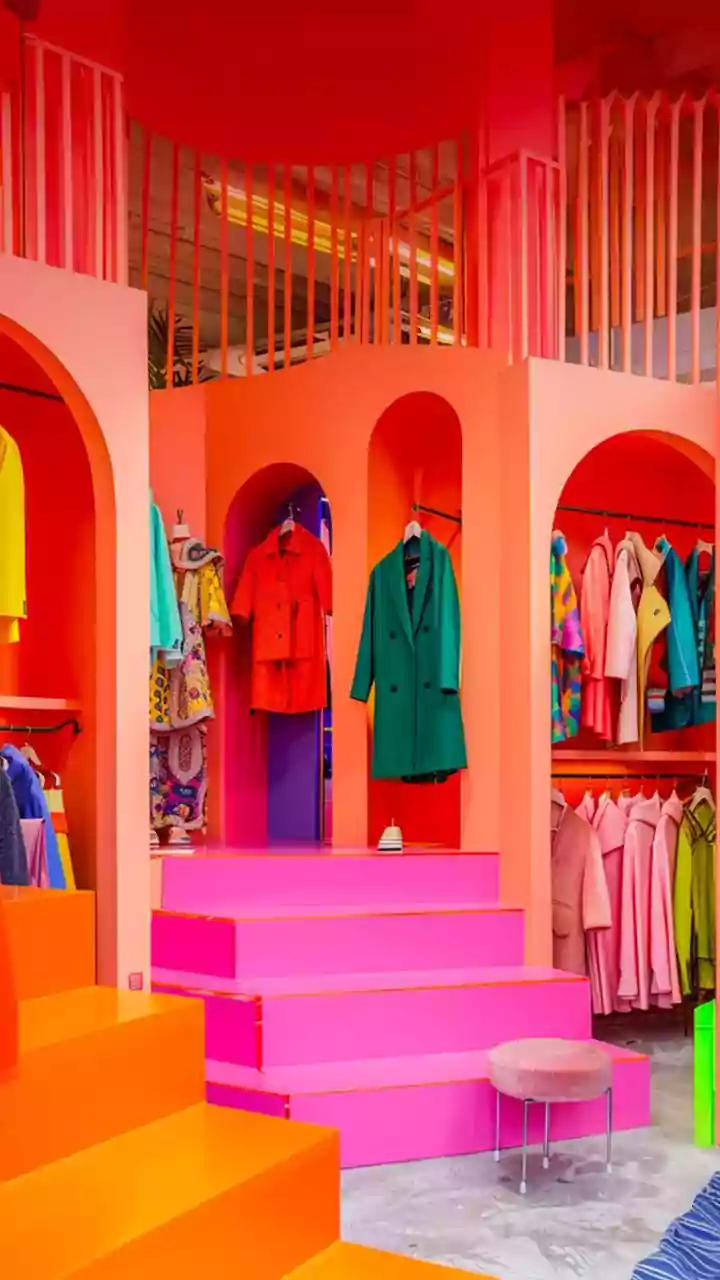
The smart brands are not fighting this trend; they are leaning into it. The journey from discovery to purchase has been compressed into a single scroll. Companies like Flipkart have seen creator-led commerce sales grow threefold in a single year, recognising that authentic content from real people drives trust more than polished ads. The focus has shifted to creator collaborations, shoppable videos, and quick commerce to meet demand. Brands are now building communities instead of just campaigns, encouraging user-generated content and treating their stores as backdrops for shareable social media moments. The message is clear: to win over the young Indian shopper, brands must be authentic, accessible, and an integrated part of their digital lives.